The Big Five are lion, leopard, elephant, buffalo and rhino, and northern Tanzania offers all five within a compact circuit. Most are fairly easy to find, but leopard and rhino take patience and local knowledge. Here is where each animal is typically seen and how to build a trip that gives you a fair chance at the full set. Patience and time are the main ingredients. You will also find practical advice on timing, itinerary length and what to bring.
Where each animal is usually found
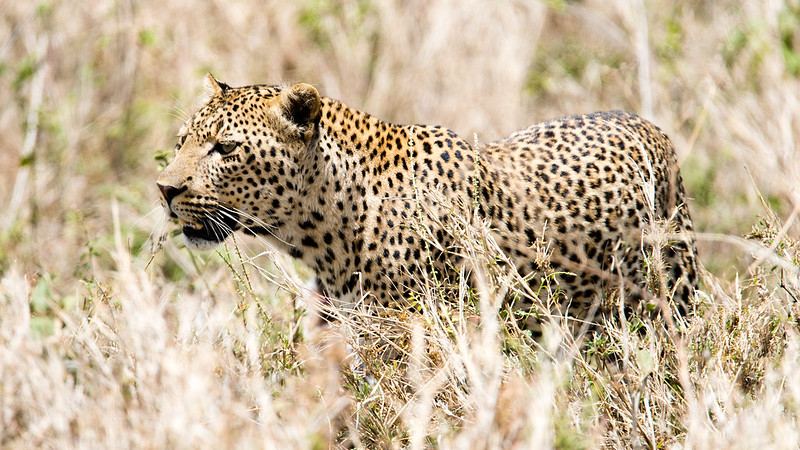
Lions and buffalo are widespread in the Serengeti and Ngorongoro Crater. Elephants are plentiful in Tarangire and also seen in Lake Manyara and the Serengeti. Leopards favour wooded areas and riverine trees, such as around central Serengeti and Tarangire.
Black rhino is the hardest: the Ngorongoro Crater is the best-known place to look, though distance and luck matter.
- Lion: Serengeti and Ngorongoro
- Elephant: Tarangire
- Buffalo: widespread
- Leopard: acacia and river trees
- Rhino: Ngorongoro Crater
Why rhino and leopard need time
Rhinos are rare and often far from the viewing tracks, so binoculars help. Leopards are mostly nocturnal and hide in trees, so early morning and late afternoon drives are best.
We cannot guarantee any sighting; wild animals follow their own schedule. A good guide improves your odds.
Do not forget the smaller details that make the Big Five memorable: the sound of a lion's roar at night, the smell of wet grass after rain, the way an elephant herd moves in step.
Building the itinerary
A circuit combining Tarangire, the Serengeti and the Ngorongoro Crater covers most of the habitat. Allow at least one full day in the crater and several days in the Serengeti rather than rushing.
Dry months usually make spotting easier, but the Big Five can be seen in any season.
Improving your odds
Give yourself enough days. Two nights in each of three parks usually yields better results than a rushed single-park trip. Ask your guide to share what they know about recent sightings, and be prepared for early starts.
Use binoculars to scan the edges of the crater and the tree lines for leopard and rhino. Even if you miss one of the five, the other wildlife on offer is rich and varied. Many guests remember the lesser-known species just as fondly.
Planning your Big Five trip
Tell us which animals matter most and we shape the plan around them. We tailor each safari to your dates and budget; ask us for a current quote.
Bring good binoculars and patience. Check current official requirements for visas, health and park rules.
Related pages on our site
- Big Five safari itinerary
- Beyond the Big Five
- Black rhino sightings in Ngorongoro
- Tanzania safari tours
Frequently asked questions
Can I see all the Big Five in one trip?
It is possible in northern Tanzania, particularly if you include the Ngorongoro Crater, but sightings are never guaranteed. Longer trips with several nights in the best areas improve your chances, though luck always plays a part.
Why are they called the Big Five?
The term dates from hunting days, referring to the animals considered most dangerous to hunt on foot. Today it is used by wildlife watchers as a friendly checklist, and it says little about how special the other animals are.
Which season is best for the Big Five?
The dry months make animals easier to see, but the Big Five are present all year. Choose according to your priorities, and remember that rhino and leopard sightings depend more on patience than on the calendar.
How many days do I need?
A minimum of four to five days across the northern circuit gives a reasonable opportunity, but longer is better. We can discuss options for your timeframe and budget, and be honest about what is realistic.