Pairing Kilimanjaro with a safari gives you both of northern Tanzania's headline experiences in one journey. The main planning question is order: do you climb first and recover among animals, or watch wildlife first and tackle the mountain fresh? Below is how we think through that choice, what a combined itinerary usually looks like and what to allow for. We also look at packing and timing. Read on for practical planning pointers.

Climb first or safari first?
Most people climb first. The summit is the harder, less predictable part of the trip, and a safari afterwards gives tired legs a gentle recovery in a vehicle with meals and a bed.
Going on safari first has one merit: you still have your energy for the long days. The downside is that a late-trip climb leaves little buffer if you have to repeat or delay a day.
The combination is popular because of geography. Arusha sits between the mountain and the northern parks, so you spend your time on the climb and the safari, not on long transfers.
How the two halves fit together
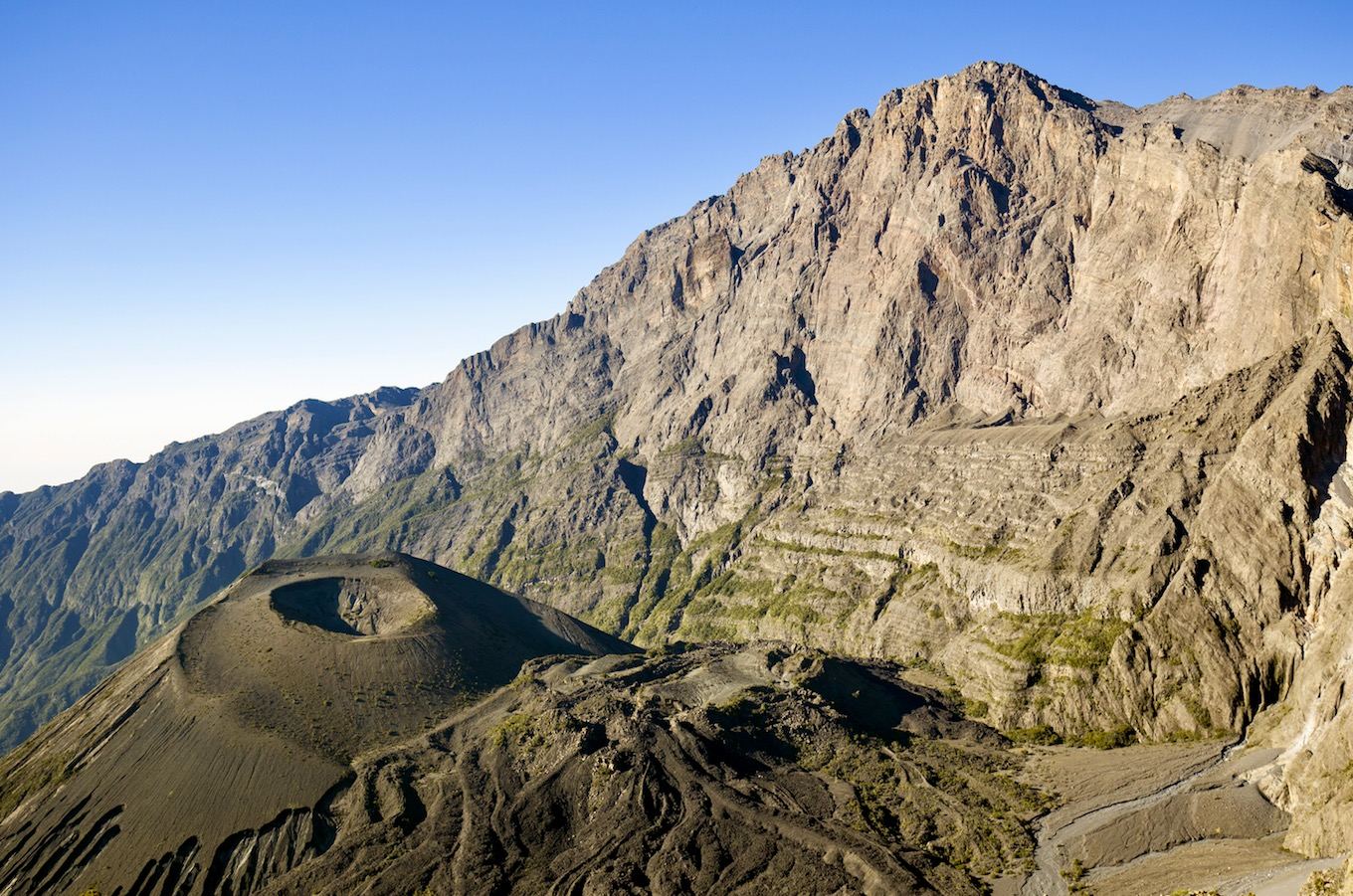
Kilimanjaro treks start from the Moshi and Arusha side, while the northern safari circuit is reachable by road from Arusha. That proximity is why the combination works so smoothly.
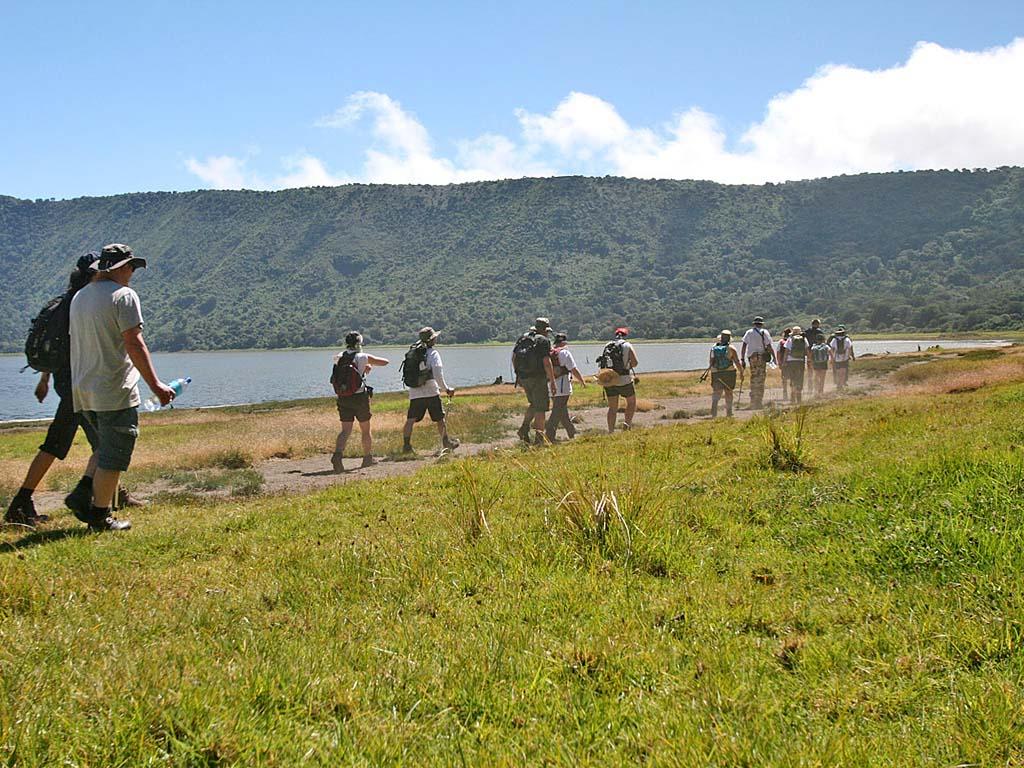
A typical shape includes arrival, briefing, the climb, a rest night with a proper bed, then game drives in parks such as Tarangire, Lake Manyara, the Serengeti or Ngorongoro Crater.
- Arrival and gear check before the climb
- Several days on the mountain
- A rest night to wash and sleep
- Safari days with game drives
- Onward flight home
Allow some slack in the schedule
Build a spare night between the two parts if you can. Mountain weather and your own energy can shift plans by a day, and a flexible gap is cheaper than a missed flight.
If you have limited time, a shorter route and a shorter safari still work. We tailor the programme to your dates and budget.
Choosing the safari style
After the effort of a climb, many travellers choose more comfort than they planned. That might mean a mid-range or luxury safari, or a camping safari if you enjoy it. Ask us for a current quote for the combination you have in mind.
Packing for both
A combined trip means two very different kit lists. Mountain layers, boots and a sleeping bag sit alongside light safari clothing in neutral colours and a sun hat.
Most hotels can store spare luggage while you climb. Ask us how this works in Arusha or Moshi so you only carry what you need at each stage.
Related pages on our site
Frequently asked questions
How many days do I need for both?
Allow enough for your chosen route plus a few days of safari, and a buffer. A shorter safari can still show you the Ngorongoro Crater and Tarangire. We will build the exact length with you. Flexible dates make everything easier.
Can I do the safari before the climb?
Yes, and some people prefer it. Just keep a day or two of rest before the mountain, and avoid long, dusty drives on the final days before trekking. We tailor each trip, so ask for a current quote.
Do I need two sets of luggage?
Bring a bag for the trek, a soft duffel for safari and leave non-essentials at your hotel. Your guide team will help you sort what goes where. Leave valuables locked safely at the hotel.
Can we tip in one go?
Tipping is separate for the mountain crew and the safari team. We share guidance on typical practice so you can plan cash and avoid awkwardness. Ask us what is customary for your itinerary.