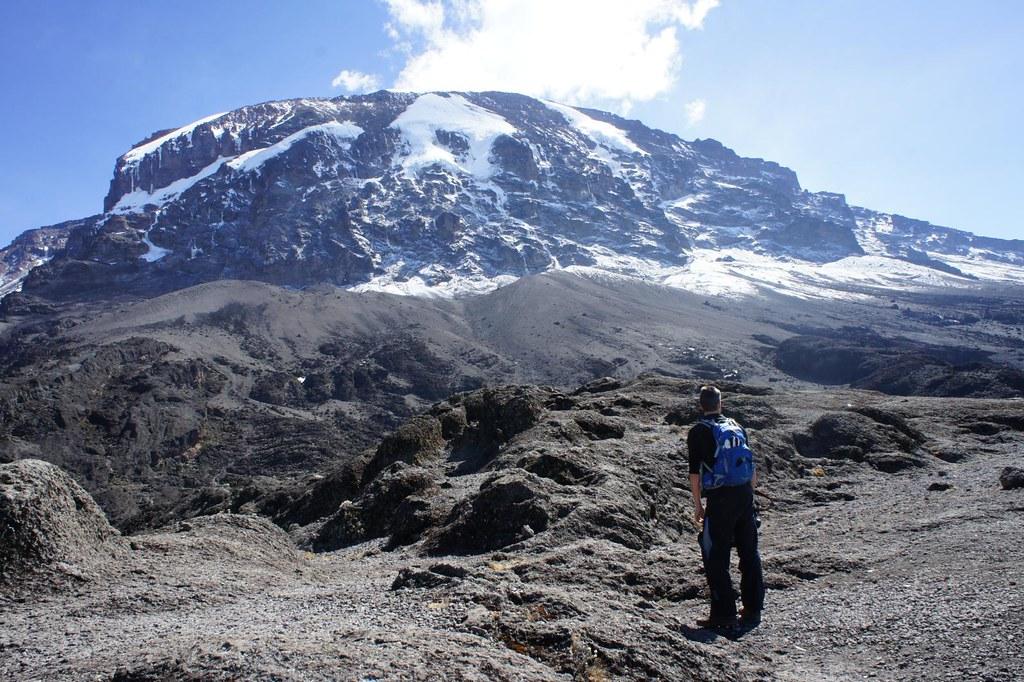
Mount Meru rises to about 4,566 m from within Arusha National Park, and it is one of Tanzania's best-kept trekking secrets. The path passes through forest where wildlife can appear, climbs a dramatic crater rim and offers views toward Kilimanjaro. Paired with a safari, it makes a compact trip with a wilder feel than many people expect. We also cover what to pack and expect. Read on to see how it fits your trip, and how it compares with the larger mountain nearby.
Why trek Meru
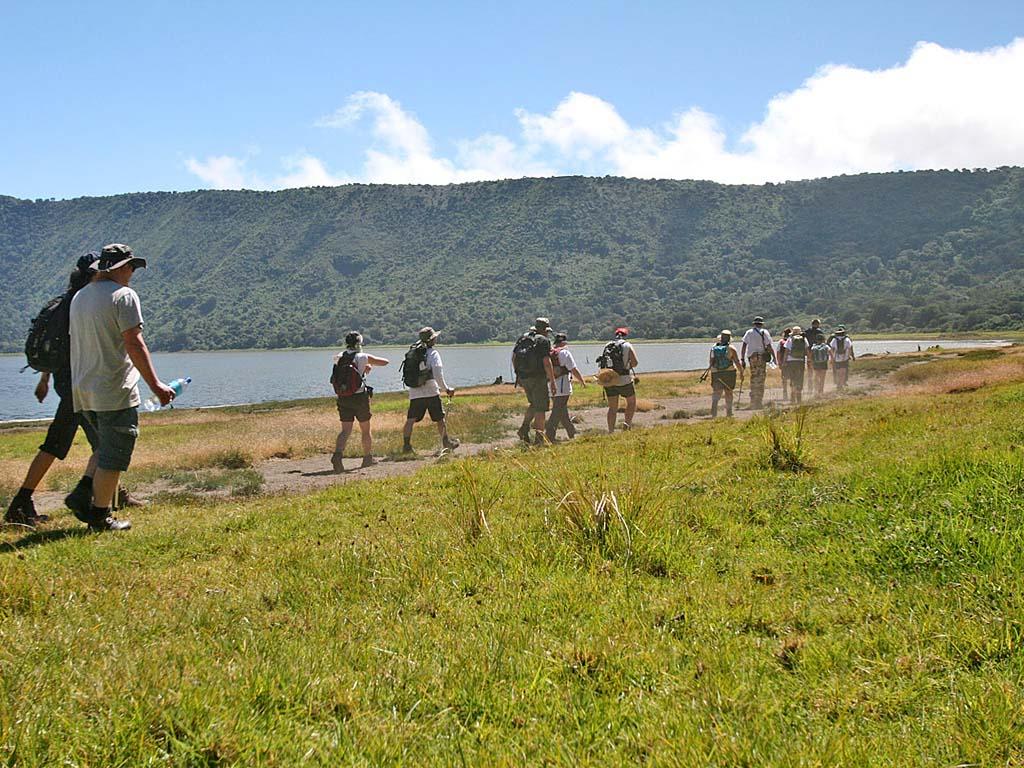
Meru is a quieter mountain with a character of its own. The route begins among forest and open glades, where buffalo, giraffe and monkeys are sometimes seen from the trail, then climbs steeply to the crater rim.
It is a rewarding trek in its own right, not merely a rehearsal for something bigger.
Arusha National Park itself is compact but varied, with forest, lakes, open ground and the crater of Ngurdoto. It is a rewarding place for a short safari before or after the climb, and sits close to Arusha town.
A warm-up for Kilimanjaro
If you plan to climb Kilimanjaro later, Meru is a useful trial of your boots, pacing and reaction to altitude. Many travellers do Meru first for that reason.
Park rangers accompany trekkers because of wildlife, and your guide team handles porters and meals.
- Typically a few days, depending on itinerary
- Hut accommodation on the trail
- Wildlife possible on the lower slopes
- Steep final section before the summit
Adding the safari
After the trek, you can head onto the northern circuit. Tarangire, Lake Manyara, the Serengeti and Ngorongoro Crater are all reachable from Arusha. The mix of effort and game viewing makes the trip feel balanced.
We tailor the length and style to your dates and budget; ask us for a current quote.
Practical notes
Bring good boots, warm layers for the crater rim and waterproofs. Check current park rules and fees with official sources. Travel insurance should cover trekking at altitude.
Allow a rest day after the descent before long road transfers, because your legs will feel it. Many travellers enjoy a quiet afternoon in Arusha before heading into the parks.
What the trek feels like
The first day follows a wide track through forest and grassland with a ranger at your side. Later the path narrows and climbs along the rim of an old volcanic crater, with steep drops on one side.
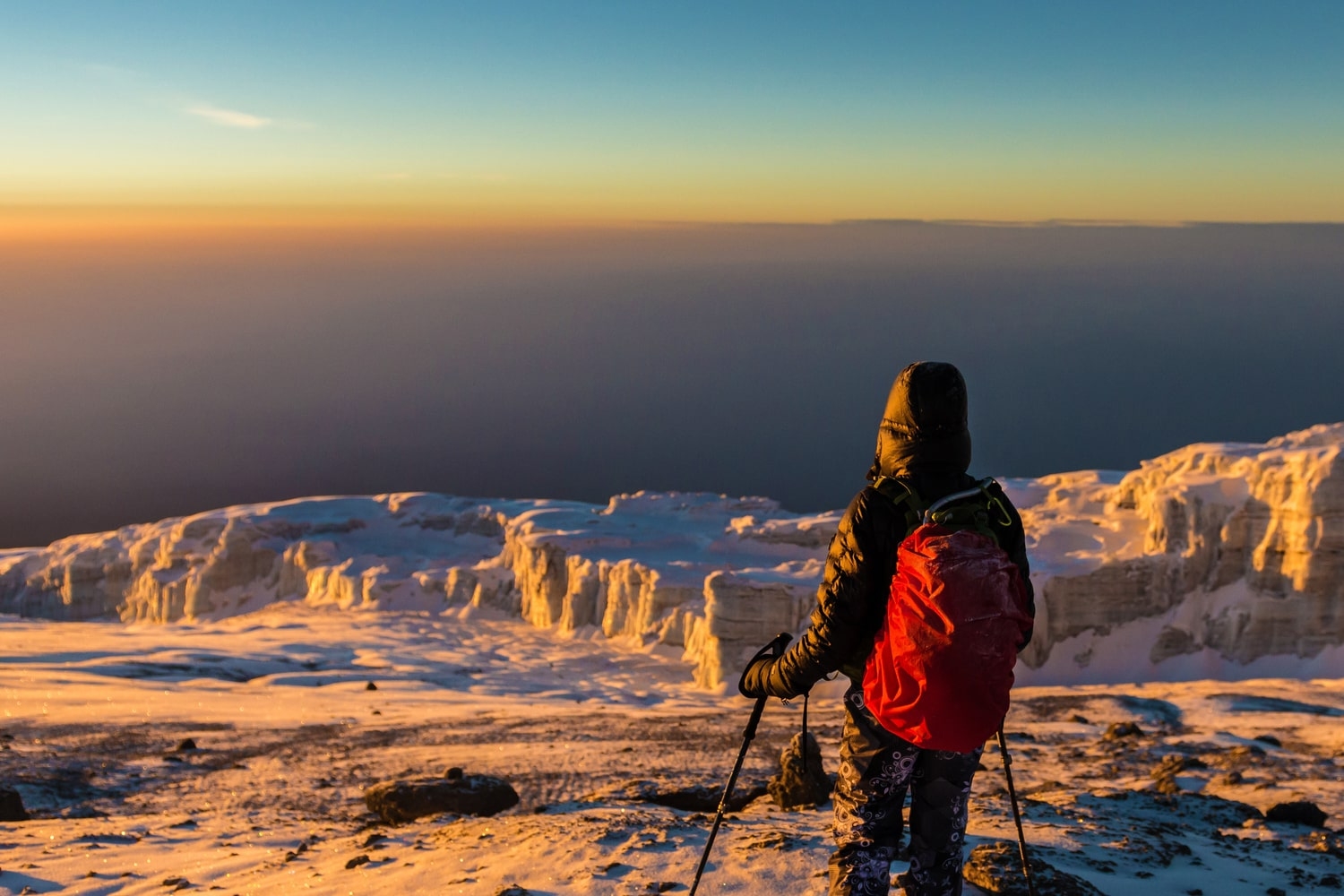
Hut nights are simple but warm enough with the right sleeping bag. The summit push usually starts in the small hours so you can watch sunrise, with Kilimanjaro often visible on the horizon if the sky is clear.
Related pages on our site
Frequently asked questions
Is Mount Meru harder than Kilimanjaro?
Meru is shorter and lower, but the final ridge is steep and exposed. Many people find it surprisingly demanding. It is a serious trek, not a stroll. Good boots and warm layers are essential.
Can I see animals on Meru?
Wildlife is sometimes seen on the lower slopes, but sightings are never guaranteed. Rangers accompany groups for safety, and your guide will explain what you spot. Always follow your ranger's instructions.
Should I do Meru before Kilimanjaro?
It is a sensible warm-up if your itinerary allows a few days between them. It helps your body get used to altitude, though it does not guarantee a summit on Kilimanjaro. Allow a few rest days if possible.
What is the best season for Meru?
Many trekkers prefer the drier months, typically June to October and January to February, but conditions vary. Ask us about your dates. Ask us about your travel month. Avoid the heaviest rain periods if you can.