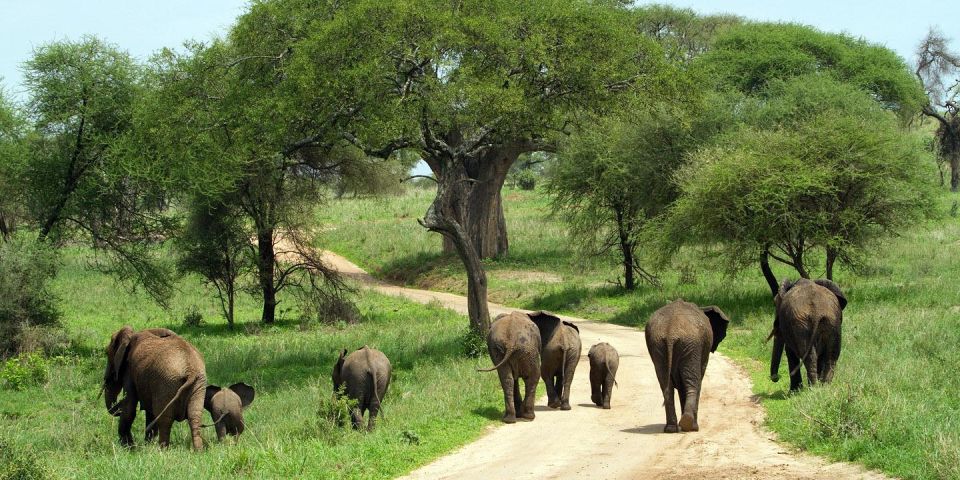
Ngorongoro is a volcanic caldera, a vast bowl whose steep walls keep a large share of its wildlife on the floor all year. That makes it one of the most reliable places in Tanzania to see a lot in a short time. This page covers how a crater visit works, whether to choose a day tour or an overnight stay on the rim, and the practical details that change how much you enjoy your time below.
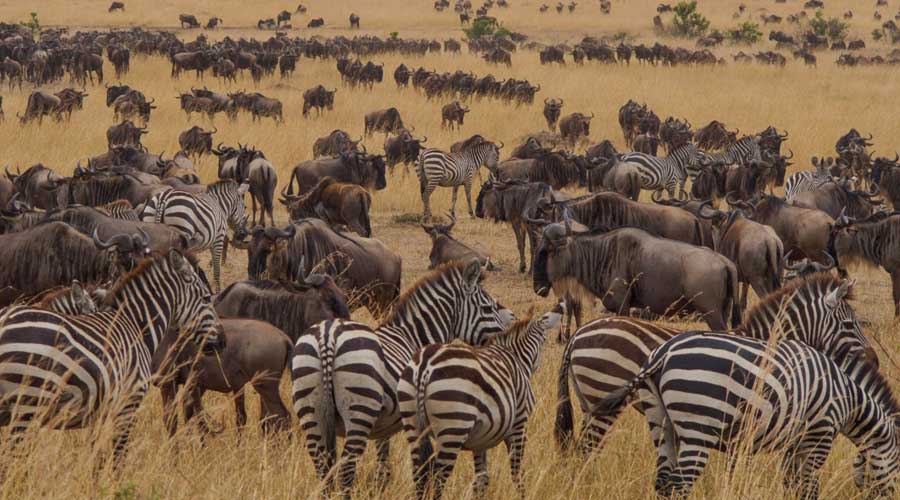
Why the crater floor is so productive
The caldera formed when a large volcano collapsed long ago, leaving a floor of grassland, a soda lake, marsh and patches of woodland. Water and grazing are available through most of the year, so herds of wildebeest, zebra and buffalo often stay put rather than migrating away.
Predators follow the prey. Lions and spotted hyenas are commonly seen, and the crater is one of the better places in the country to look for black rhino, although sightings are never certain and the animals are often distant.
Day tour or overnight stay
A day tour from Arusha is possible but involves an early start and a long road journey, with a descent in the morning and a return in the afternoon. It suits travellers with limited time who understand that much of the day is spent on the road.
Staying a night near the rim, usually as part of a northern circuit, is more relaxing. You descend soon after dawn when the light is soft and the animals are active, and you are not racing the clock to climb out again.
- Day tour: fastest option, longest day
- Overnight on the rim: calmer pace, better light
- Combined with Serengeti or Tarangire: most popular approach
- Private vehicle: you decide when to stop and linger
What to expect on the descent and the floor
The road down is steep and the temperature at the rim is often cool, even in dry months, so bring layers. Vehicles spend a set number of hours on the floor under park rules, so your guide will plan the loop to reach the main areas first, including the lake, the marsh and any known sightings.
Picnic lunches are commonly taken at a designated hippo pool or picnic site. Keep food covered, as kites and other birds are quick to snatch it.
Planning around altitude and weather
The crater rim sits at a high altitude and can be misty, cold and windy at dawn, while the floor below is warmer and drier. Layers that are easy to remove are the sensible answer, and a light rain jacket helps in the wetter months.
Visibility varies from day to day. Clear mornings give spectacular views over the caldera, but cloud can also lend an atmospheric mood, so do not be disappointed by it.
Practical points before you go
Park and conservation rules are set by the authorities and can change, so we confirm current requirements when we prepare your quote. Bring a hat, sunscreen, a fleece, binoculars and a camera with a decent zoom.
We tailor every crater visit to your dates and budget. Ask us for a current quote, and tell us if you have mobility needs or a medical condition so we can plan the timing sensibly.
Related pages on our site
Frequently asked questions
How long do you spend inside the crater?
Time on the floor is limited by park rules, and a typical visit lasts several hours in the morning. Your guide will plan the route so you see the main habitats before it is time to climb out.
Can I see the Big Five in Ngorongoro?
The crater holds lions, elephants, buffalo and rhino, and leopards are present but harder to find. Sightings depend on luck and season, so treat it as a strong chance rather than a promise. Your guide will also explain how to behave around the animals.
Is Ngorongoro worth it if I am also visiting the Serengeti?
Most travellers say yes. The two landscapes are very different, and the crater offers dense wildlife viewing in a compact area. It also breaks up the long journey between Arusha and the Serengeti. Either way, we tailor the route to your timetable.
Is the crater crowded?
It can be busy at peak times, because many vehicles descend at the same hours. Going early and letting your guide choose quieter tracks helps, and the size of the floor means you can still find space.