The northern Serengeti feels different from the central plains. Hills roll down toward the Mara River, there are fewer tracks, and the sense of space is strong. Kogatende is the best-known base, close to the river and its crossing points. We cover what makes the north special, how it changes through the year, and why it needs time and planning. Here is what to expect and how to plan it.
A quieter, hillier landscape
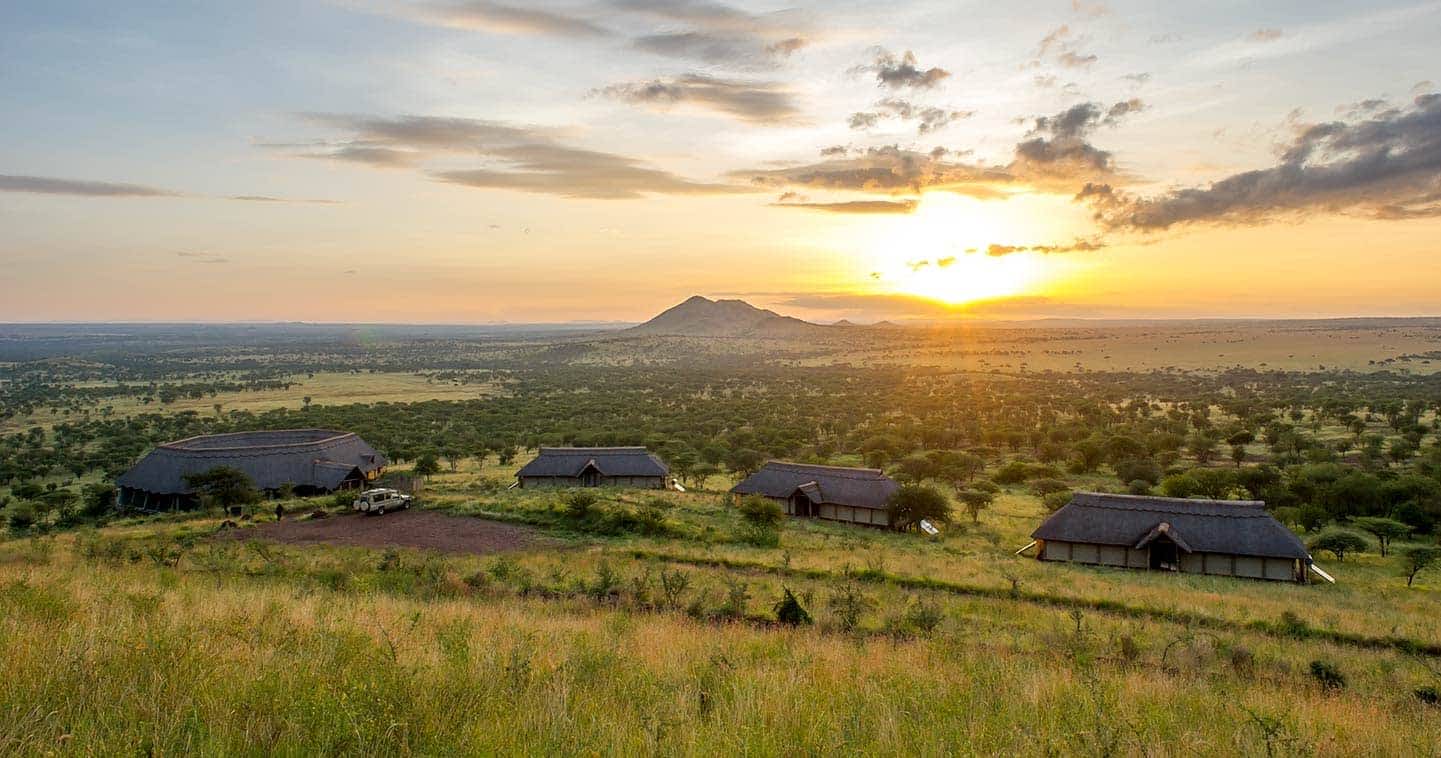
Rocky outcrops, acacia woodland and open valleys characterise the north. The Mara River cuts through, and its banks hold crocodiles and hippos all year.
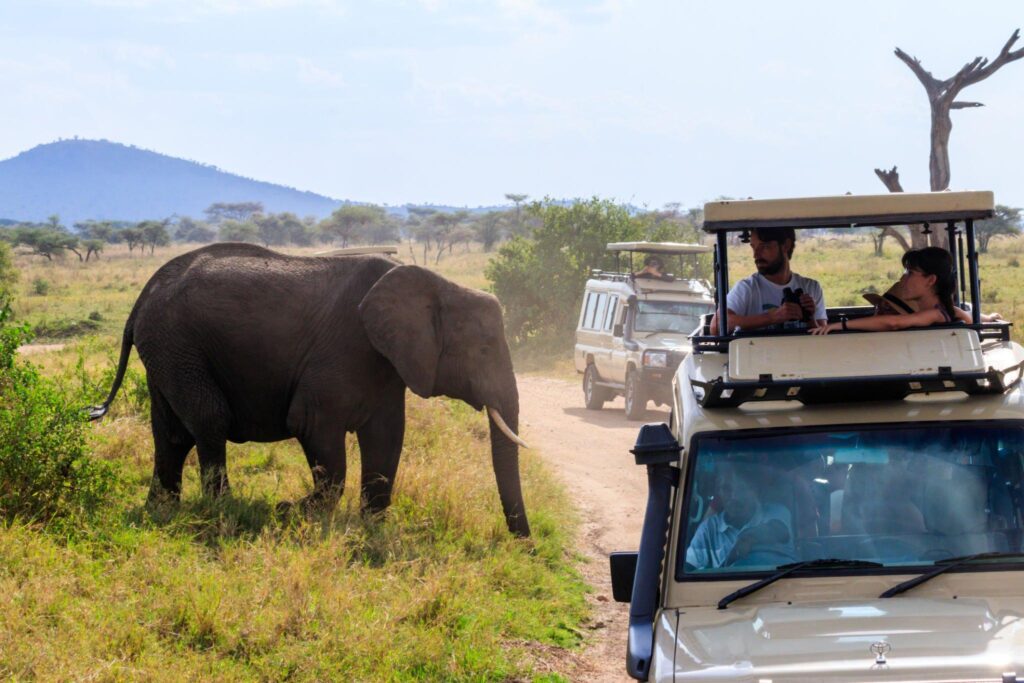
Resident wildlife is strong, with lions, elephants, giraffes and a wide range of birds. Fewer lodges and tracks mean quieter drives than in the centre.
Plan for a slower pace than in the centre. Distances are long, roads are rough, and wildlife is spread over a large area. Many guests find the remoteness part of the appeal, and bring binoculars to scan the hills for movement across the valleys.
Migration season in the north
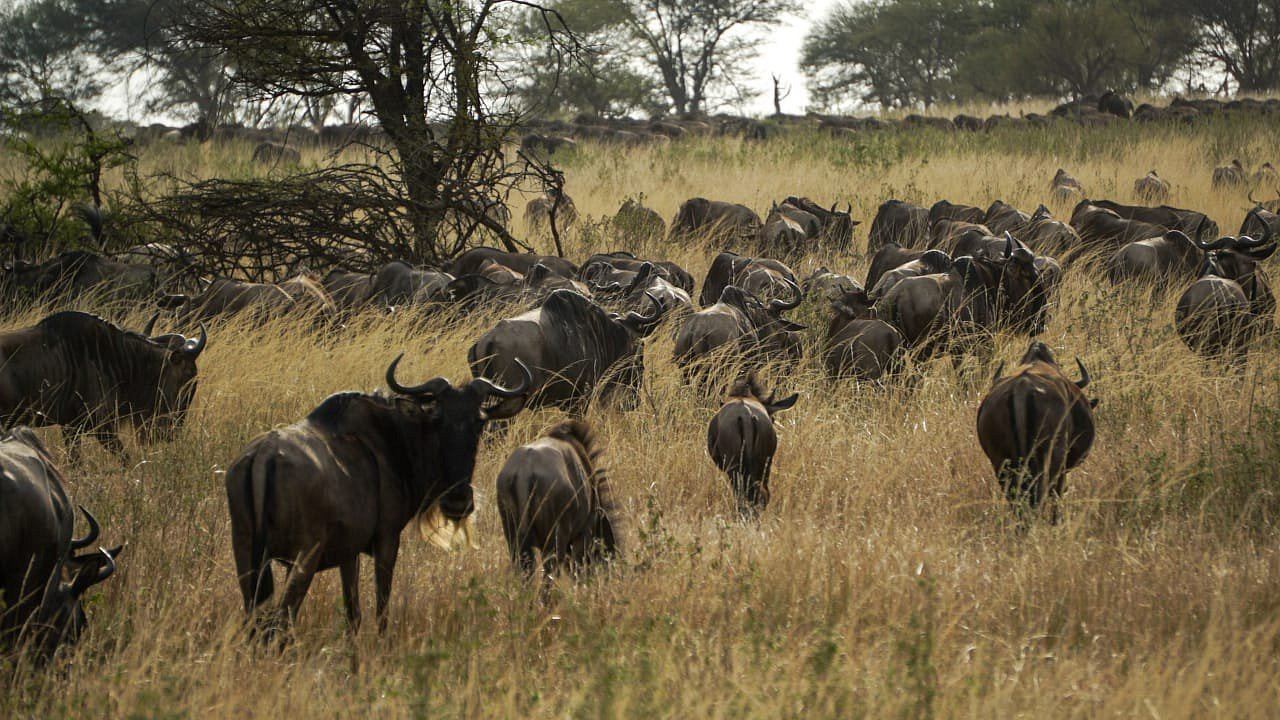
In many years the herds are in the north from about July to October. The river crossings are the main draw, though they are unpredictable and require patience.
Outside those months, the north is far quieter. It can still be rewarding for those who enjoy scenery and a sense of wilderness.
- Mara River habitats and crossings
- Hills and valleys with long views
- Resident lions, elephants and giraffes
- Lower vehicle density than central areas
Getting there
The north is far from Arusha, so many travellers either allow a full day of driving each way or take a light aircraft to a nearby airstrip. Roads are rough and distances are long.
We avoid quoting driving times, which depend on conditions. A fly-in option saves time but has baggage limits and its own costs.
Accommodation and atmosphere
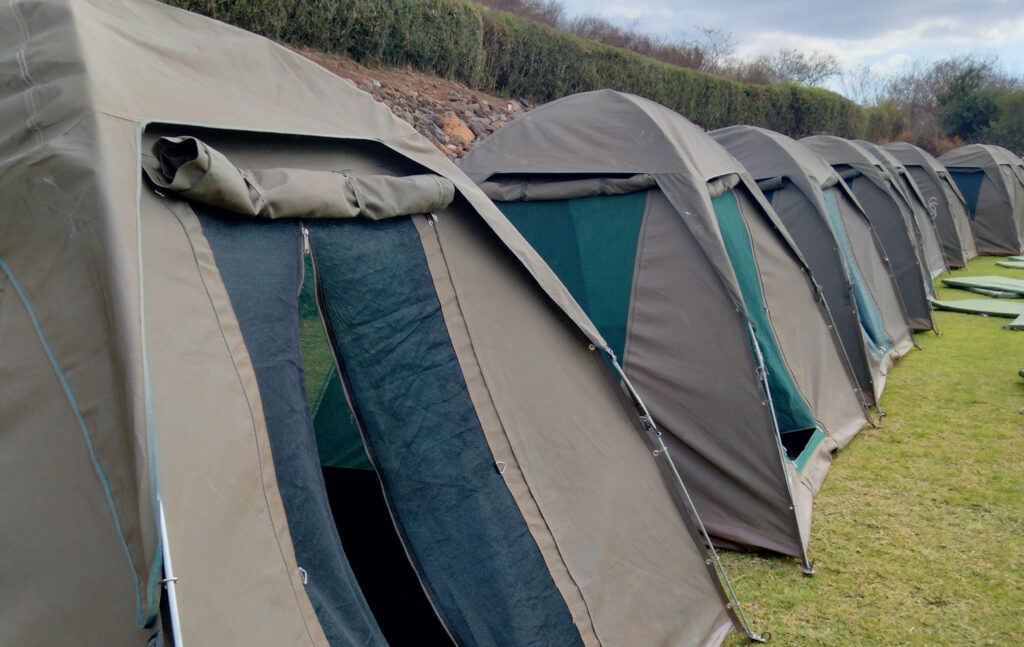
Camps in the north tend to be small and remote, with a strong sense of wilderness. Many are seasonal tented camps, which open during the main migration months and close afterwards.
Nights are quiet and the stars are brilliant. Because supplies and staff travel a long way, options are limited, so booking early is wise.
How long to stay
Three nights is a sensible minimum, and four or five lets you adjust to weather and wildlife movements. Combine the north with the centre or the Western Corridor for a broader trip.
We tailor plans to your dates and budget. Ask us for a current quote.
Related pages on our site
- 6-day river crossing safari
- 10-day Mara River migration safari
- Wildebeest migration safaris
- Fly-in safaris
Frequently asked questions
What is Kogatende known for?
It is a ranger area in the far north, close to the Mara River and a favourite base for crossing season. It also offers quiet, scenic game drives. Staying longer improves your chances of seeing a crossing.
Is the north worth the extra travel?
If the migration is your priority, yes, because the north is where river crossings usually occur. If you prefer shorter drives or have limited time, the central or southern areas may be easier and still rewarding.
Can I visit the north outside migration months?
Yes. Resident wildlife in the north is good all year, and the area is quiet outside the main season. Just remember that the large herds may be elsewhere, so set your expectations accordingly.
How cold or hot is the north?
Days are usually warm and nights can be cool, especially in the dry season. Pack layers, a hat and sunscreen, and check a forecast closer to your trip, since conditions at higher, exposed camps vary.