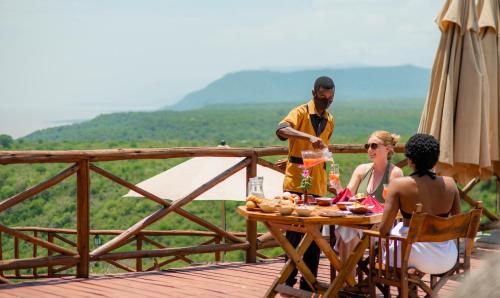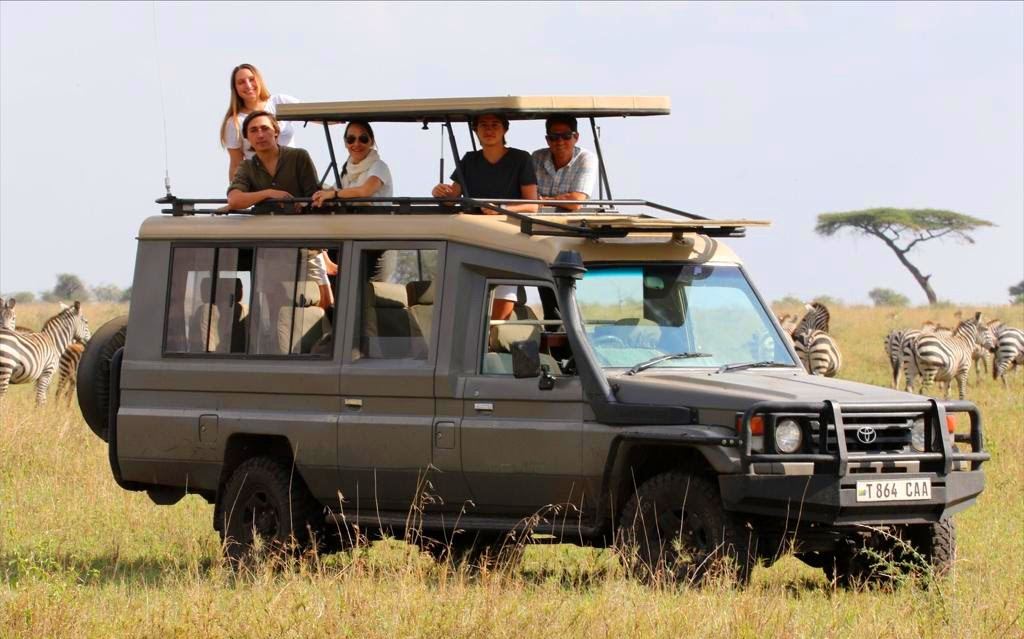
Retirement often brings the time that a long-planned safari needs, and Tanzania suits unhurried travellers well. The key is choosing a pace and a style of accommodation that fits you. With comfortable lodges, a private vehicle and fewer one-night stops, many older travellers enjoy safaris as much as anyone. Here is what to think about. Here is what to consider. Here is what to weigh up carefully before you book.
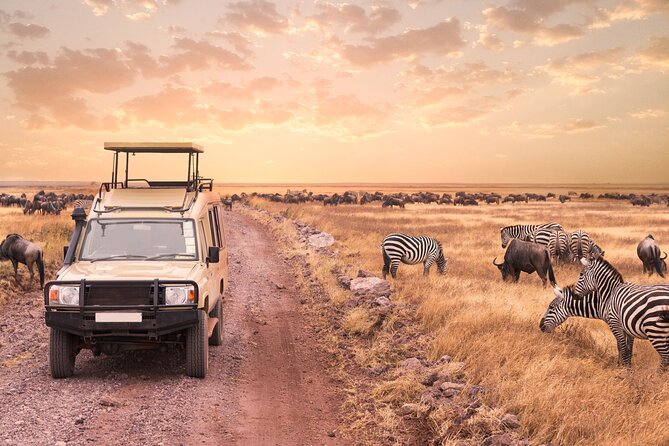
Pace and distances
Roads in parts of Tanzania are bumpy, and some transfers are long. Choose itineraries with fewer moves, and consider fly-in legs to skip the longest drives.
Longer stays in fewer places mean less packing and more time to watch wildlife from the veranda.
Many retirees also say that their favourite part of a safari is the time at camp: reading on a veranda, watching animals at a waterhole and talking with the guide over dinner. A well-planned trip protects that quiet time instead of filling every hour.
Comfort and vehicle
A private vehicle allows rest stops and flexible timing. Ask about step height, seat comfort and whether the vehicle has a roof that opens for viewing. Lodges with ground-floor rooms and good lighting can be easier.
Let us know about mobility needs so we can match accommodation.
Think about the practical details of daily life too: carrying bags to rooms, getting in and out of a vehicle, and the distances between dining areas and accommodation. Asking about these in advance prevents surprises and keeps the trip comfortable.
- Fewer lodge changes
- Private vehicle with rest stops
- Ground-floor or accessible rooms
- Fly-in options for long legs
Health preparation
See your doctor well before you go to discuss vaccinations, malaria prevention, medications and any conditions. Carry medicines in hand luggage with a list of what you take.
Good travel insurance with medical cover is sensible. Check current official health requirements.
Making the trip relaxed
Build in rest days and avoid over-scheduling. Early morning drives are rewarding, but nobody needs to do every drive. Grandchildren or friends can join for a multi-generational trip if you like.
We tailor it to your dates and budget; ask us for a current quote.
Altitude and climate
Some safari areas are at moderate altitude, and the Ngorongoro highlands can be cool, even cold, in the early morning. Layers matter, and a warm hat and jacket are worth packing.
Heat and dust can be tiring in the dry months. Drink plenty of water, wear sun protection and rest at midday.
- Warm layers for the highlands
- Sun hat and sunscreen
- Plenty of water
- Midday rest
Related pages on our site
- safari for seniors
- accessible safaris
- travel insurance for safari
- mid-range safaris
- multi-generational trips
Frequently asked questions
Is a safari too tiring for older travellers?
Not if you choose a gentle pace. Many seniors enjoy safaris with fewer transfers and rest days. Discuss your comfort level with us and we will plan accordingly. Choosing the right pace is the key to success. Tell us if you would like more rest days.
What if I have limited mobility?
Tell us in advance. Some vehicles, lodges and activities are easier than others, and we can discuss realistic options for you. Honest advice helps us plan realistically. We take mobility needs seriously.
Do I need special insurance?
You should have travel insurance with medical cover appropriate to your age and health. Check the policy terms, including medical evacuation, with your insurer. Keep copies of your policy with you.
Can we bring a travelling companion or carer?
Yes. Tell us in advance so we can arrange suitable rooms and vehicle space. It is also useful to share any dietary or medical needs. Check whether pre-existing conditions are covered, and keep the policy number somewhere safe.