Rongai is the odd one out among Kilimanjaro routes. It starts on the north side close to the northern border, where the mountain sits in the rain shadow and tends to be drier, then curves round to join the final ascent. If you want fewer people and gentler gradients, here is how the route works and who it suits best. We also cover the trailhead journey. Read on to see whether the northern side suits you.
Starting from the north
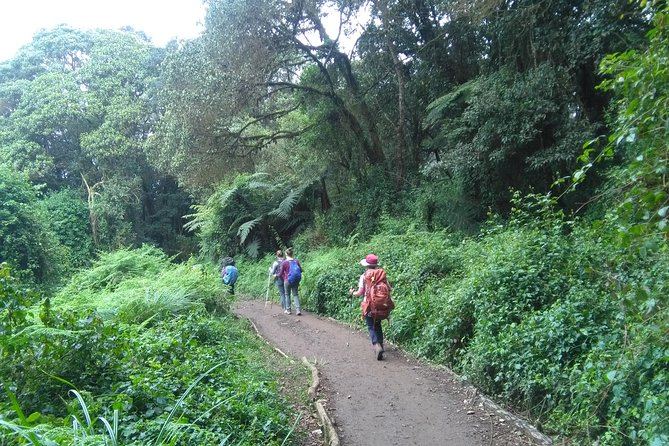
The trailhead is reached by a longer road journey from the usual bases. The first days run through farmland and pine plantation before entering forest, with a rural feel unlike the southern routes.
Because the northern slopes are typically drier, the ground is often easier underfoot, though weather on any part of Kilimanjaro can change quickly.
Rongai attracts a certain kind of walker: someone who values calm over crowds and does not mind a less dramatic start. Many climbers who choose it say the quiet camps and open northern views stayed with them longest.
A steady climb with quieter camps
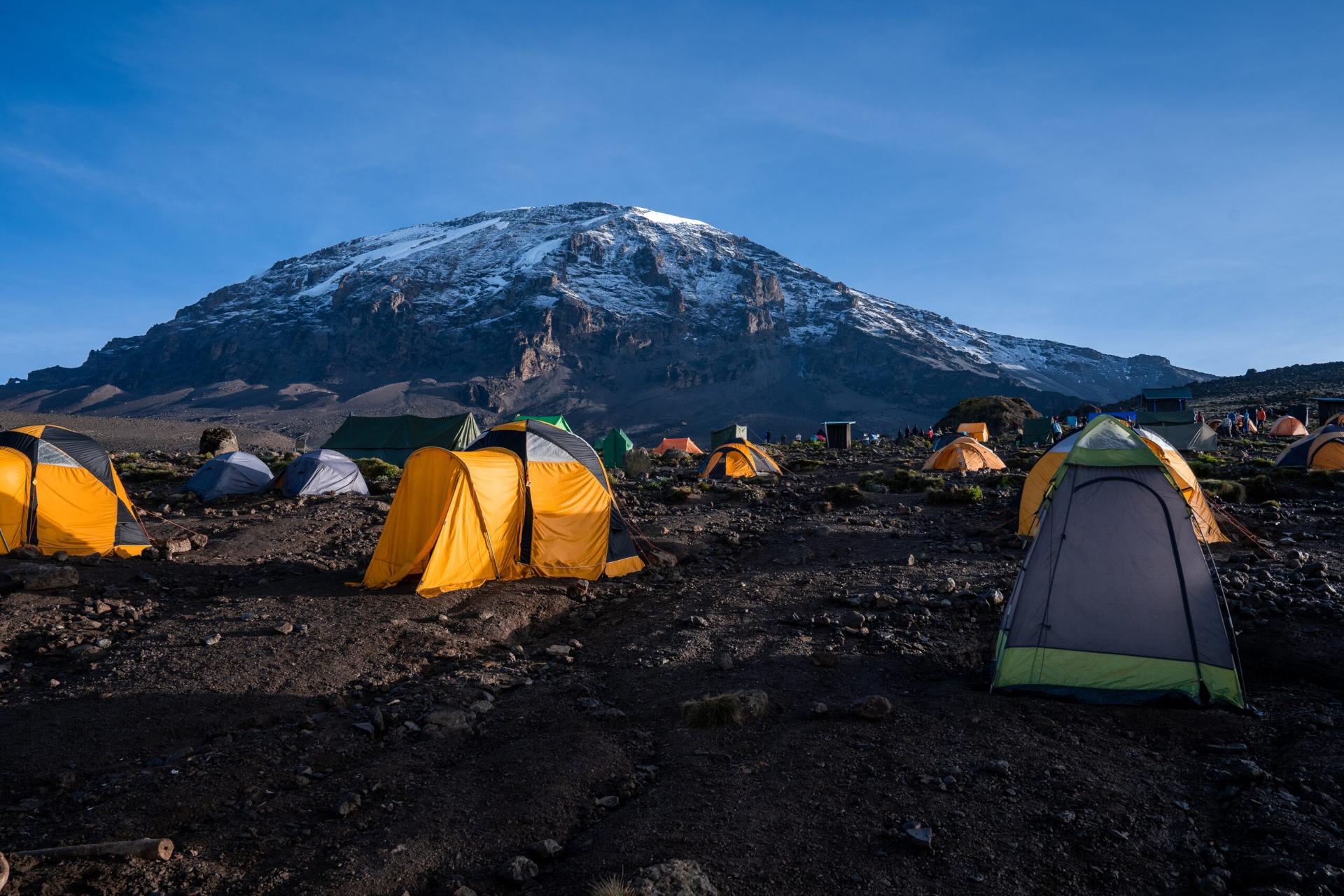
Rongai is a camping route and usually has fewer climbers than Machame. The gradient builds gradually, which suits walkers who prefer a steady rhythm to dramatic ups and downs.
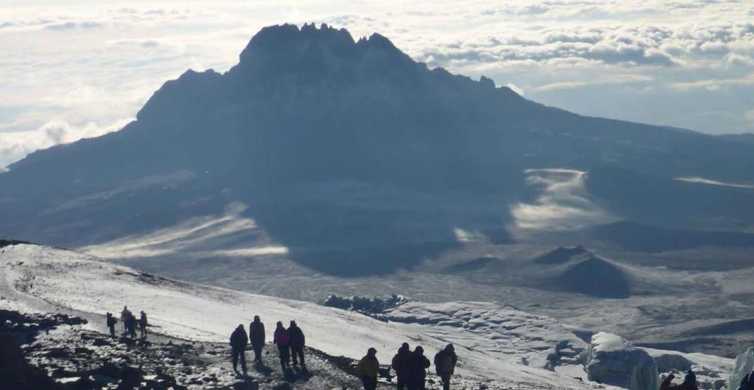
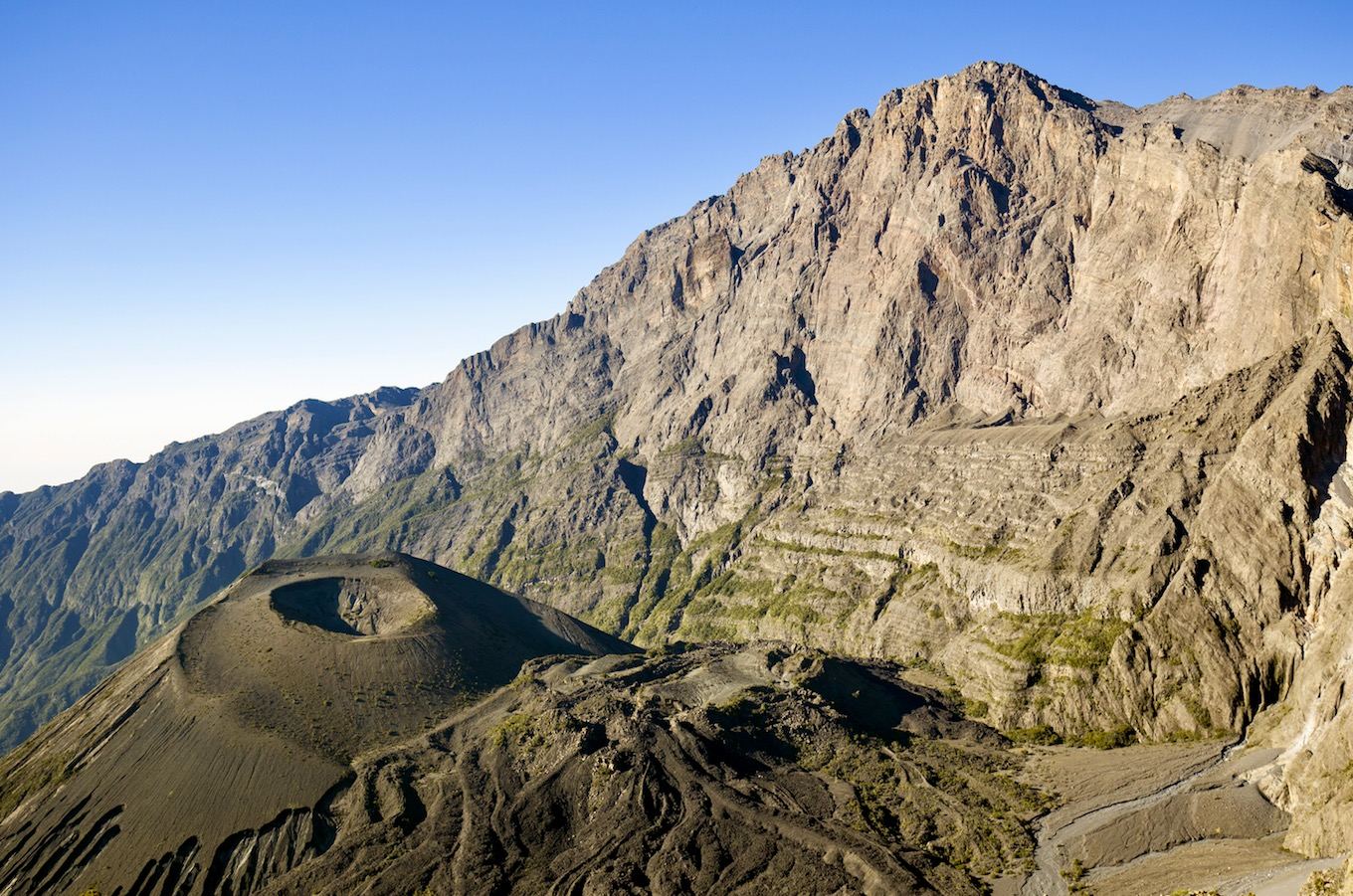
The route skirts the jagged peak of Mawenzi, offering views you do not get from the southern side.
- Camping with a full crew
- Less crowded than the most popular routes
- Different scenery near Mawenzi
- Often chosen in wetter months
What to think about
Rongai is less scenic in the early days for some, and it does not benefit from the climb-high, sleep-low pattern in the same way as other routes. Extra days help.
The descent normally uses a different path to the ascent, via the Marangu trail, so you see a bit more of the mountain.
Is it right for you?
Rongai tends to suit people wanting solitude, those worried about rain, or those with a limited level of trekking experience who like a steady route. We tailor the schedule to your dates and budget; ask us for a current quote.
Getting to the start
The northern trailhead takes longer to reach by road, so allow for that in your first day. The drive passes through farming country and gives you a glimpse of rural life before the climb begins.
Bring snacks and water for the transfer. Your guide will brief you on the first stretch of the trail and what to expect from the camps along the way.
Related pages on our site
Frequently asked questions
Is Rongai drier than other routes?
The northern side generally receives less rainfall, which is why Rongai is often suggested in wetter periods. Mountain weather is unpredictable, so pack waterproofs regardless. Pack waterproofs regardless of the season.
Is Rongai a good route for beginners?
Many first-timers do well on it thanks to the gradual gradient and quieter trail. Choosing a longer itinerary matters more than the route label for acclimatisation. We will tailor the length to your needs.
Why is it less busy?
It is further from the main tourist bases and has historically attracted fewer climbers. Numbers can still vary by season, so we cannot guarantee solitude. Ask us about your travel month and group size.
Which route does the descent use?
The descent normally follows the Marangu path rather than the way you came up. That means hut-style camps near the end and a different gate at the finish. Your guide will explain each camp on the way down.