Many travellers assume that safaris only work in the dry season, but the green months offer their own rewards. The Serengeti turns bright and fresh, migrant birds arrive, and there are fewer vehicles at sightings. There are trade-offs too, and we explain both. Here is what to expect, which months fall into the green season, and how to pack and plan. Read on to decide whether the lush months suit your travel style and your tolerance for rain.
What counts as the green season
In northern Tanzania, the green season generally means the rainy periods. The short rains often arrive around November and December, with a drier spell afterwards, and the long rains usually fall from about March to May.
Patterns vary from year to year, and storms tend to be localised. Many days still begin with sunshine.
Photographers often favour this period for its colour and dramatic clouds, and the light after a storm can be extraordinary. If you plan carefully and bring suitable gear, you may find it the most atmospheric time to visit.
Benefits of travelling now
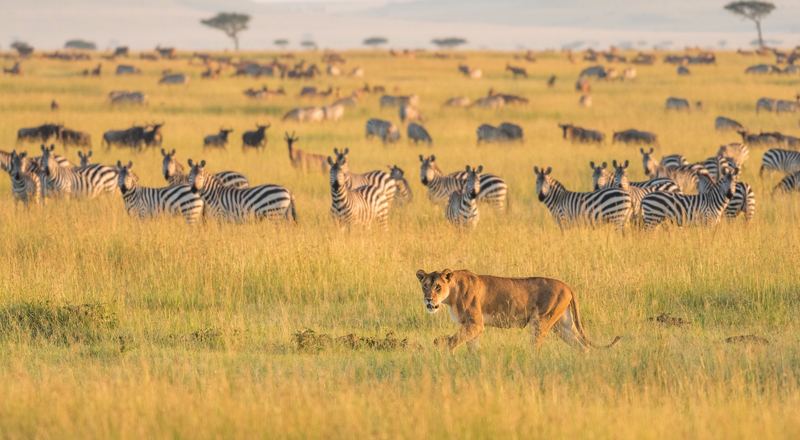
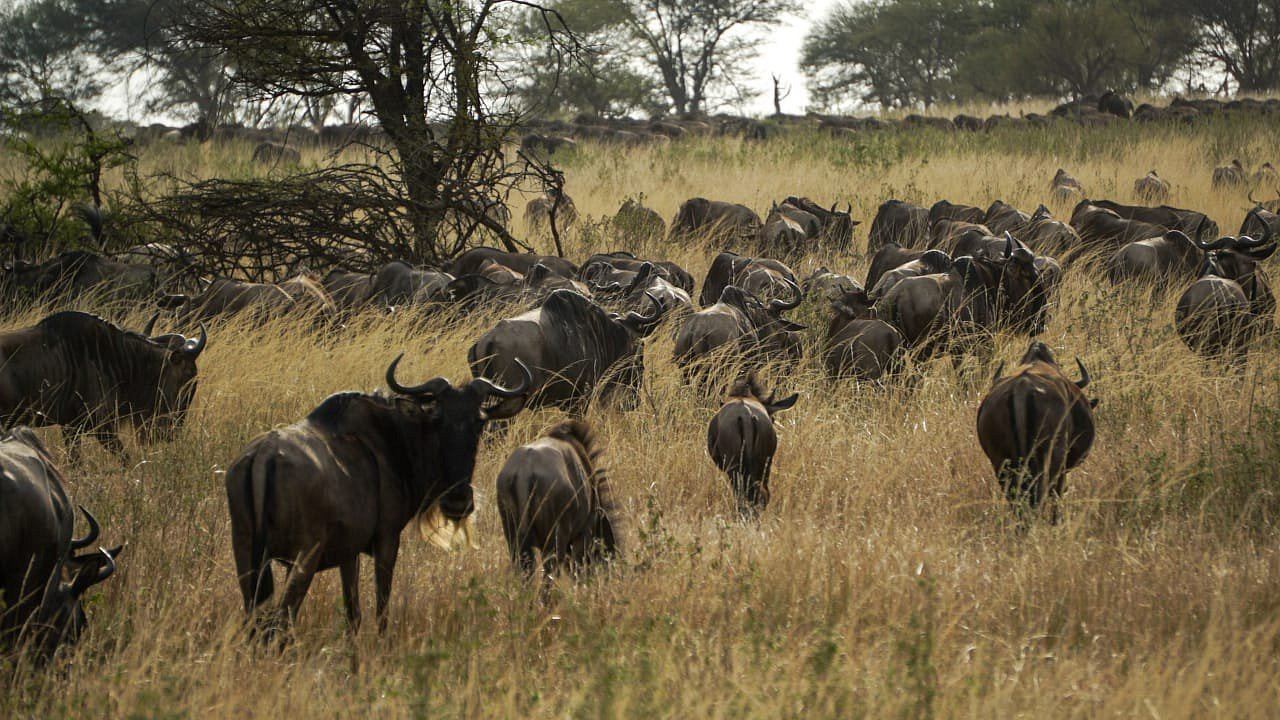
The landscape is vivid, the air is clear, and photographers enjoy dramatic skies. Calving in the south falls in the early green months, and many other animals have young too.
Fewer visitors means quieter roads and more relaxed lodges. Some operators and camps have lower rates in these months, but we describe options only through a current quote.
- Lush scenery and clear air
- Migrant and breeding birds
- Newborn animals in many species
- Fewer vehicles at sightings
Things to be ready for
Rain can make some tracks slow or muddy, and tall grass sometimes hides animals. A long rainy spell may close certain roads or change your route, so a flexible attitude is useful.
Pack a light waterproof, quick-drying clothing and a cover for your camera. Insect repellent is a good idea, and you should check current health guidance for your trip.
Wildlife and birding after the rains
Rain brings new grass, and with it grazers and the predators that follow them. Birding is especially rewarding, as migrant species arrive and resident birds show breeding plumage.
Reptiles, insects and flowers also appear, so keen naturalists often enjoy this time of year. A good guide will help you notice smaller details beyond the big animals.
Choosing between early and late green season
The short rains around the year end are often lighter than the long rains in the middle of the year. The long rains can bring heavier downpours, and some camps close for part of that time.
Tell us your dates and your priorities, and we will tailor a plan. Ask us for a current quote.
Related pages on our site
- Wildebeest migration safaris
- What to pack for a safari
- Best month to visit Tanzania
- Tanzania safari in January
Frequently asked questions
Is the Serengeti worth visiting in the rainy season?
Yes, for many travellers. The scenery is beautiful, birding is excellent and the crowds are thinner. You should accept some chance of showers and muddy roads, and pack for both sun and rain.
Will rain ruin my game drives?
Usually not. Rain often arrives in short bursts, and many mornings are clear. Your guide will adjust the plan if conditions change, and a flexible attitude to timing and routes makes the experience easier.
Are all lodges open in the green season?
Not always. Some camps close for part of the long rains for maintenance. We check what is open for your dates when we prepare a quote. We confirm opening dates when we prepare a quote.
When are the driest months?
In most years the dry season runs from about June to October. Weather patterns shift, so treat these months as general guidance rather than a firm calendar, and ask us what is typical for your exact dates.