Responsible travel is mostly a series of small choices made before and during the trip. Which operator you hire, how you behave near wildlife, what you buy and what you leave behind all matter. This page offers practical ideas for a more sustainable and community-friendly safari in Tanzania, written honestly: we do not claim to solve every problem, but there is plenty you can do to travel well and to leave places better than you found them.
Choose people who live here
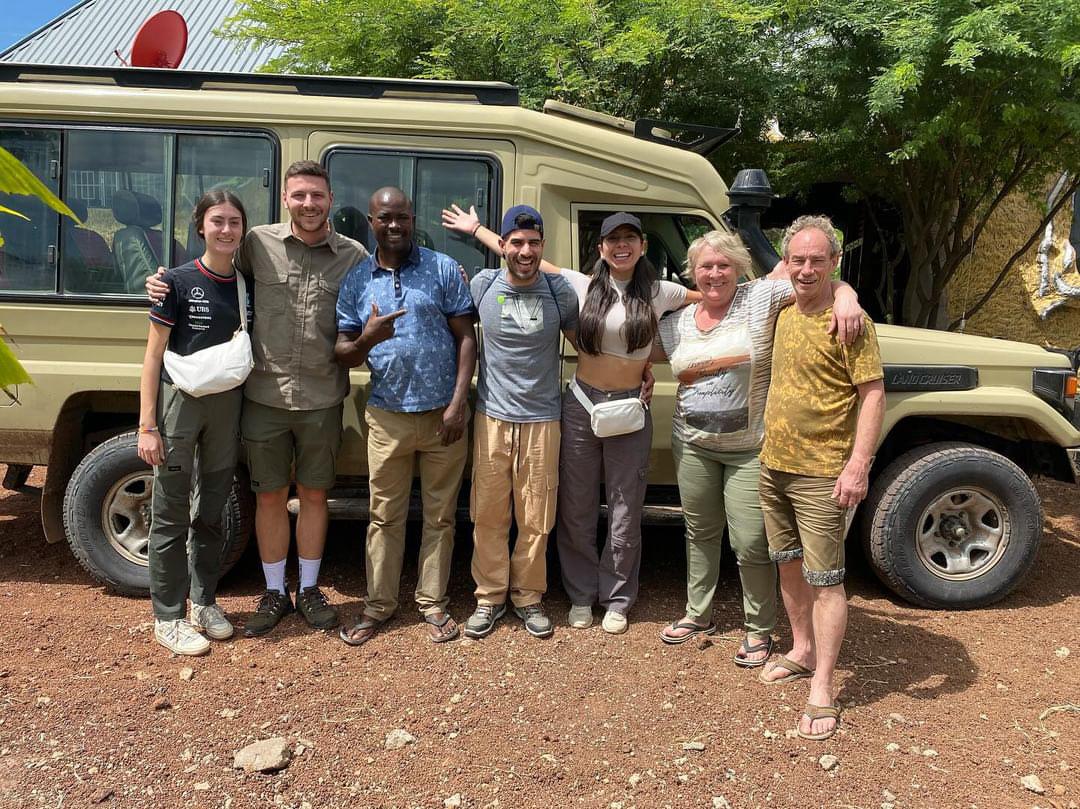
Hiring a locally based operator, using local guides and staying in places that employ nearby communities helps keep tourism income in the region. Ask any company who works on your trip and how they are chosen.
Ask questions before you book. Where do staff come from? How is waste handled at the places you will stay? Does the camp use solar power or save water? You will not always get perfect answers, but asking shows that you care and encourages operators to improve. Choose places that are open about what they do rather than those that rely on vague green slogans.
Respect wildlife and parks
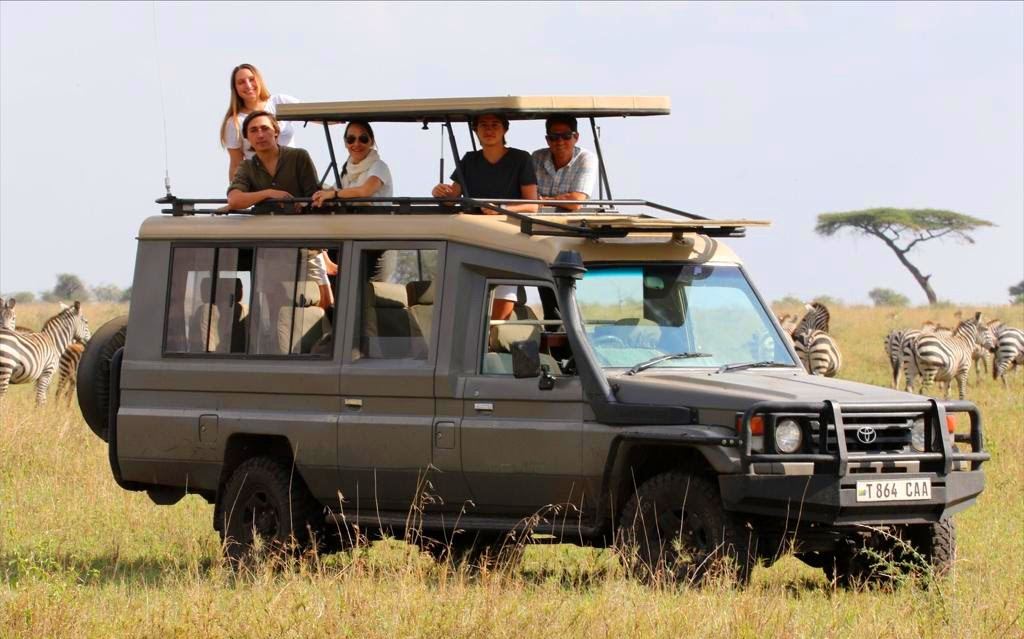
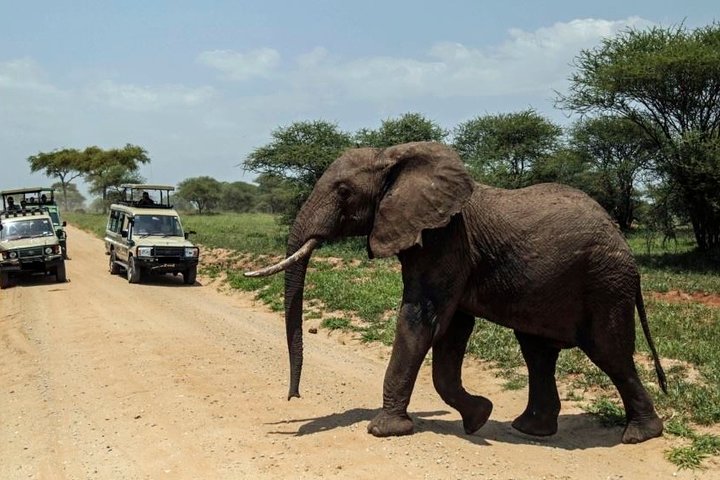
Follow park rules and your guide's advice. Keep voices low, never encourage animals to approach and do not feed wildlife. Staying on tracks protects the habitat, and not leaving rubbish keeps it clean.
Park fees also support conservation work, which is one reason they are a significant part of the cost.
Think about the footprint of getting there too. Flights are the largest part of any trip's impact, so staying longer and combining destinations makes each journey count. Within Tanzania, choosing road transfers over extra flights where practical, and sharing vehicles, can reduce emissions. We can discuss which options make sense for your plans without compromising comfort or safety.
- Keep your distance and be quiet
- Never litter or leave food
- Avoid single-use plastic where you can
- Follow the guide's instructions
Meet communities with care
Cultural visits can be rewarding when they are respectful and arranged with consent. Ask before photographing people, and be wary of visits that feel staged. Our guide to Maasai culture explains customs and good manners.
If you wish to give, our responsible travel guide suggests approaches that help rather than create dependency.
Pack and plan lightly
Choose reusable bottles, biodegradable toiletries and fewer items overall. Combining a safari with extra nights in one place reduces unnecessary movement. Our eco-friendly packing guide has more ideas.
Spend time as well as money. Staying longer in fewer places supports local economies and reduces travel. Buy crafts directly from makers, eat local food where it is safe and be patient with different rhythms. Travel can be a form of respect when you listen and learn, and a good guide will share stories and customs that no brochure can provide.
Related pages on our site
Frequently asked questions
Is a safari good or bad for the environment?
It depends on how it is done. Well-managed tourism funds conservation and local jobs, while careless tourism does harm. Your choices of operator and behaviour make a difference. Well-run tourism can pay for conservation and local jobs, whereas poor practice can disturb animals and communities, so your choices count.
How can I support local communities?
Use local guides and businesses, buy crafts directly from makers, tip fairly and ask before taking photos. Avoid handing out gifts to children. Ask before photographing people, buy from makers directly and avoid handing out sweets or money, which can encourage begging.
Do you arrange community visits?
We can include cultural visits in your itinerary where appropriate. Tell us your interests and we will suggest respectful options. Tell us what interests you, such as markets, coffee or village walks, and we will suggest visits that are respectful and well run.