The dry season, usually June to October, is the best-known safari window in Tanzania. Skies are mostly clear, vegetation thins and animals gather near water. But the five months differ from one another, and your priorities should decide which one you choose. This overview compares them in practical terms so you can plan with confidence. Use it to decide which month fits your plans. Read on to see how weather, wildlife and crowds change across the season.
What defines the dry season
Rain is typically scarce, roads are generally in good condition and wildlife is easier to see because grass is shorter and water sources are limited. Nights, especially at altitude, can be cold.
Because the weather is so reliable, it is also the busiest period for visitors.
How the months differ
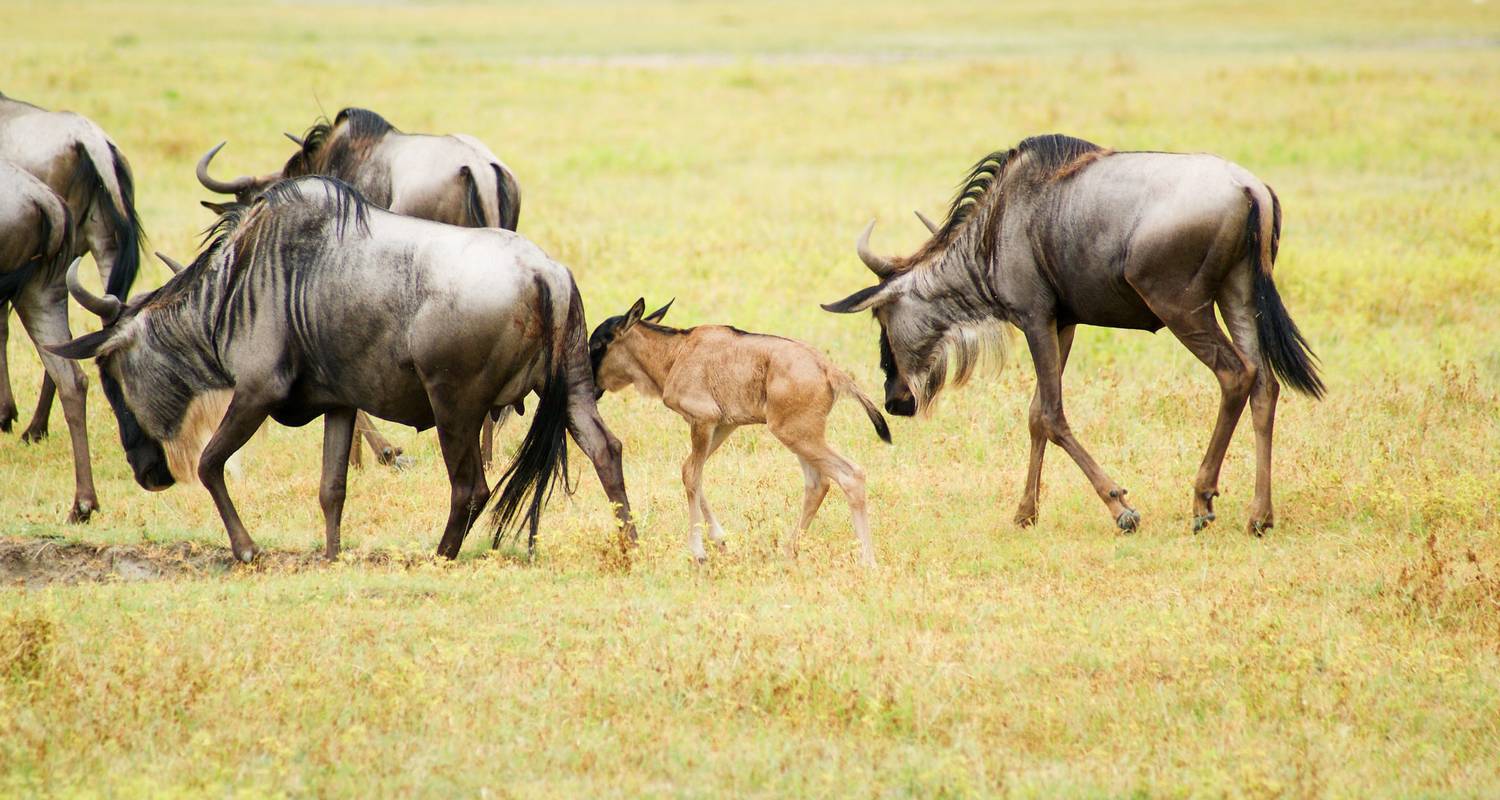
Early in the season, the migration herds are often in the central and western Serengeti. By July to September they commonly move to the north, where river crossings sometimes take place. In October they may begin returning south.
These movements are broad patterns, not schedules, and your guide will adapt to the latest reports.
Because the animals are easier to find, many first-time visitors choose these months. Repeat visitors sometimes prefer the shoulder weeks at either end, when the landscape feels less crowded.
- June: lush grass drying out, fewer crowds
- July and August: peak travel, possible crossings
- September: warm and settled
- October: transition towards the short rains
Parks beyond the Serengeti
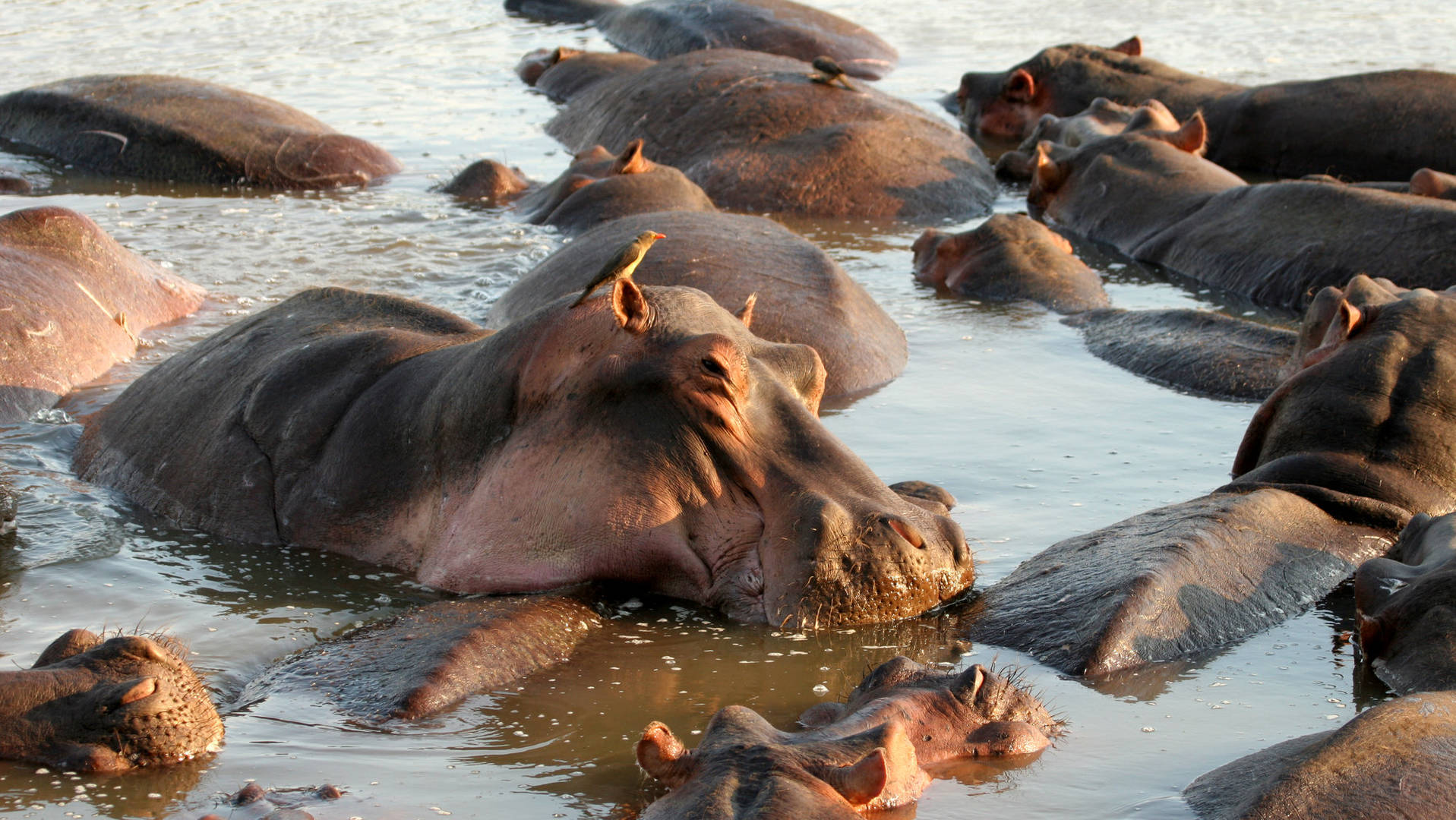
Tarangire shines in the dry months, with elephants and other animals concentrated along the river. The Ngorongoro Crater offers a dependable mix at any time, and Lake Manyara adds hippos and birds. Southern parks such as Nyerere and Ruaha are also popular in the dry months for those with extra time.
Combining parks lets you see different habitats in one trip.
Travelling with children or on a tight schedule
Because dry-season weather is predictable, it suits families and travellers with fixed holiday dates. Game drives are less likely to be interrupted, and roads are generally easier. Even so, long drives can tire children, so a fly-in option or shorter days may be worthwhile.
If your schedule is tight, choose fewer parks and spend longer in each. Two or three destinations, with enough nights, tend to feel better than a rushed tour of many.
Booking in a busy season
Popular camps and lodges fill early, so enquire as soon as your dates are known. Private vehicles and early starts help you avoid crowds at busy sightings.
We tailor every itinerary to your dates and budget; ask us for a current quote. Check current official requirements for visas, health and park rules.
Related pages on our site
- Best time to visit Tanzania
- Tanzania safari in August
- Wildebeest migration safaris
- Photographic safaris
- Tarangire National Park
Frequently asked questions
Which dry-season month is best?
It depends on what you want. July to September is often chosen for northern Serengeti viewing, while June and October can be quieter. Your priorities and your dates matter more than a single best month.
Do I need warm clothes in the dry season?
Yes, for early mornings and evenings, especially at altitude and in open vehicles. Days can be warm, so layers work best. A fleece, a windproof jacket, a hat and gloves for dawn drives are all useful.
Is the dry season good for photography?
Many photographers like the clear light and easier visibility, though dust can be an issue on the tracks. Protect your equipment with covers and lens cloths, and ask your guide to position the vehicle for good light.
Is the dry season too busy?
It can feel busy in the most popular areas, particularly at well-known sightings. Choosing less crowded areas, early starts and a private vehicle can improve the experience, and we can suggest alternatives to the busiest hubs.