Good wildlife photography is about time, light and patience far more than equipment. A photographic safari in Tanzania is built to give you all three: a private vehicle, early starts, and permission to sit with an animal until the moment arrives. Here is how photographers can shape an itinerary to come home with images they are proud of. Everything here is about giving you better chances of a great frame.
Time and vehicle setup
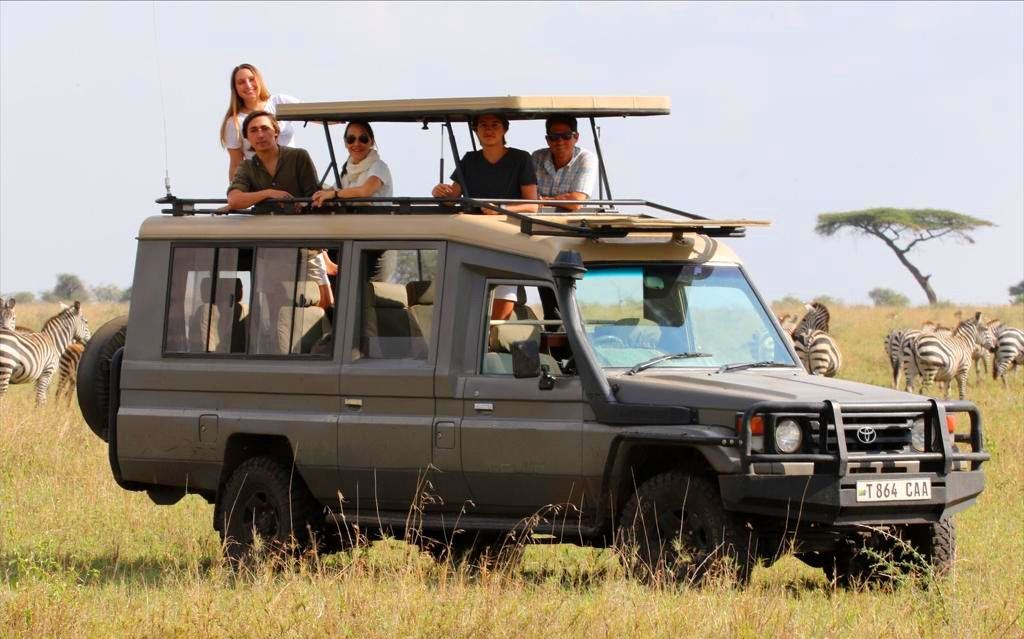
A private vehicle is almost essential for serious photography. You control how long to stay, can reposition for the light, and are not competing for window space. Ask about an open roof, bean bags and enough room to move.
Fewer guests per vehicle means more room for lenses.
If you are shooting for a project or a portfolio, tell us up front. We can recommend longer stays in fewer locations, early gate entries where allowed, and a guide who understands the needs of photographers, including positioning and patience.
- Private vehicle
- Roof or window space for every photographer
- Bean bags or supports
- Charging options
Choose parks for the light and the subject
The Serengeti offers wide landscapes, big cats and, in season, migration scenes. Ngorongoro Crater has dramatic backdrops and compact wildlife density. Tarangire gives elephants and baobab silhouettes, especially in the drier months.
Fewer, longer stays usually produce better pictures than a rushed tour.
If you can, spend several nights in each location. Repeated visits to the same area reveal where animals rest, hunt and drink, and your guide can use that knowledge to position the vehicle sooner on each new morning.
Work with the light
Early morning and late afternoon provide the soft, warm light photographers prefer. Midday is harsh, so plan rest or lodge time then. Dust can be a problem for gear, so bring cloths and covers.
Talk to your guide about positioning. A skilled guide reads animal behaviour and places you ahead of the action.
Kit and practical advice
Bring spare batteries, extra memory cards and a lens cloth. A long lens is useful, but a mid-range zoom often captures more usable frames. Check airline limits for camera gear and keep it in carry-on.
We tailor it to your dates and budget; ask us for a current quote.
Ethics and etiquette
Good photographers respect wildlife. Keep your distance, never encourage animals to approach, and follow park rules on off-road driving and noise. A calm, patient approach produces natural behaviour and better images.
Respect people too. Ask permission before photographing individuals during cultural visits, and be sensitive about how images are shared.
- Keep a safe distance
- Follow park rules
- Ask before photographing people
Related pages on our site
- photographic safaris
- wildebeest migration safaris
- Ngorongoro Crater
- protecting gear from dust
- cheetahs of the Serengeti
Frequently asked questions
What lens do I need for safari photography?
A telephoto zoom in the 100-400 range is popular, with a wider lens for landscapes. Many photographers carry two bodies to avoid changing lenses in dust. Lens choice also depends on your camera body. Ask us what kit suits your plans.
Is a private vehicle really necessary?
It is strongly recommended. You can stay as long as you wish and choose the position. Shared vehicles require compromise that may frustrate photographers. Ask for a vehicle with plenty of room.
When is the best time for wildlife photography?
Dry months often give clear views and animals near water, while the green season offers dramatic skies and fresh landscapes. The best choice depends on your subjects. Shoot early and late for the best light.
Should I bring a tripod?
Tripods are awkward in a vehicle. Bean bags and window mounts are more practical. A monopod can help if there is space, but check with us first. We can discuss gear in detail.