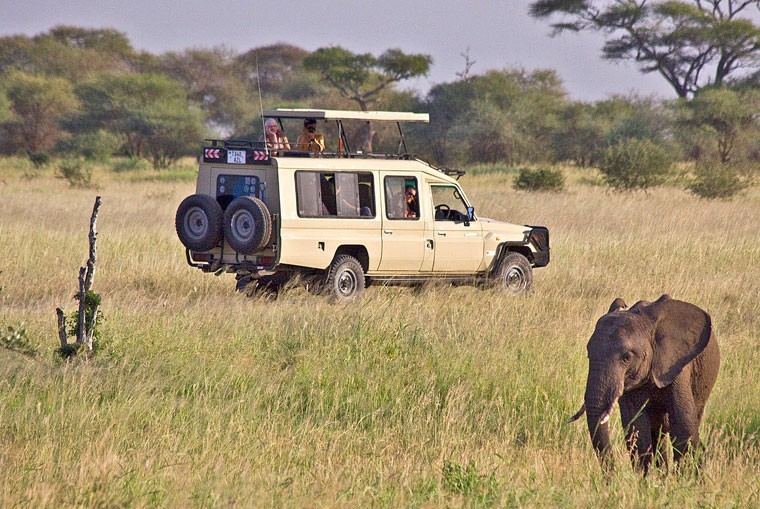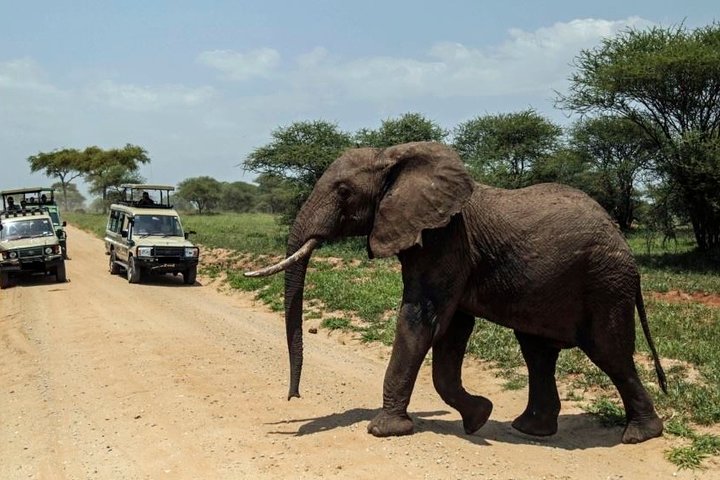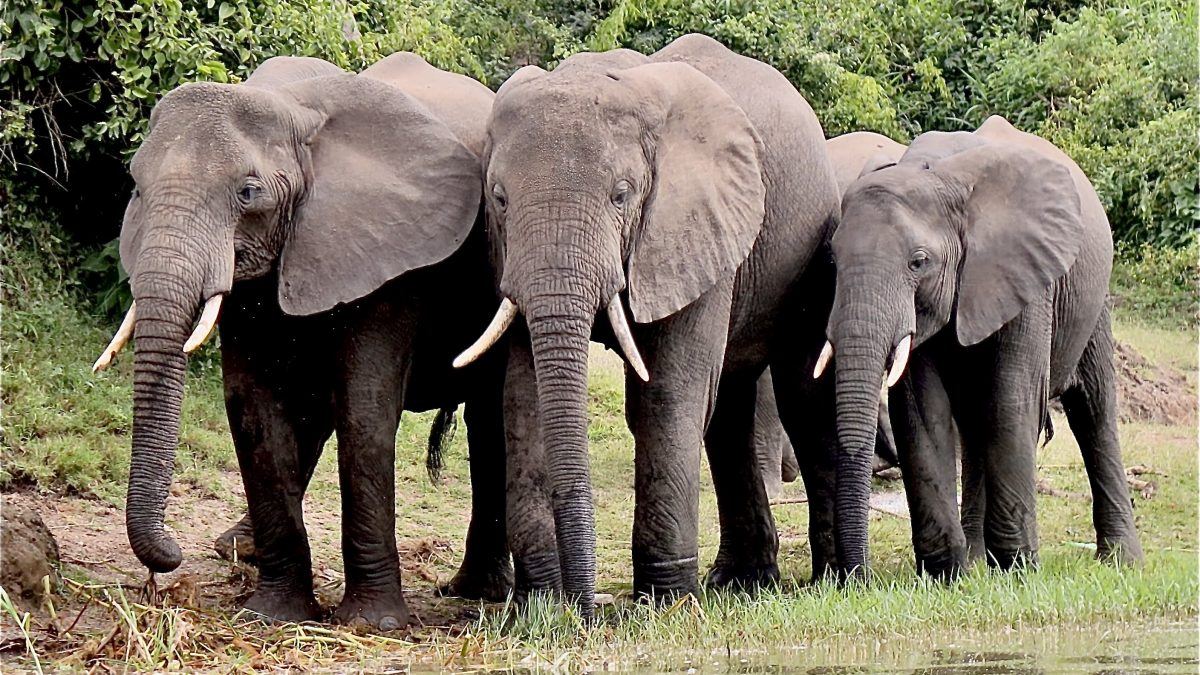
British travellers often start with a question about timing: when is the right moment to leave, and how long is worth taking? The answer depends on whether you are drawn to the Serengeti plains, the Ngorongoro Crater, or a quieter southern park. This page covers how UK guests typically arrive, how school holidays and bank holiday weekends affect planning, and how our Arusha team arranges everything on the ground once you land.
Getting to northern Tanzania
International flights from Europe usually arrive at Kilimanjaro International Airport (JRO) or at Dar es Salaam. We do not quote routes, airlines or journey times because they change; use a current flight search to compare. Once you share your arrival, we plan ground logistics: pickup, transfer to Arusha and your first night's rest.
The usual gateway for British travellers is Kilimanjaro International Airport, which puts you close to Arusha and the northern parks. Arriving there means you can start your safari soon after landing, without a long additional journey. If your route lands in Dar es Salaam instead, we can talk through domestic connections and road options so that the plan stays sensible and you do not lose days to avoidable transfers.
School holidays and peak periods
If you travel in a UK school holiday, book early. Popular travel windows fill up, and the best accommodation in the busiest parks is limited. Seasons within Tanzania also matter: wildlife viewing and weather vary through the year, and we hedge any promises because conditions shift.
Our best time to visit guide explains the general pattern, and we can talk through the trade-offs for your dates.
- Plan flexible dates if you can
- Ask about quieter shoulder periods
- Combine a safari with a beach stay if you want to unwind
What a typical UK itinerary looks like
Many British guests choose a private safari that links the Serengeti with Ngorongoro, often with Tarangire or Lake Manyara on the way. Others prefer a family safari, a honeymoon with a Zanzibar finish, or a Kilimanjaro climb followed by wildlife.
These are typical shapes of trip, not fixed products. We tailor each one to your dates and budget; ask us for a current quote.
British guests often ask whether a long weekend can work. Realistically, a very short trip leaves little time to settle in, so we usually suggest allowing more days if you can. If you can only take a limited break, we can discuss a fly-in option or a focused visit to a single region so that you spend your time watching wildlife rather than travelling.
Before you travel
Check current entry requirements, health advice and insurance cover with official UK and Tanzanian sources, since rules change. Pack layers, sun protection and a soft bag.
Finally, think about the season you are leaving behind. British travellers often escape a grey winter or take a summer break, and the clothing needs differ. Early mornings on the plains can be surprisingly cool, and days warm up quickly. A light waterproof, a fleece and sun protection cover most situations. We share a packing guide once you have confirmed so that nothing important is forgotten.
Related pages on our site
- Best time to visit Tanzania
- Family safaris in Tanzania
- Browse Tanzania safari tours
- Ask for a tailored quote
Frequently asked questions
Do I need to arrange my own transfers from the airport?
No. Send us your flight details and we arrange pickup and the transfer to Arusha, plus your first accommodation night if you want us to plan it. Your driver will carry a sign with your name and stay in touch if your flight is delayed.
Is it better to book a safari from the UK or on arrival?
Booking ahead is strongly advised, especially for school holidays, because good vehicles, guides and accommodation are limited. Planning in advance also lets us tailor the route to you. If your dates are fixed by school terms, tell us at the first message so we can check availability promptly.
Can we travel as a family from the UK?
Yes. We plan family safaris with a pace and activities suited to children, and we can advise on what is sensible for different ages. We can also suggest park activities, rest breaks and lodging layouts that work for both toddlers and teenagers.