January and February are warm, bright months in northern Tanzania, and in most years the wildebeest herds are on the short-grass plains of the southern Serengeti and the Ndutu area, where calving usually takes place. That means newborn animals and the predators that follow them. This page explains what conditions are typically like, which parks suit these months, and how to plan a trip that matches your dates. Whether you want newborn animals, warm weather or a quieter spell after the festive rush, the practical advice below will help.
Why these two months suit wildlife lovers
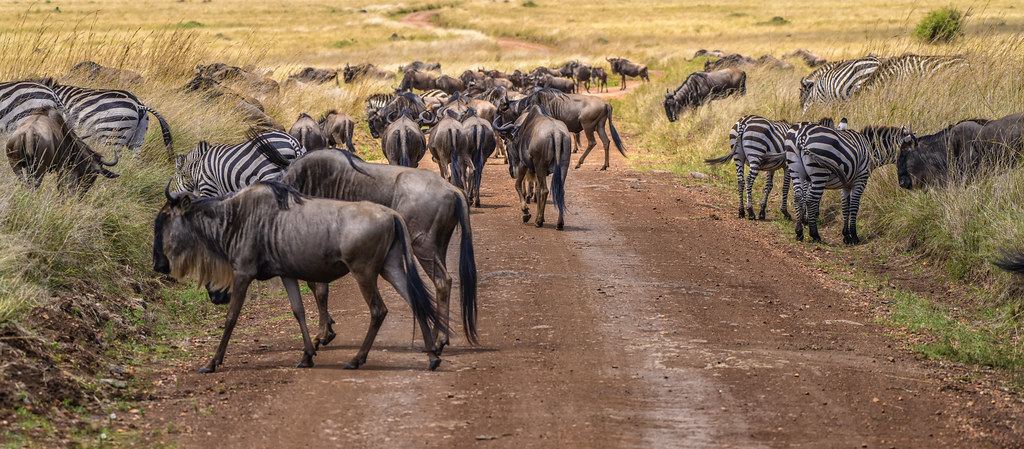
The southern Serengeti plains are usually the centre of attention at this time of year. Large herds gather on the nutrient-rich short grass, and calving often peaks in the early weeks of the year. In most years you can expect plenty of young animals, and with them lions, hyenas and cheetahs hunting at the edge of the herds.
Not every day is dramatic, and the exact location of the herds depends on the rains. A good guide reads the latest movements and adjusts your plan, which is why we keep the route flexible.
Weather you can usually expect
These months are generally warm to hot in the day, with cooler mornings and evenings at higher altitude such as the Ngorongoro Highlands. Short, heavy showers are possible, and the landscape tends to look green rather than dusty. Rain patterns vary from year to year, so treat any forecast as a guide rather than a promise.
Dust is usually less of a problem than in the dry months, though tracks can be muddy after storms.
Newborn animals attract predators, so sightings can be intense but also hard to watch. Your guide will help you decide how long to stay at a kill or den, and will respect the animals' space. Keep in mind that wildlife is never on a timetable.
Parks to combine with the southern plains
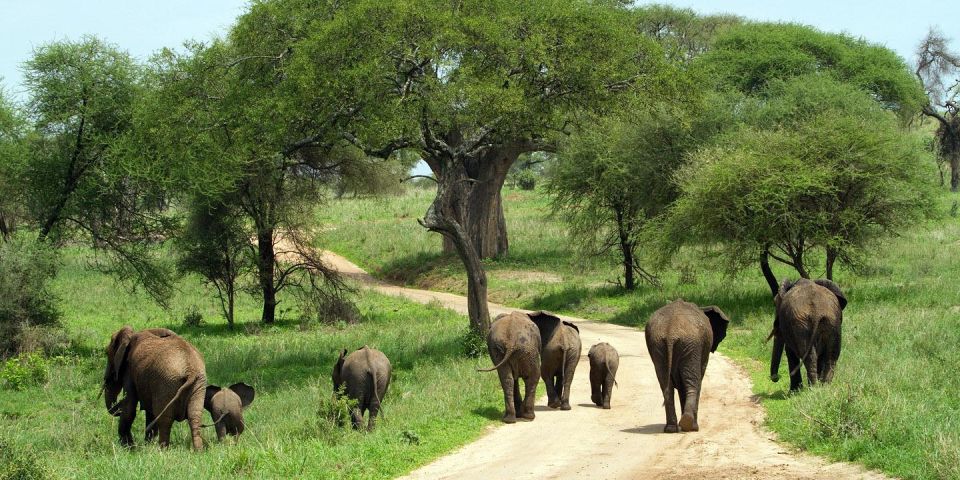
Many travellers pair the Serengeti with the Ngorongoro Crater, where resident wildlife can be seen year-round, and with Tarangire, whose elephants and baobabs are a highlight whenever you visit. Lake Manyara adds forest and bird life.
A typical itinerary for these months allows several nights in or near the southern Serengeti so you are not rushing between sites.
- Southern Serengeti and Ndutu for calving
- Ngorongoro Crater for resident wildlife
- Tarangire for elephants
- Lake Manyara for birds and forest
Who these months suit best
These months tend to suit travellers who love predator action and baby animals, and who do not mind the odd shower. Photographers enjoy the green backdrop and dramatic clouds, and families often like the warm temperatures.
If your priority is crossing a river with the herds, you will usually have a better chance in the later months of the year. For calving and the southern plains, however, this is a rewarding window. Tell us what matters most and we will shape the route around it.
Practical planning tips
These are popular weeks, particularly around the end-of-year holidays, so enquire early for the best choice of accommodation. We tailor each trip to your dates and budget; ask us for a current quote.
Bring layers, a rain jacket, sun protection and binoculars. Check current official requirements for visas, health and park rules before you travel.
Related pages on our site
- Serengeti wildebeest migration safaris
- Tanzania safari in January
- Ndutu migration safari
- Ngorongoro Crater
- Best time to visit Tanzania
Frequently asked questions
Is January or February better for the Serengeti?
Both are usually good for the southern Serengeti and the calving season. Many travellers favour late January through February, but the herds follow the rains rather than a calendar, so your guide will track current conditions and adjust the route as needed.
Will it rain during my safari?
Some rain is possible in either month, often as short showers rather than all-day downpours. Pack a light waterproof, protect your camera, and keep a little flexibility in your daily schedule so a passing storm does not spoil the plan.
How long should I stay in the southern Serengeti?
Three nights is a sensible minimum, so one quiet day does not define your visit. Longer stays let your guide follow the herds and predators as they move across the plains, and give you time to wait at promising sightings.
Can I climb Kilimanjaro in these months?
Yes, these are generally regarded as good months for a climb because clearer, drier spells are common on the mountain. Conditions still vary with altitude and weather, so read our climbing guidance and ask us about route options.