July is part of Tanzania's main dry season, and for many visitors it is the classic safari month. Days are usually sunny, mornings can be chilly, and wildlife tends to concentrate around remaining water. Because it is popular, planning ahead matters. Below you will find what July is typically like, where to go and how to enjoy it without the crowds taking over. It is rewarding, and a little preparation goes a long way. We also cover the practical points that make the trip smoother.
Weather and light
Skies are generally clear and rain is unusual, so game drives rarely get cancelled by weather. Mornings and evenings can be cold, especially in the Ngorongoro Highlands and on open vehicles, while midday can be warm.
The dry air means dust on the tracks, so a scarf and lens cloths are useful.
Wildlife patterns
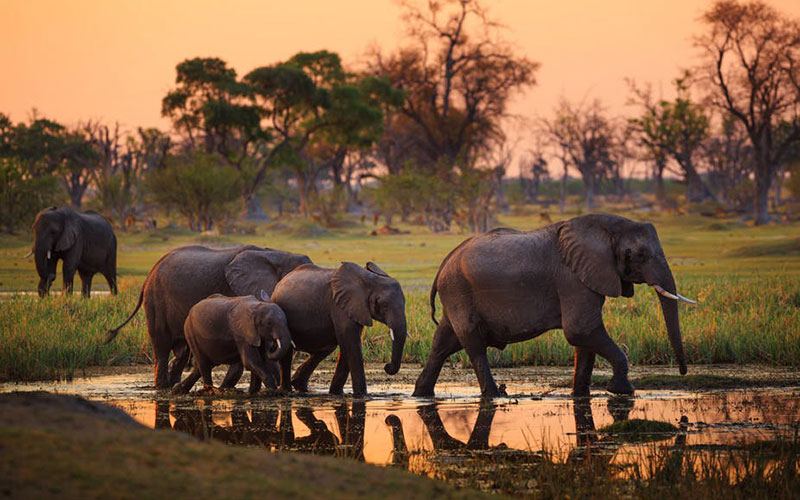
As grass dries, animals gather near rivers and waterholes, which helps spotting. Tarangire is often especially rewarding because elephants and other species tend to concentrate along the river.
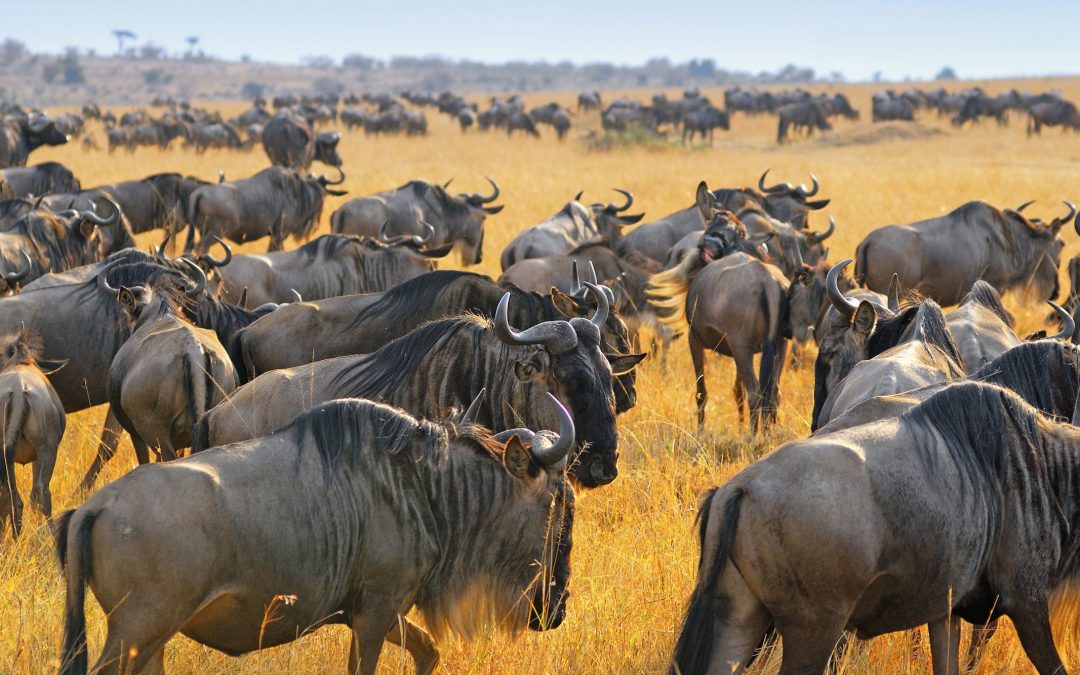
In the Serengeti, the migration herds are usually in the western and northern parts of the park around this period, and some years river crossings begin in the north. Timing depends on the rains, so no sighting can be promised.
Dry months also bring some of the best photography conditions, with clear air, long shadows and animals walking to water at predictable times. Ask your guide to position the vehicle with the light behind you.
Making the most of a busy month
Popular parks see more vehicles in July, so ask for early starts and spend longer in less-visited areas. A flexible guide can steer you towards quieter tracks.
Book early: accommodation can fill well ahead, and we tailor your itinerary to your dates and budget. Ask us for a current quote.
- Start game drives early
- Allow extra nights in the Serengeti
- Pair a famous park with a quieter one
- Ask about private vehicles
Choosing between the Serengeti, Tarangire and Ngorongoro
The Serengeti is vast, and where you stay shapes what you see. The western and northern areas are often considered for migration activity at this time, while the central region has year-round predator interest. Tarangire is outstanding for elephants when water is scarce elsewhere.
The Ngorongoro Crater is almost always worth a morning because the animals live inside the caldera year-round, though it receives many vehicles in the dry season. Starting early helps. A combination of two or three parks gives a more balanced experience than a single, long stay.
What to bring
Layers are the secret: a warm fleece or jacket for dawn, light clothing for midday, a hat, sunglasses and sunscreen. Pack binoculars and a camera with spare storage.
Check current official requirements for visas, health and park rules before travelling.
Related pages on our site
- Tanzania safari in June
- Best time to visit Tanzania
- Wildebeest migration safaris
- Tarangire National Park
Frequently asked questions
Is July the best month for a safari?
It is one of the most popular because of dry weather and good visibility. Whether it is best for you depends on your priorities, since it is also busier than other months and requires earlier booking for good accommodation.
Will I see river crossings in July?
Sometimes, depending on where the herds are and how the season unfolds. Crossings cannot be scheduled, so treat them as a possible highlight rather than a certainty, and enjoy the rest of the wildlife while you wait.
Is July cold in Tanzania?
Mornings and evenings can feel cold, especially at altitude and in open vehicles, while days are usually pleasantly warm. Bring a fleece or jacket, a hat and gloves for early starts, and lighter clothes for the middle of the day.
How far ahead should I book for July?
Because July is popular, earlier is better, ideally many months ahead. Contact us as soon as your dates are known and we will check availability and put together a current quote tailored to your plans.