March and April fall within the long rains in most years, which turns northern Tanzania vivid green and usually brings quieter parks. If you are happy to trade some sunshine for fewer vehicles and fresh landscapes, this can be a rewarding time to go. Here is an honest look at the weather, the wildlife and the practical points to consider before you choose these months. You will also find tips on staying comfortable and getting value from the quieter weeks.
What the long rains mean for your trip
The long rains usually build through March and peak around April, though timing shifts from year to year. Rain often arrives as afternoon or evening downpours, leaving mornings clearer, but there can also be several grey days in a row.
Some roads and tracks become slippery, and a few remote areas can be harder to reach. Your guide will adapt the route if needed, so build a little flexibility into your plans.
Wildlife in a green landscape
With water and grass everywhere, animals spread out rather than gather at rivers, and the vegetation can be taller, so spotting takes patience. In return you often see lively bird life, newborn animals among resident herds and dramatic skies for photography.
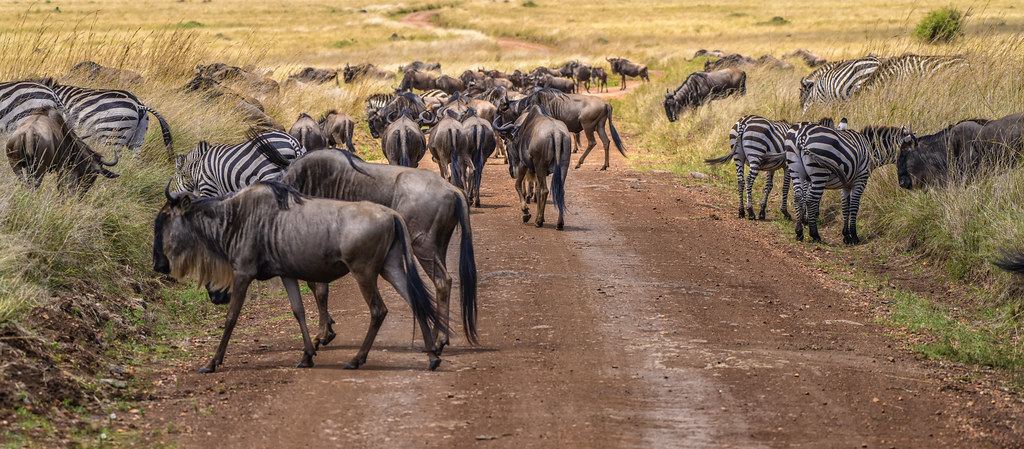
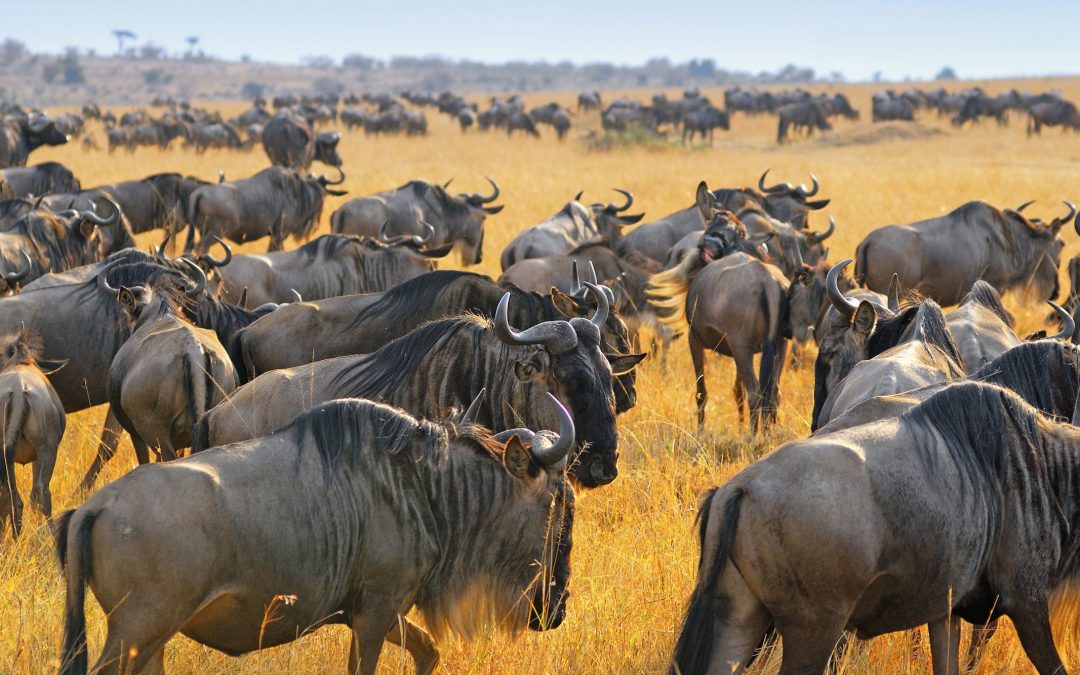
In most years the migration herds have left the southern plains by now and are heading north-west, so these months are not usually chosen for migration viewing.
Quiet parks also mean more patient, unhurried sightings. If an animal is nearby, you may have the whole scene to yourself, and your guide has more freedom to choose where to wait.
Choosing where to go
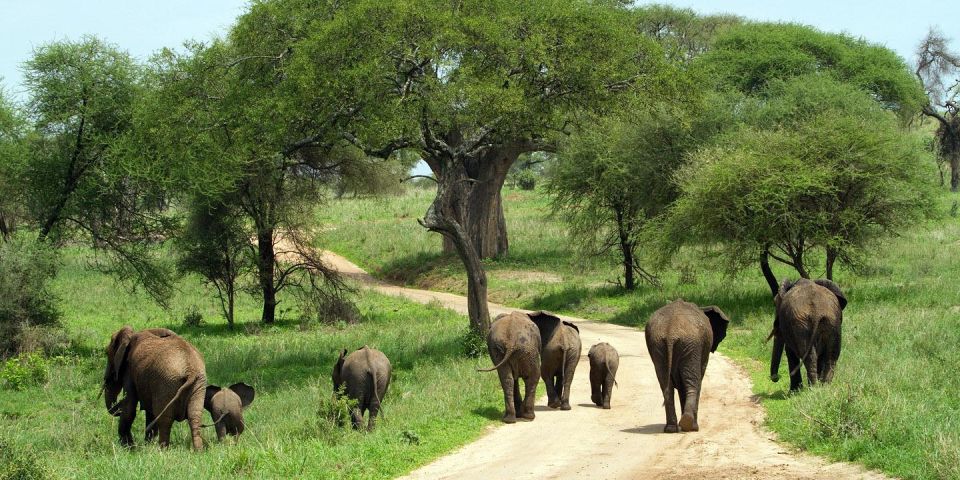
Parks with good year-round wildlife are a sensible choice. The Ngorongoro Crater floor holds animals in every season, and Tarangire and Lake Manyara still offer elephants, birds and scenery. Some camps and lodges operate reduced services or close in the wettest weeks, so we check availability for your dates.
Rates and availability vary at this time of year, and we do not promise anything in advance; ask us for a current quote.
- Ngorongoro Crater for reliable wildlife
- Tarangire for elephants and baobabs
- Lake Manyara for birds
- Shorter itineraries to keep travel manageable
Making the most of wet-season days
Plan game drives for early morning, when skies are often clearer, and use the middle of the day for rest, reading or a village visit. Afternoon storms can be dramatic and short, and many guests remember them fondly once they are over.
Pack extra socks, a spare layer and a waterproof cover for your camera. A flexible attitude is the single most useful item in your bag. Our team will check conditions closer to your travel date and tell you honestly if a particular route looks difficult.
What to pack and expect
Bring a waterproof jacket, quick-drying layers, sturdy shoes and dry bags for cameras and phones. Insect repellent is useful, and your doctor can advise on health precautions; check current official guidance before travelling.
Plan for flexibility and enjoy the quiet. Many travellers find the soft light and empty tracks the best part.
Related pages on our site
- Packing for the green season
- Tanzania safari tours
- Tarangire National Park
- Ngorongoro Crater
- Request a quote
Frequently asked questions
Is March or April too wet for a safari?
Not necessarily. Many travellers enjoy the green scenery and quiet parks, but you should expect regular rain and some muddy tracks. Flexible plans, good waterproofs and a guide who knows the area make a big difference to how comfortable the trip feels.
Will the migration be visible in these months?
In most years the herds have moved on from the southern plains by this time, so migration viewing is not the main reason to travel now. Resident wildlife remains excellent in several parks, and we can suggest areas that suit the season.
Do all lodges stay open in the rainy season?
Some properties reduce services or close for part of the long rains. We check what is open for your dates when preparing a quote and suggest alternatives if your first choice is unavailable, so you know the position before you commit.
Is it a good time for photography?
Many photographers love it for moody skies, saturated colours and clean air, though low light and rain mean you should protect your gear and choose lenses carefully. A rain cover and a few dry bags are inexpensive insurance.