November is the start of the short rains in most years, a time when dry plains turn green again and many animals prepare for the birthing season. It is a quieter month on safari, with a different kind of beauty. Read on to learn what to expect, how the rains usually behave and which parks make sense. It is a good month for travellers who enjoy a quieter, greener safari. Read on for practical advice on packing, parks and flexible planning.
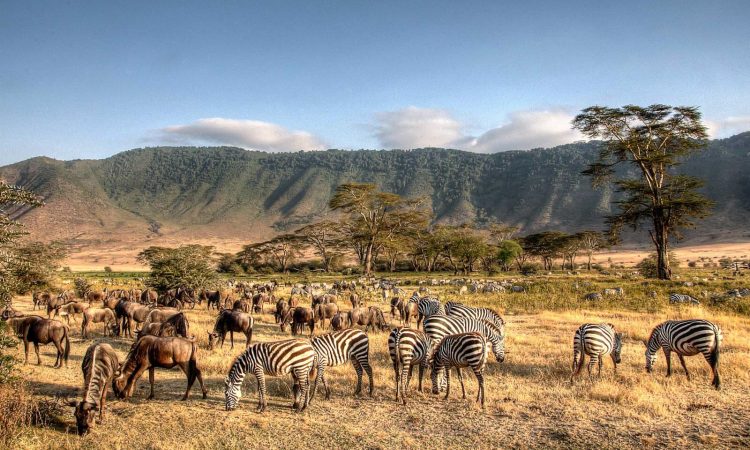
How the short rains behave
The short rains tend to be lighter and more intermittent than the long rains in March to May. They often come as storms in the afternoon, followed by bright evenings, though some years bring longer wet spells.
Temperatures are generally warm, and the landscape turns green quickly.
Wildlife and birds
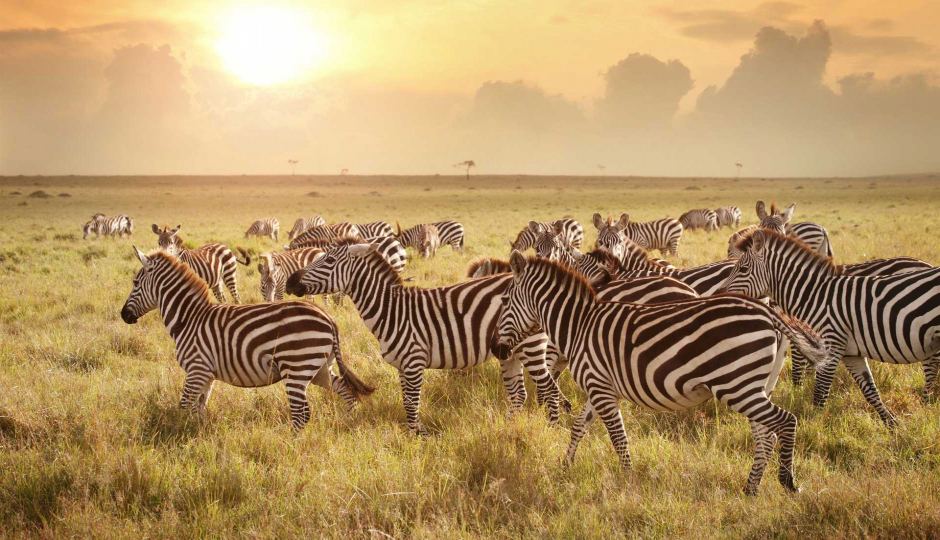
In many years the migration herds move onto the southern Serengeti plains around this time, following new grass. Calving usually follows later, so November is more about anticipation than the peak of newborns.
Migratory birds from the northern hemisphere often arrive around this time, adding colour at lakes and wetlands such as Lake Manyara.
Roads can be slick after storms, so allow extra travel time between parks and avoid squeezing connections too tightly. A relaxed itinerary is the safest way to enjoy the season.
- Herds heading to the southern plains
- Migratory birds arriving
- Green, fresh scenery
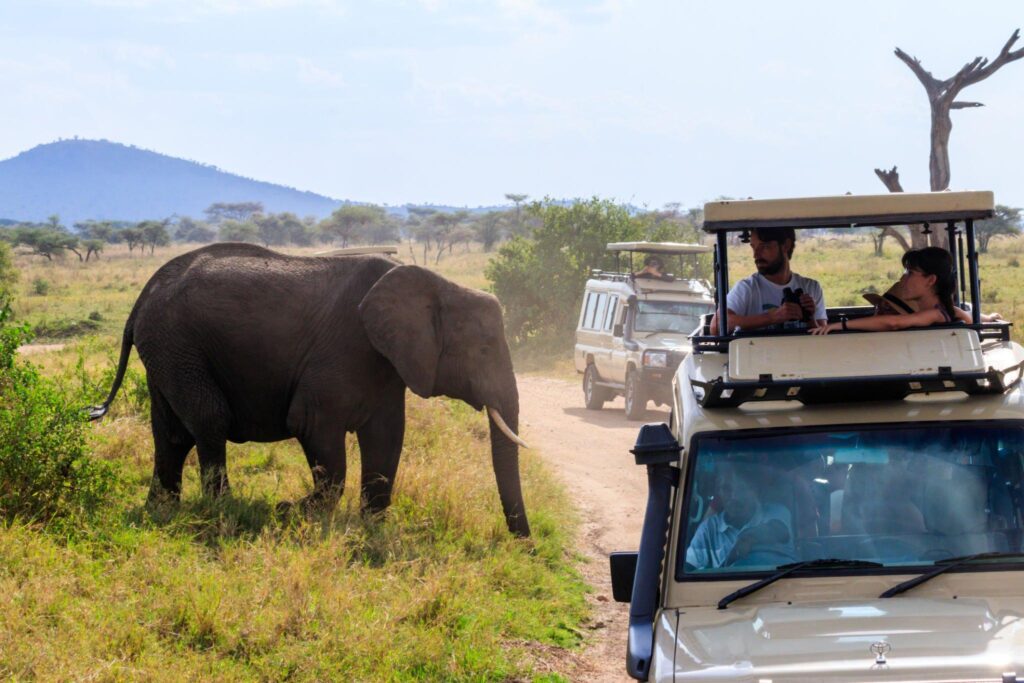
- Fewer vehicles at sightings
Park choices
The Ngorongoro Crater remains a reliable choice in any month. Tarangire is greener than in the dry season, and wildlife spreads out, so be patient. The southern Serengeti and Ndutu region can be appealing if the herds arrive early.
We keep your plan flexible so we can follow the herds and the weather.
Birds and photography in the green season
The first showers refresh the landscape, and photographers often appreciate the saturated colours and clean air. Birdwatchers can find migrants joining the resident species around lakes and wooded areas, including Lake Manyara and Tarangire.
Bring a rain cover for your camera and be ready for changing light. Many of the best photographs come in the minutes after a storm passes, when the light turns golden and animals become active again.
Practical planning
Availability and rates vary across the shoulder months; we tailor each trip to your dates and budget, so ask us for a current quote.
Pack a waterproof jacket, insect repellent, sun protection and binoculars. Check current official requirements for visas, health and park rules.
Related pages on our site
- Packing for the green season
- Best time to climb Kilimanjaro
- Ndutu migration safari
- Lake Manyara National Park
Frequently asked questions
Is November a bad time for safari?
Not at all, though you should expect some rain. Many people enjoy the green scenery, migratory birds and quieter roads. The key is flexible planning and a waterproof layer, so that a passing shower becomes part of the experience.
Will I see the wildebeest in November?
Often they are moving towards the southern plains, but timing depends on the rains. We cannot promise a particular location, though your guide will follow current movements and advise you before you travel.
Can I climb Kilimanjaro in November?
Some climbers do, accepting a higher chance of rain and cloud on the lower slopes. Conditions vary, so read our climbing guidance for seasonal advice and ask us to suggest a route that suits you.
Is November cheaper than other months?
Rates and availability vary across the year, so we cannot promise this. Send us your dates and we will prepare a current quote tailored to your plans, and tell you plainly where flexibility could help.