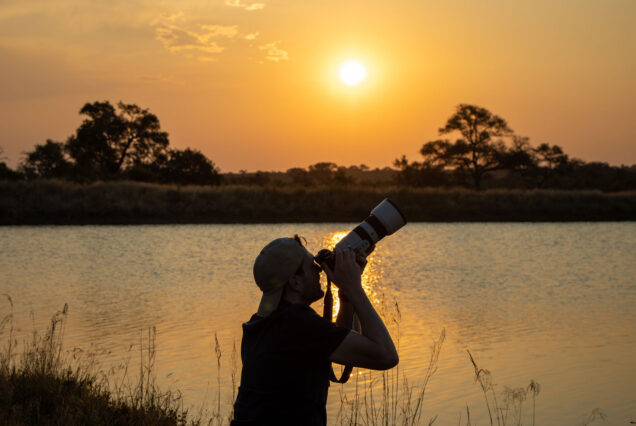
A smart approach to sleep, light and hydration on the long journey to Tanzania means you arrive ready to enjoy your first game drive.
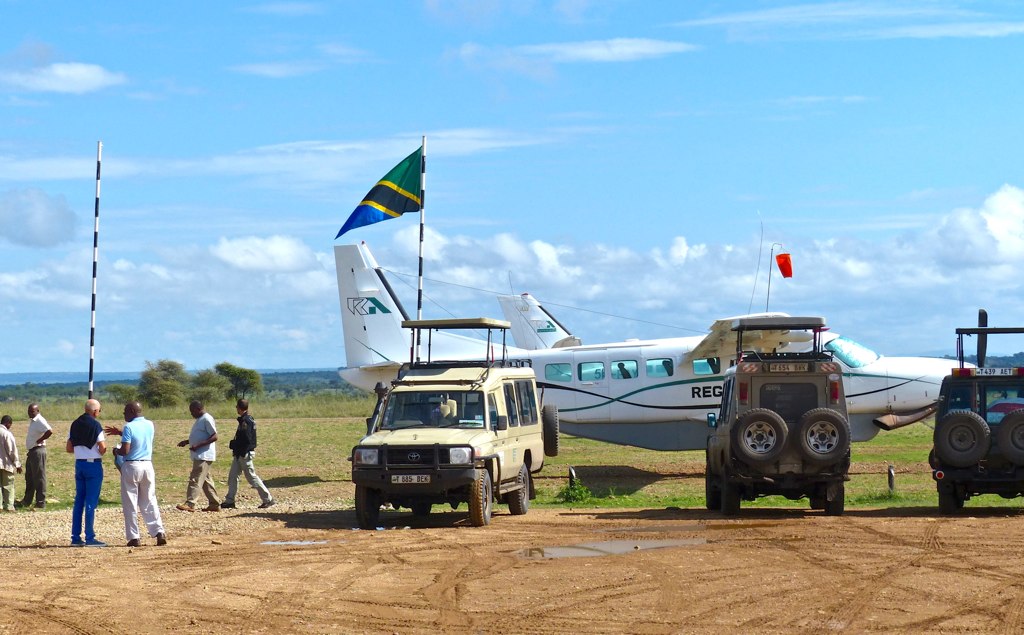
For most travelers from North America and Europe, reaching Tanzania means a long journey with at least one connection, often through a hub in Europe, the Middle East or elsewhere in Africa. You can arrive tired, dehydrated and on a different clock from the one your safari will follow.
Tanzania runs on East Africa Time, three hours ahead of UTC, with no daylight saving changes. Travelers from Europe face only a modest shift, while those from the Americas cross many time zones. Either way, a few habits make a real difference.
Quick tips
- Switch your watch and phone to Tanzanian time when you board.
- Drink plenty of water and limit alcohol on the flight.
- Get outside in daylight on your first day in Tanzania.
- Avoid long naps after arrival so you sleep well that night.
- Plan an easy first day before a safari or climb.
Before you fly
Start nudging your sleep schedule a few days before departure, going to bed and waking a little earlier if you are flying east. Pack and finish errands early so you do not begin the journey exhausted.
If you have health conditions, or are considering sleep aids, speak to your doctor or a travel clinic beforehand. They can advise what suits you, as well as recommended vaccinations and antimalarial options.
On the plane
Set your watch to Tanzanian time as soon as you board, and try to sleep and eat according to that schedule rather than the cabin routine.
- Drink water regularly and go easy on alcohol and caffeine.
- Wear loose, layered clothing and comfortable socks.
- Walk the aisle and stretch every couple of hours.
- Bring an eye mask, earplugs or noise-canceling headphones.
- Ask your doctor about compression socks for long flights.
Making the most of connections
A long layover is a chance to move. Walk the terminal, find natural light if it fits your new schedule and have a proper meal. If the layover is very long, some airports have rest areas or transit hotels that are worth the cost.
Itineraries with very short connections save time on paper but add stress if your first flight is delayed. A slightly longer layover is often better.
Your first day in Tanzania
Daylight is one of the most effective tools for resetting your body clock. Spend time outdoors in the morning or afternoon, eat meals at local times and resist a long nap. If you must rest, keep it short.
We like to keep the first day of an itinerary gentle. A relaxed afternoon in a garden lodge, or a short visit to a coffee farm, is better than heading straight into a long drive. Our team at Ndovu African Expeditions builds this breathing room into arrivals where possible.
Special notes for trekkers
Jet lag and altitude are a demanding combination. If you are climbing Kilimanjaro or Mount Meru, allow at least one full rest day before the trek. Good sleep in the days before the climb helps you cope with the early starts and the effort ahead.
Safari days also start early, often before sunrise, to catch animals at their most active. That rhythm can actually work in your favor if you are flying from the Americas, since your body may already want to wake early. Lean into it, go to bed soon after dinner and enjoy the dawn light.
Coming home
Jet lag often hits harder on the return journey, especially flying west. Try to book a flight that lets you sleep at a normal time on the first night home, and allow a buffer day before returning to work if you can.
Frequently asked questions
What time zone is Tanzania in?
Tanzania uses East Africa Time, three hours ahead of UTC. There is no daylight saving, so the difference from Europe and North America changes when those regions switch clocks.
How long does it take to get over jet lag?
It varies by person and by how many time zones you cross. Many travelers feel settled within a few days, especially if they follow local daylight and meal times.
Should I start my safari the day after I arrive?
That works for many people, but a rest day is wise after a very long journey or before a mountain trek. We can help you plan the right pace.