The Serengeti's open plains are some of the best cheetah country in Africa; here is where to find these sprinters and how to watch them responsibly.

Watching a cheetah sit upright on a termite mound, scanning a sea of grass for gazelles, is one of the quiet highlights of a Serengeti safari. Unlike leopards, cheetahs hunt by day and favor open country, which makes them easier to observe once you know where to search. Seeing one actually sprint, however, takes a mix of patience, timing and good fortune.
The Ndovu African Expeditions guides spend a lot of time on the plains, and the advice below reflects how we track cheetahs down and how we try to watch them without interfering in their already difficult lives.
Quick tips
- Plan a few days in the southern or central Serengeti if cheetahs are a priority.
- Scan termite mounds and kopjes, where cheetahs climb to look for prey.
- Head out early, since cheetahs often hunt in the cooler morning hours.
- Set your camera to a fast shutter speed before a stalk begins.
- Ask your guide to hold back during hunts rather than chasing a better angle.
Why the Serengeti Suits Cheetahs
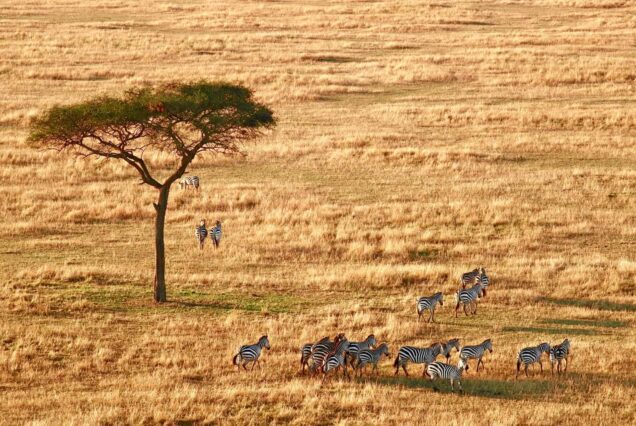
Cheetahs are built for speed, not strength. They need wide, open ground where they can see prey from a distance and then close the gap in a short burst. The short-grass plains of the southern Serengeti and the Ndutu area provide exactly that, along with plenty of Thomson's gazelles, one of their main prey species.
Because they are lightly built, cheetahs often lose kills to lions and hyenas. They tend to do best where they can see trouble coming, which is another reason open plains and scattered kopjes are such reliable habitat.
Best Areas and Seasons
During the green season, roughly December to March, the southern plains around Ndutu fill with grazing herds and cheetahs are commonly seen there. This overlaps with the wildebeest calving period, roughly January to March, when young animals are abundant. The central Serengeti around Seronera holds cheetahs throughout the year, and the Gol kopjes and open grasslands to the east are also worth exploring when conditions allow.
In the drier months, cheetahs are still around, but they may be more spread out. Your guide will adjust the route based on recent sightings and where the gazelles are concentrated.
How Guides Find Cheetahs
A good cheetah search involves slow drives across open country with frequent stops to scan with binoculars. Cheetahs often use raised points to look around, so guides check termite mounds, fallen trees and the tops of kopjes. Gazelles standing alert and staring in one direction are another strong clue.
- Look for a slim, upright cat silhouette on any raised ground
- Watch for the black tear lines running from eye to mouth
- Notice small groups, which may be a mother with cubs or a coalition of brothers
- Check shaded bushes at midday, where cheetahs rest after the morning hunt
Watching a Hunt Responsibly
Cheetahs mostly hunt in the cooler morning and late afternoon. If your guide sees a cat begin to stalk, the vehicle should stay well back and out of its line of approach. A car in the wrong place can alert prey or block a chase, and a failed hunt costs a cheetah precious energy.
We ask guests to keep voices low and resist asking the driver to reposition during a stalk. The best view of a chase usually comes from staying put with a wide field of vision. Have your camera set for fast action beforehand, because the sprint itself is over in seconds.
Respecting Space After a Kill
After a successful hunt, a cheetah needs several minutes to recover its breath before eating, and it will eat quickly while watching for lions and hyenas. Crowding vehicles around a feeding cheetah increases its stress and can draw the attention of competitors. Our guides keep a respectful distance and limit time at busy sightings so other vehicles get a turn without hemming the animal in.
Frequently asked questions
When is the best time to see cheetahs in the Serengeti?
Cheetahs live in the Serengeti year-round, but the green season around Ndutu, roughly December to March, is especially productive. Central Serengeti offers good chances in most months.
Will I see a cheetah chase?
Many visitors see cheetahs resting or scanning, but a full hunt is far less common. Spending longer at a sighting with an alert cat improves your chances.
Do cheetahs really jump on safari vehicles?
It occasionally happens when a cheetah uses a vehicle as a lookout point. If it does, stay calm, quiet and seated, keep hands inside, and follow your guide's instructions.