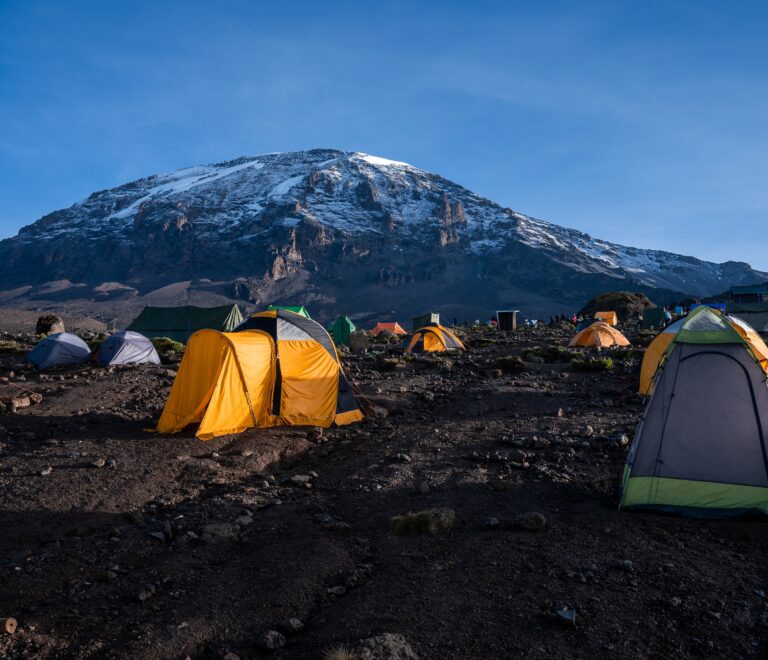
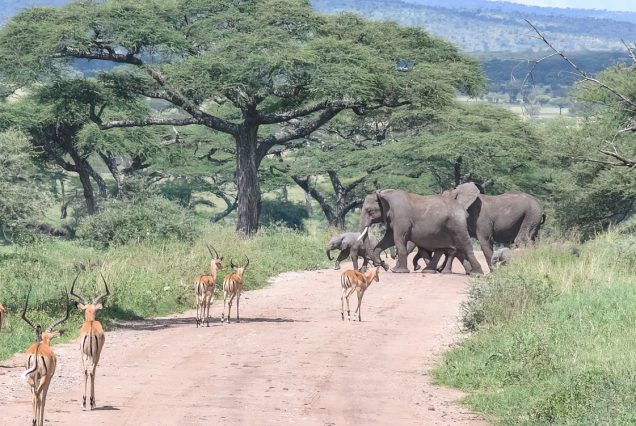
Seven days is enough to experience Tarangire, the Serengeti and Ngorongoro Crater well, especially when the route is matched to the season and the migration.

A week is a sweet spot for a first Tanzania safari. It gives you enough time to see the northern circuit's headline parks without feeling rushed, and it leaves room to extend with Zanzibar or a Kilimanjaro trek if you have more time.
Below are sample routes our team in Arusha often uses as starting points. Every trip is tailored, but these show how a week can be structured.
Quick tips
- Choose the Serengeti area for your nights based on your travel month.
- Spend at least two nights in the Serengeti to avoid a rushed visit.
- Consider flying one leg to cut down on long road transfers.
- Build in a rest day after a long international flight.
- Visit Ngorongoro Crater early in the morning for quieter viewing.
A classic 7-day route
This version balances variety and driving time, and works well for most of the year:
On this route, Tarangire is usually best in the dry months, when elephants gather along the river. In the green season, you might swap it for Lake Manyara, whose forest and lakeshore make a scenic stop on the way to the highlands.
- Day 1: Arrive at Kilimanjaro International Airport and rest in Arusha
- Day 2: Drive to Tarangire for a full day among elephants and baobabs
- Day 3: Continue via Lake Manyara or the Karatu highlands toward the Serengeti
- Day 4: Full day in the central Serengeti
- Day 5: Another Serengeti day, following the season's best areas
- Day 6: Drive to the Ngorongoro Crater rim with game viewing en route
- Day 7: Descend into the crater, then return to Arusha or the airport
Seasonal variation: following the migration
Adjust the Serengeti nights to the herds. From roughly January to March, spend them in the Ndutu or southern Serengeti area for calving season. Around June, the central and western Serengeti are often best. From roughly July to October, the northern Serengeti is the place for Mara River crossings, though the long drive means flying one way is often worth considering.
A slower, fly-in variation
To reduce time on rough roads, drive from Arusha to Tarangire and Ngorongoro, then continue to the Serengeti and fly back to Arusha at the end. Alternatively, fly straight into the Serengeti and finish with a drive out through Ngorongoro. Fly-in itineraries cost more but give you extra hours in the parks.
Another option for keen photographers is to drop Tarangire and spend four nights in the Serengeti, splitting them between two areas. Fewer parks means more time watching behavior instead of covering distance.
Pacing tips for a one-week safari
Try to avoid single-night stops in the Serengeti. Two or three nights give you a full day without packing, and they let your guide search for wildlife instead of keeping to a transfer schedule.
Plan for a rest day on arrival if you have a long international flight, especially with an evening landing at Kilimanjaro International Airport. Starting fresh makes a real difference to the first game drives.
Remember that game viewing is not only about the big names. Our guides enjoy pointing out birds, smaller mammals and the plants that shape each ecosystem, so ask questions and let the slower moments count too.
Extending your week
If you have extra days, popular add-ons include Zanzibar for beach time, a walk or canoe trip in Arusha National Park, a cultural visit in the highlands or a few days in southern Tanzania. Ndovu African Expeditions can also combine a safari with a Kilimanjaro or Mount Meru climb.
Frequently asked questions
Is seven days enough for a Tanzania safari?
Yes. A week lets you visit Tarangire, the Serengeti and Ngorongoro Crater at a comfortable pace, especially if you avoid one-night stops.
Should I drive or fly on a 7-day safari?
Driving is more affordable and scenic, while flying saves time on long routes. Many guests mix both, driving in and flying out of the Serengeti.
Can I add Zanzibar to a one-week safari?
Yes, many travelers add four to six nights on Zanzibar after the safari. Remember Zanzibar requires mandatory inbound travel insurance for visitors.