Want your Tanzania trip to do good? Here is how to give thoughtfully, support local people fairly and avoid well-meant habits that can cause harm.
Almost every traveler who visits Tanzania leaves wanting to help in some way. The landscapes are unforgettable, but it is the warmth of the people that stays with you, and it is natural to want to give something back.
Good intentions can still have unintended effects, though. Our team in Arusha sees both the wonderful and the problematic sides of tourism every season, and this guide shares how to make your generosity and your travel choices genuinely positive.
Quick tips
- Give greetings and conversation to children, not sweets, pens or cash.
- Donate supplies through teachers or registered organizations rather than individuals on the roadside.
- Research any charity before giving, and look for transparent reporting.
- Skip orphanage visits and support family-based care programs instead.
- Buy crafts directly from makers and tip service staff fairly and personally.
Why Not to Hand Out Sweets, Pens or Money
Giving sweets, pens, coins or small gifts directly to children from a vehicle window feels kind, but it encourages kids to run toward roads, miss school to wait for tourists and see visitors as a source of handouts. Sweets also add to dental problems where dental care can be hard to access.
A smile, a wave and a greeting such as jambo or habari are far better gifts in passing. If you want to give school supplies, hand them to a teacher, school or community organization that can distribute them fairly.
Supporting Vetted Projects
Structured giving through established local organizations makes a lasting difference. Before donating, ask:
- Is the project led or guided by local people and community needs?
- Can it explain clearly how donations are used and reported?
- Does it focus on long-term outcomes such as education, health, water or livelihoods?
- Does it protect the privacy and dignity of the people it serves?
Avoiding Orphanage Tourism
Child protection experts widely advise against short visits to orphanages or volunteering with vulnerable children without proper vetting and skills. Frequent changes of caregivers can harm children, and the demand from visitors can even encourage institutions to keep children away from families.
If you care about children's welfare, support organizations that strengthen families, schools and community-based care instead. Ask us and we can point you toward appropriate options.
Spending Your Money Locally
Every purchase is a chance to support Tanzanian livelihoods. Choose locally owned operators, lodges that employ and train people from nearby communities, and crafts bought directly from artisans or cooperatives.
Tip guides, cooks, porters and lodge staff fairly and directly, ideally in an envelope at the end of their service. Expected amounts change over time, so ask your operator for current guidance rather than relying on outdated online figures.
Respecting Wildlife, Land and Culture
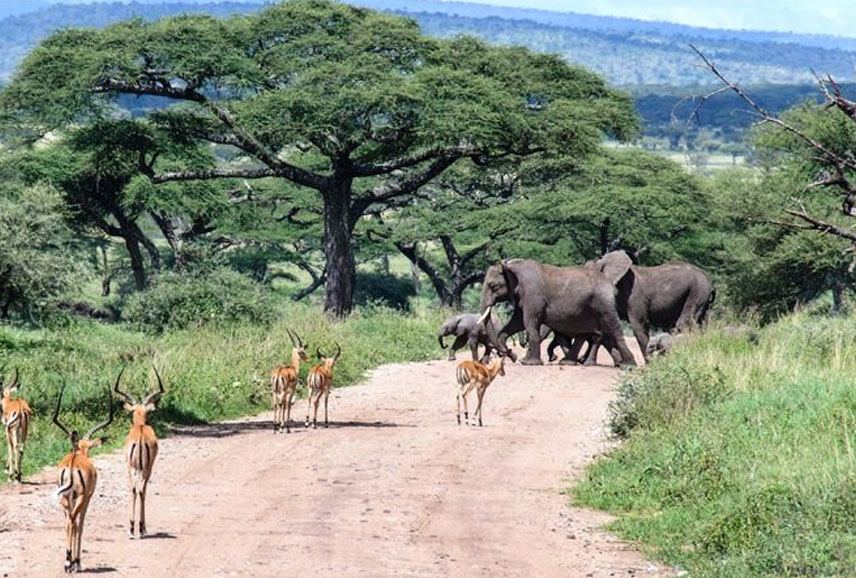
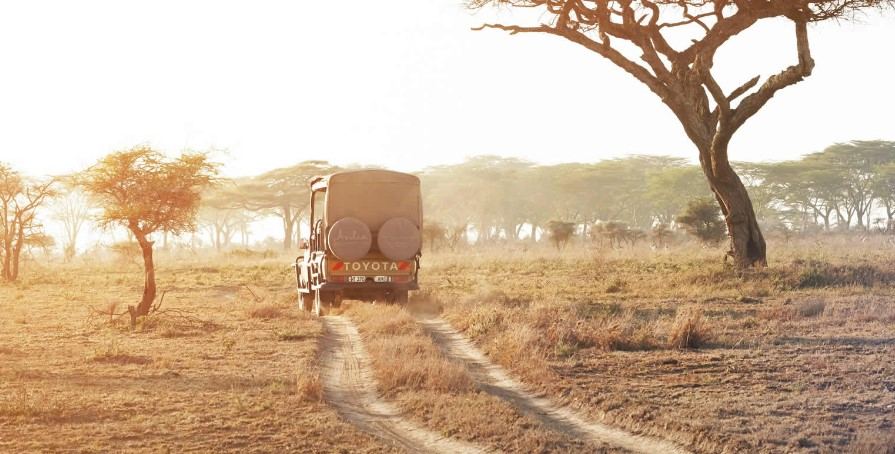
Responsible safari behavior includes staying on designated tracks, keeping noise low, never feeding animals and accepting that your guide will not crowd or chase wildlife for a photo. Tanzania has banned plastic bags since 2019, so pack reusable bags and refill a water bottle where possible.
Ask before photographing people, dress modestly in villages and on Zanzibar away from the beach, and remember that flying drones requires permits. Ndovu African Expeditions builds these principles into every trip, and our guides are always happy to explain why.
Frequently asked questions
Is it okay to bring school supplies to Tanzania?
Yes, if they go to a school or organization that has requested them and can distribute them fairly. Contact the project in advance to ask what is actually needed, since local purchasing can also support Tanzanian shops.
How can I find a trustworthy project to support?
Look for locally led organizations with clear goals, transparent finances and a long-term presence. Ask your operator, lodge or guide for recommendations, and avoid anyone pressuring you for on-the-spot donations.
Does responsible travel mean a less comfortable trip?
Not at all. It is mostly about choices: who you book with, how you give and how you behave around wildlife and people. Many of the most comfortable lodges are also leaders in community and conservation work.