Older travelers can enjoy a superb Tanzania safari with the right pacing, comfortable lodges, fewer long drives and some sensible health preparation before departure.
Age is no barrier to a wonderful safari in Tanzania. Many of our most enthusiastic guests are retirees who finally have the time to travel the way they want. What matters is designing the trip around comfort, energy levels and health needs.
Our team in Arusha builds senior-friendly safaris with a slower rhythm and fewer surprises. These are the factors we think about first.
Quick tips
- Stay at least two nights in each lodge to reduce packing and transfers.
- Consider flying between parks to avoid long rough drives.
- Tell us about mobility needs so we can request suitable rooms.
- Carry medications and prescription copies in your hand luggage.
- Buy travel insurance that includes medical evacuation.
Pace the itinerary sensibly
The biggest mistake is trying to see too much. Moving lodges every night means packing, unpacking and long transfers. We generally recommend two to three nights in each location, with at least one relaxed afternoon to rest at the lodge.
Game drives can be adjusted too. Not every day needs a dawn start, and a mid-morning return for lunch and a rest is perfectly normal on a private safari.
It also helps to schedule the trip so your first full day after a long-haul flight is gentle. A night or two in Arusha before heading into the parks lets you recover from jet lag and travel fatigue.
Understand the roads
Some roads in the northern circuit are rough, corrugated or dusty, particularly inside the Serengeti and on the descent into Ngorongoro Crater. Long stretches can be tiring and hard on backs and joints.
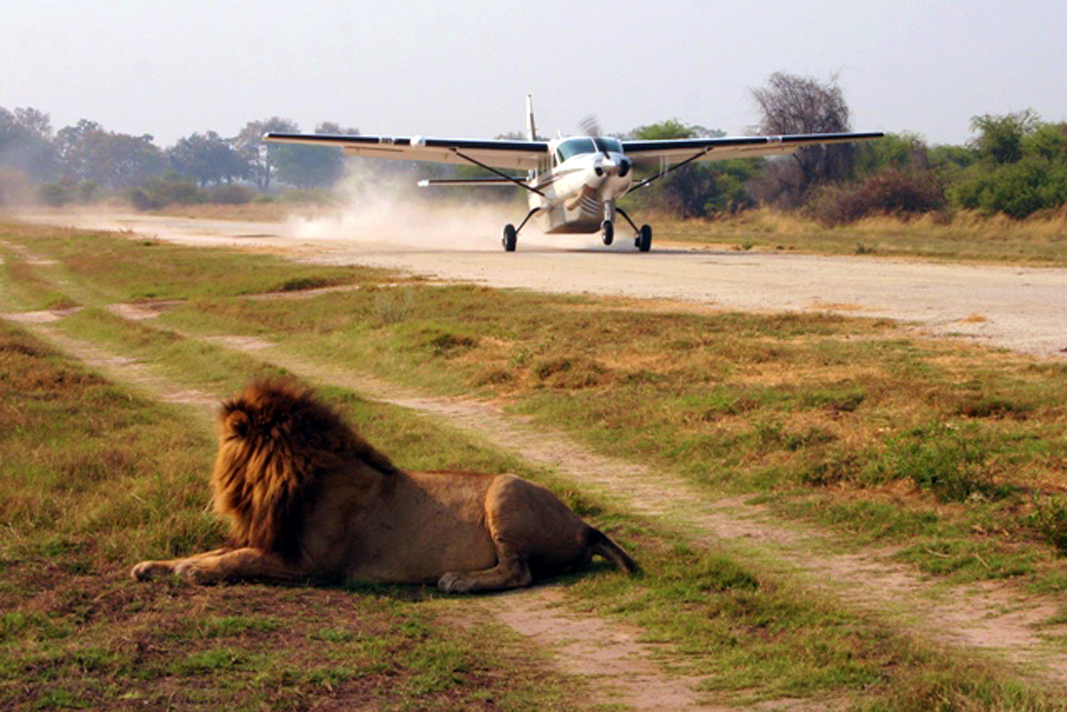
If road travel is a concern, consider flying between key areas. Light aircraft connect Arusha with Serengeti airstrips, cutting hours of driving. Note the small planes have steps and strict soft-bag luggage limits.
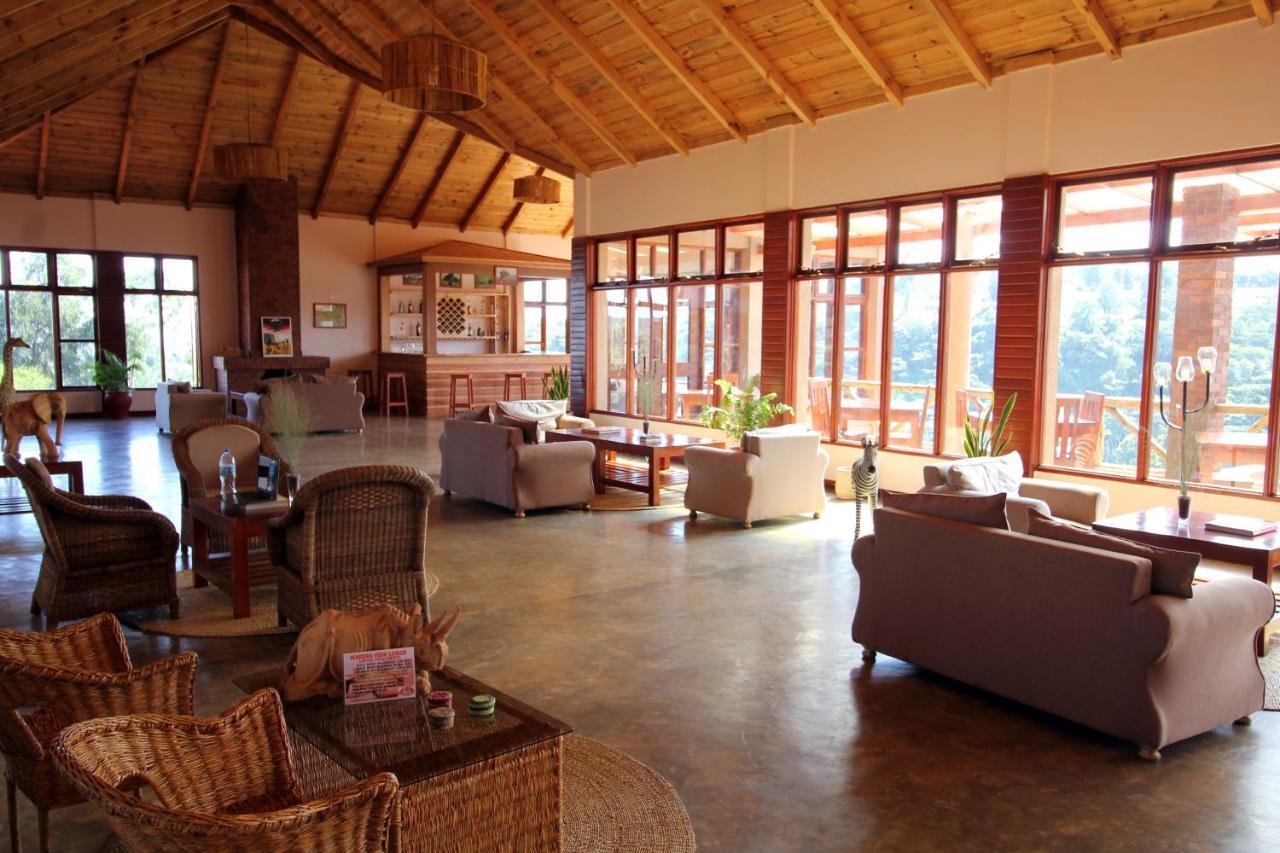
Choose comfortable lodges
When requesting rooms, mention any mobility concerns so we can look for accommodation that suits you. Useful points to ask about include:
- Rooms close to the main area rather than at the end of long paths
- Minimal steps or ground-level access
- Walk-in showers instead of bathtubs
- Good lighting and staff escorts at night
- Electricity for charging medical devices
Getting in and out of the vehicle
Safari vehicles sit high off the ground. Our guides are happy to help, and a portable step can make boarding easier. With a private vehicle, you can also choose the seat that is easiest to reach and most comfortable for your back.
Health, altitude and insurance
See a travel clinic or your doctor well before departure to discuss vaccinations, malaria prevention and how your medications fit with travel. Carry medications in your hand luggage with copies of prescriptions.
The Ngorongoro Crater rim sits above 2,000 meters, and Arusha is also at moderate altitude. Most visitors feel fine, but ask your doctor if you have heart or lung conditions. Comprehensive travel insurance that includes medical evacuation is essential, and remember Zanzibar requires its own inbound insurance for visitors.
Comfort in the heat and sun
Drink water steadily, wear a wide-brimmed hat and use sunscreen even on cloudy days. Lightweight, breathable layers handle hot afternoons and cool mornings. Ndovu African Expeditions vehicles carry drinking water, and guides are glad to stop whenever you need a break.
Bring a small cushion or lumbar support if you are prone to back discomfort. Many guests also find that a pair of lightweight binoculars per person avoids neck strain from leaning to share.
Frequently asked questions
Is a Tanzania safari suitable for people over 70?
Yes, many travelers in their seventies and beyond enjoy safaris. The key is a relaxed pace, comfortable lodges and a plan that matches your health and mobility.
Are the roads very bumpy on safari?
Some are, particularly in the Serengeti and around Ngorongoro. Flying between parks or spending more nights in fewer places reduces time on rough roads.
Do I need medical evacuation insurance?
We strongly recommend it. Medical facilities in remote parks are limited, and evacuation cover gives peace of mind for any traveler, especially older guests.