Tanzania safaris carry a higher price tag than many trips, and seeing where each dollar goes makes it easier to judge value and spot suspicious quotes.
First-time travelers are often surprised by safari prices. A week on the road in Tanzania can cost more than a month of backpacking elsewhere. The reason is not hidden markups but a set of fixed and genuinely high costs that come with running trips in some of the world's great wild places.
Here is an honest look at where your money goes, from someone who books the camps, fuels the vehicles and pays the park fees every week.
Quick tips
- Ask for park fees to be shown or confirmed as included in your quote.
- Travel with others to share vehicle and guide costs.
- Consider shoulder or green season dates for better lodge rates.
- Be wary of quotes far below the market for the same itinerary.
- Remember that fewer parks and more nights in each can reduce fuel costs.
Park and conservation fees
A large share of any safari budget goes straight to the authorities that manage the parks, such as Tanzania National Parks and the Ngorongoro Conservation Area Authority. Fees are charged per person per day, and some areas add vehicle fees or concession fees for overnight stays.
These fees fund rangers, anti-poaching work, road maintenance and community programs. They change from time to time, so a good operator includes current figures in your quote and updates you if anything shifts.
The vehicle and fuel
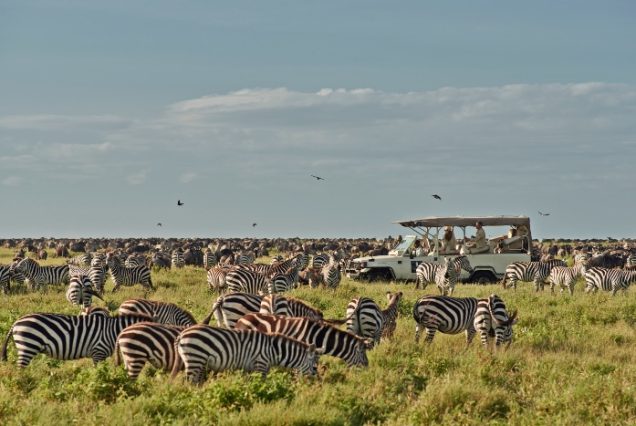
Safari 4x4s take a beating on rough roads and need constant maintenance, spare parts, tires and insurance. Distances between parks are long, and fuel is a major cost. A private vehicle means you are covering these expenses for your group alone, which is why solo travelers often pay more per person.
Guides, cooks and support staff
Skilled driver-guides are the heart of a safari. They are trained in wildlife, first aid, mechanics and hospitality, and they work long days away from home. Fair wages, training and their accommodation and meals in the parks are all built into your price. On camping trips, a cook adds to the team.
Accommodation in remote places
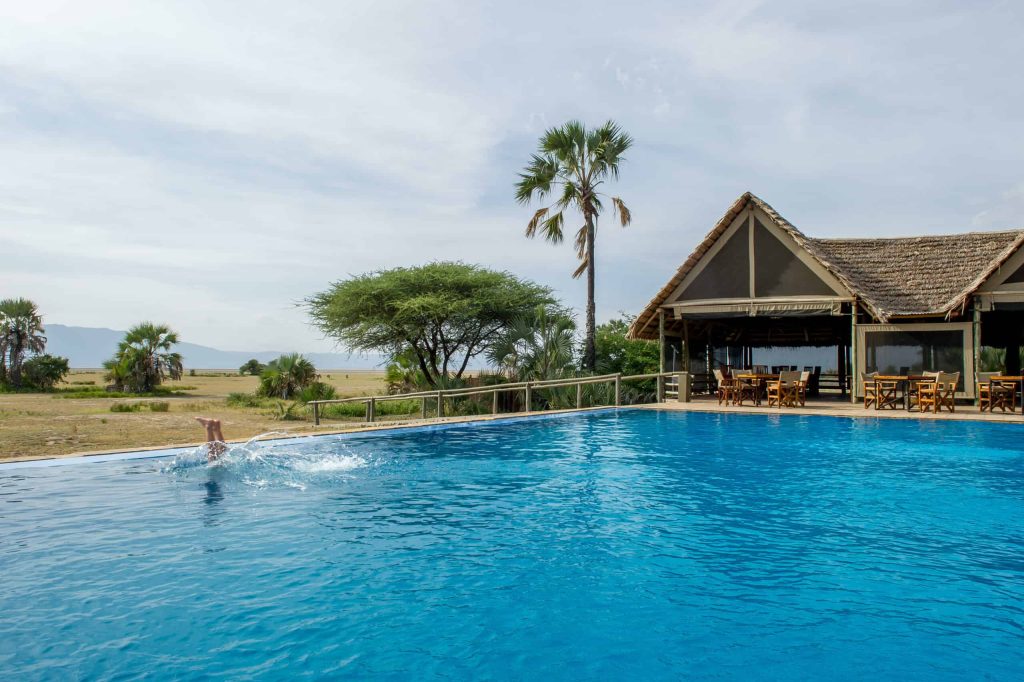
Running a lodge deep in the bush is expensive. Food, water, fuel and supplies must travel long distances, power often comes from solar or generators, and staff live on site. Camps in the most remote and exclusive spots have the highest running costs, which is reflected in their rates.
Taxes, permits and the rest
Tourism services in Tanzania carry government taxes, and operators pay for licensing, insurance and office costs. Add airport transfers, drinking water, emergency evacuation arrangements on some trips, and the work of planning everything before you land.
When a quote seems dramatically cheaper than others for the same route, ask what is missing. Shortcuts usually show up in vehicle condition, guide pay, or surprise extras.
- Is every park fee included?
- Is the vehicle private or shared?
- Are the lodges named, or just described?
How to get more value without cutting corners
There are honest ways to bring the price down. Traveling in the green season, roughly the rainy months, often unlocks lower lodge rates while the landscapes are lush and quieter. Sharing a private vehicle with friends or family spreads the fixed costs. Choosing fewer parks and staying longer in each reduces driving and fuel, and usually improves the wildlife experience too.
Talk openly with your operator about your budget. A good planner will suggest trade-offs rather than simply stripping out quality.
Frequently asked questions
Why are Tanzania park fees so high?
Tanzania relies on tourism revenue to protect huge wild areas and the wildlife within them. The fees fund rangers, infrastructure and conservation, and help limit visitor numbers in sensitive places.
Is a cheaper safari always worse?
No. Budget camping safaris can be excellent value. The concern is quotes that undercut honest costs, which may signal poorly maintained vehicles, underpaid staff or hidden extras.
Does my money help local communities?
Fees fund conservation and some community programs, and safaris employ guides, cooks, lodge staff and suppliers. Choosing a locally owned operator like Ndovu African Expeditions also keeps more spending within Tanzania.