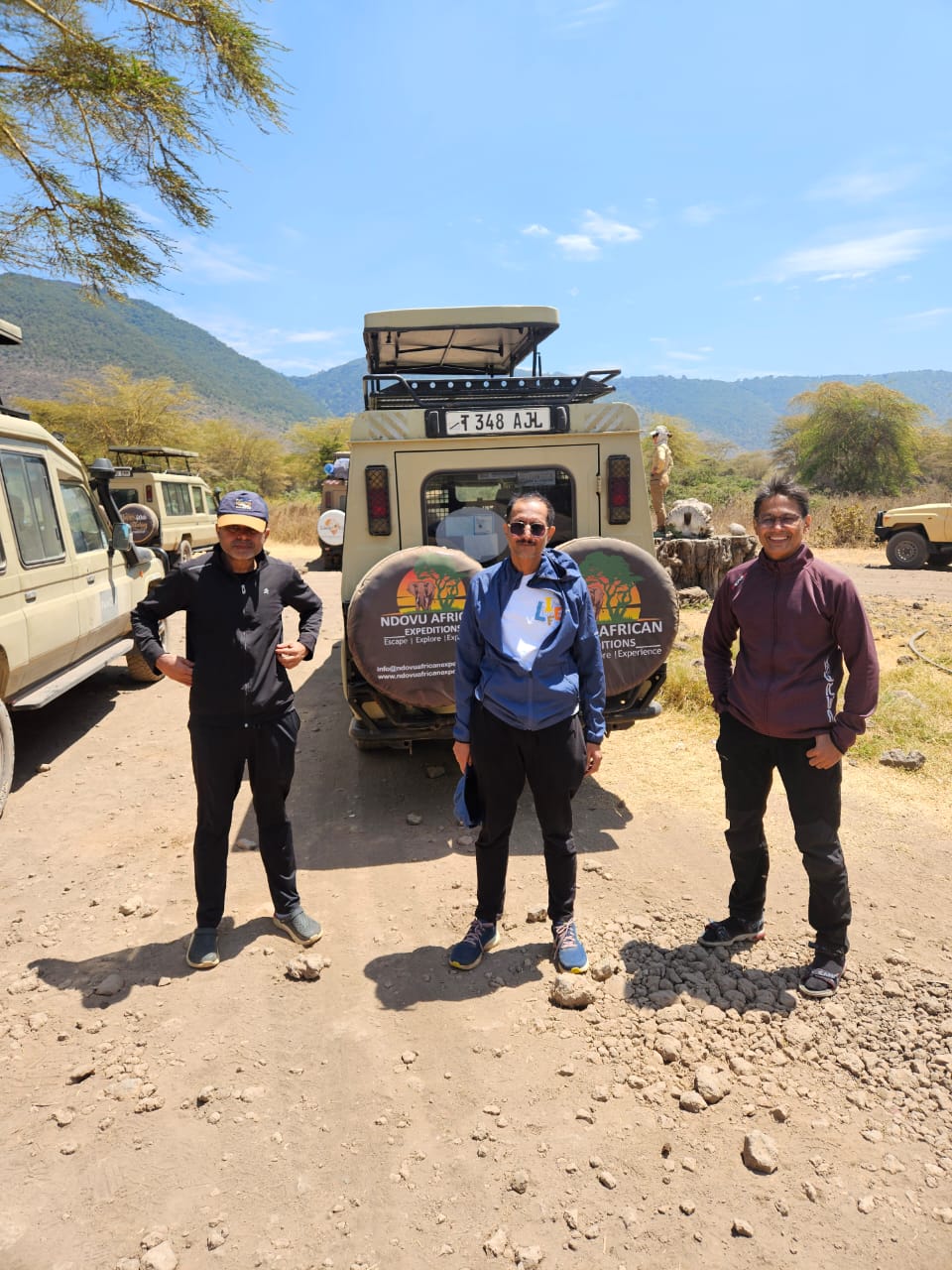
The vehicle is your base for most of the safari, so it deserves a closer look. A modern safari 4x4 is built for rough tracks, dust and long days, with a roof that opens so you can stand and watch. This page describes how these vehicles are typically set up, how a game drive unfolds, and what you can do to make long hours in the car comfortable, from seating to photography.
What a safari 4x4 is like
Typical safari vehicles are four-wheel-drive, with a pop-up roof or large roof hatches, a window seat for each guest and room for luggage. Dust, bumps and heat are part of the experience, so comfort features such as charging points and cool boxes are worth asking about.
Vehicle details vary, and we confirm what applies to your trip when we send the quote.
Vehicles are checked and prepared before each trip, but breakdowns and punctures can still happen on rough tracks, and a good driver-guide knows how to handle them. Ask how replacement vehicles are arranged and what support exists if you are far from a town. The answer is part of what separates a well-run operation from a careless one.
Private and shared vehicles
Private vehicles give you control over timing, stops and pace. Shared or group trips seat more people and usually have a fixed schedule. Neither is better in every case; it depends on your priorities and budget.
- Private: flexible, linger at sightings
- Group: sociable, shared costs
- Check seat numbers before agreeing
How a game drive runs
Drives usually start early, when animals are active and the light is soft, with a break in the middle of the day and another drive late in the afternoon. Park rules govern where vehicles may go and how close they may approach wildlife, and your guide follows them.
A good guide reads behaviour and tracks and will share what they notice.
Night drives, walking safaris and boat trips are only available in some areas and often operate under separate rules, sometimes with local rangers. If you are interested, tell us when you ask for a quote, because they affect where you stay and how the days are arranged. We explain what is allowed and what is realistic for your chosen parks and dates.
Making the most of the vehicle
Bring a soft bag, a scarf for dust, binoculars and a beanbag or camera support. Ask your guide to stop when you want a photograph. Our guide on working with your safari guide offers more tips.
Long drives can be tiring, especially on bumpy tracks. Take breaks when you can, drink water often and wear a hat. If you suffer from motion sickness or back problems, tell us in advance so that we can suggest seat positions and the pace of the day. Remember that vehicles may be shared by people with different interests, so patience and good humour help everyone enjoy the day.
Related pages on our site
Frequently asked questions
How many people sit in one safari vehicle?
It depends on the vehicle and the trip. Private safaris often use a seat per person with a window seat guaranteed in the plan. Ask us for the specifics when we quote. Group sizes and seating differ between trips, so ask for exact numbers and confirm a window seat for every guest.
Is the roof open the whole time?
The roof is usually opened for viewing and may be closed in rain, dust or wind. Your guide will adjust based on conditions. In heavy rain or strong dust, closing the roof protects you and your camera, and your guide will tell you when it is best.
Can I stand up in the vehicle?
In most safari vehicles the roof allows standing inside the vehicle. Follow your guide's instructions and park rules, and never step out in the wild. Standing is usually allowed only inside the vehicle and under the guide's direction, and getting out is not permitted except at designated spots.