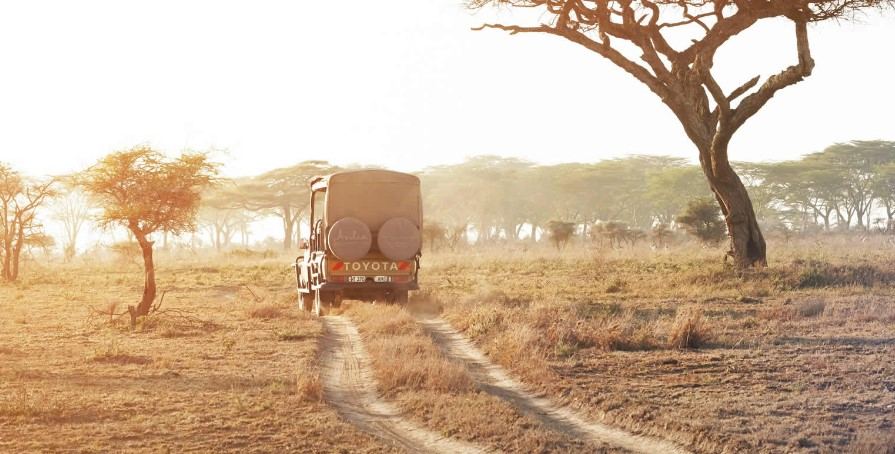
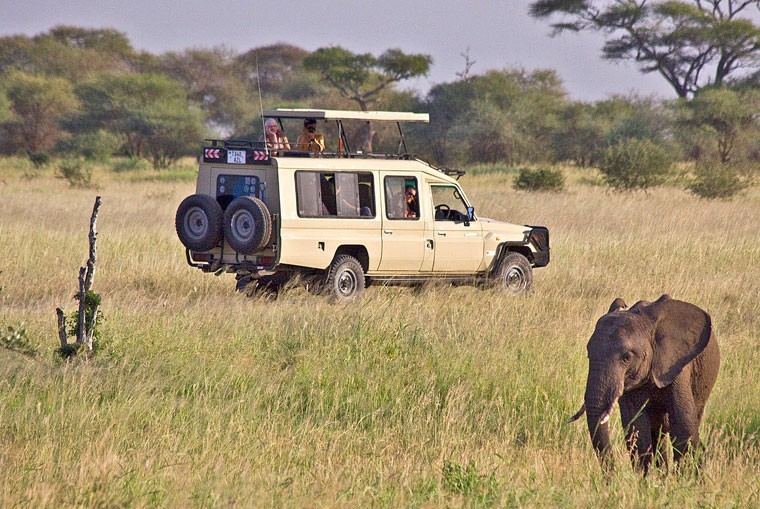
Arusha is the working heart of northern Tanzania safaris. It is where vehicles are prepared, guides are briefed and park permits are arranged. Booking with an operator based here is different from booking through an overseas intermediary, because the people planning your trip are the same people sending you out the door. This page explains what that means in practice, and what questions to ask any company about where it is really based.
Decisions made where the safari happens
Roads, weather and wildlife change from day to day. An operator based in Arusha can adjust quickly: swap a route, reorganise a transfer, or arrange help if a vehicle needs attention. Staff are close to the parks and understand conditions first-hand.
If a vehicle needs attention, a park gate has an issue or heavy rain affects a road, the people in Arusha can make calls and arrange alternatives quickly. That kind of practical support is difficult from overseas. It does not mean problems never occur, but it means there is a team close enough to respond, and a guide who knows who to call.
Local knowledge you can use
Our team lives in the region and knows its parks, lodges, camps and guides directly. That helps when we recommend an itinerary and when we explain what a place is really like rather than how a brochure describes it.
We prefer to say honestly when something does not suit your wishes.
- Realistic driving times between parks
- Advice on seasons and park conditions
- Introductions to local guides and cultural visits
Accountability and communication
With a physical office you can visit, you know where to find us. Before and during your trip you can reach people who understand the plan, rather than a call centre with no knowledge of the route.
Our about page and why choose us page describe how we work. Check that any operator you consider publishes a real address and contact details.
Another advantage is continuity. The people who plan your safari can brief your guide directly, share your preferences, such as early starts or a love of birds, and follow up afterwards. Information is less likely to be lost in a chain of intermediaries. If you have feedback, it goes to the team that can act on it, which helps us improve.
Supporting local people
Using a local operator generally keeps more of the value of tourism within the community, through staff, guides, drivers and suppliers. We discuss responsible travel in more detail elsewhere.
Being based in Arusha also affects the details around the safari: where to stay before and after, where to buy last-minute items, how to get a SIM card and what to see in town. We can advise on these from experience, and we are glad to suggest day trips or markets if you arrive early or have a spare afternoon between plans.
What to do next
Tell us your dates, interests and group size. We reply with a tailored proposal; ask us for a current quote rather than relying on a generic price list.
Related pages on our site
Frequently asked questions
Is it better to book directly with a Tanzanian operator?
Many travellers prefer it because you speak with the people actually running the trip. Whatever you choose, check who is responsible on the ground and how to reach them. You can check our address and contact details on the contact page, and ask anything about how we work.
Can I visit your office in Arusha?
Please contact us first to arrange a time. It is common for guests to meet the team before or after their safari. Our office is a working base, so a short notice may mean someone is out on a trip, and an appointment avoids a wasted visit.
Do you only run trips in northern Tanzania?
Our base is Arusha, so the northern circuit is our natural focus, but we also plan other regions and Zanzibar. Ask us what suits your plans. We can also arrange extensions to the coast or the mountain, so just tell us what you have in mind.