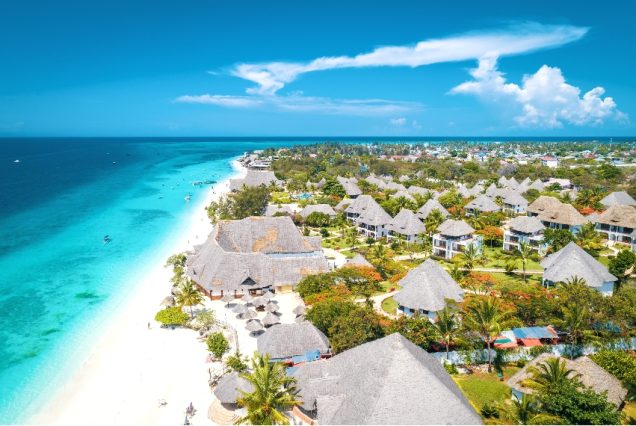
Zanzibar is warm all year, but rain, wind and crowds shift with the seasons. This month-by-month overview helps you choose dates that suit your plans.
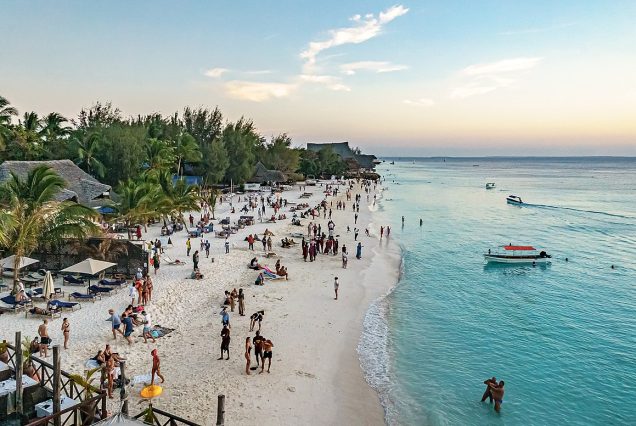
Zanzibar sits just south of the equator, so it is warm year-round and the sea rarely feels cold. What changes through the year is rainfall, humidity, wind direction and how busy the island feels.
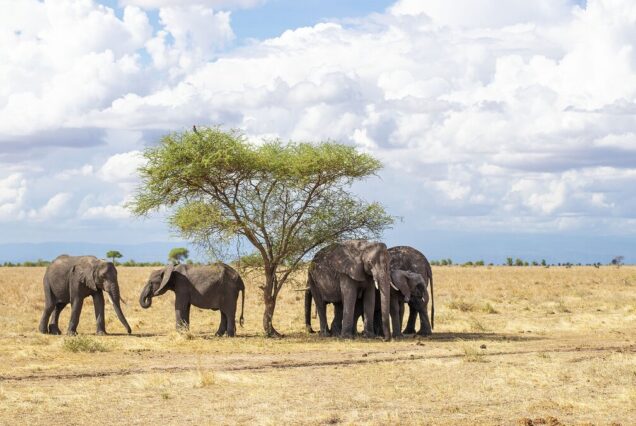
Many travelers visit Zanzibar after a safari on the mainland, so it often makes sense to choose dates that work for both. Below is a practical overview of the seasons, with the caveat that weather patterns vary from year to year and no month is ever guaranteed to be completely dry or completely wet.
Quick tips
- Pack a light rain jacket for any month, just in case.
- Book festive season and July to August stays several months ahead.
- Ask whether your hotel is open if traveling in April or May.
- Plan boat trips for mornings, when seas are often calmer.
- Use high-factor sunscreen year-round, since the equatorial sun is strong even on cloudy days.
January and February: Hot and Mostly Dry
These are among the hottest and most humid months, with plenty of sunshine and generally calm seas on the west and north coasts. It is a popular time for a beach stay, especially combined with the wildebeest calving season in the southern Serengeti and Ndutu area, which typically runs around January to March. Book accommodation early for this period.
March to May: The Long Rains
The long rains usually arrive around March and are often heaviest around April. Rain can fall in heavy showers or persist for longer spells, and humidity is high. Some smaller hotels close for part of this period, while others offer lower rates.
Travelers who do not mind some rain can find quiet beaches and good value, but this is not the time to plan a trip built around sunbathing and boat excursions.
June to October: Cooler, Drier and Busy
From around June, the weather turns drier and slightly cooler, with fresh breezes and lower humidity. Many travelers consider this the most comfortable time on the island. It also lines up with the classic dry season safari and the period when Mara River crossings typically occur, roughly July to October.
The southeast trade wind, the kusi, blows more strongly in these months. That is excellent for kitesurfers in Paje but can make the east coast breezy. July and August, in particular, coincide with European school holidays and tend to be busy.
November and December: Short Rains and Festive Season
The short rains generally fall around November and into December, usually as passing showers rather than all-day downpours. Many days remain sunny. Late December brings the festive season, when popular hotels fill up quickly and rates often rise, so plan well ahead if you want to be on the island over Christmas and New Year.
Choosing Your Dates
There is no single best month for everyone. Think about what matters most to you and weigh it against season.
If you are combining the island with a mainland safari, start with the wildlife you most want to see and fit the beach around it. Our guides in Arusha can suggest which parks and which Zanzibar coast work best together for your dates, taking into account wind direction, rainfall and how busy each area tends to be.
- Best overall comfort: roughly June to October
- Hot beach weather and calving safari combination: roughly January to February
- Fewer crowds and lower rates, with rain risk: March to May
- Kitesurfing: the kaskazi and kusi wind seasons
- Check Ramadan dates, which shift each year, as some restaurants adjust opening hours
Frequently asked questions
What is the best month to visit Zanzibar?
Many travelers find the period from around June to October the most comfortable, with drier, slightly cooler weather. January and February are also popular for hot, sunny beach days.
Is it worth visiting Zanzibar in the rainy season?
It can be, if you value lower prices and quieter beaches. Expect showers, high humidity and possibly fewer open hotels and restaurants, especially around April.
Is the sea warm enough to swim year-round?
Yes, the water around Zanzibar stays warm throughout the year. Wind and tides affect swimming conditions more than water temperature does.