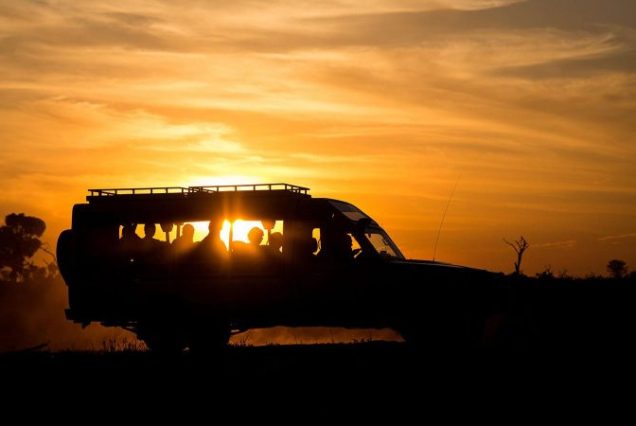
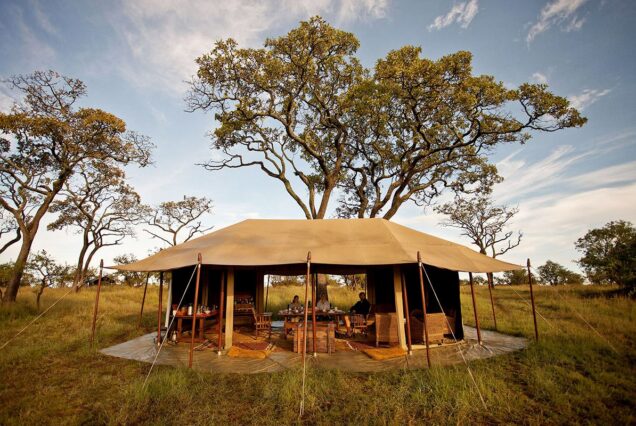
Most Tanzania safaris are driving safaris, so understanding road conditions, realistic distances and where you will stop makes the journey part of the fun.

On a classic northern circuit safari you will spend a good share of your time in a vehicle, both on game drives and on the transfers between parks. Far from being dead time, these drives take you through Maasai country, highland farms and changing landscapes that tell you a lot about the country.
Still, it helps to know what the roads are like. Expectations set in advance lead to a far more relaxed trip, so here is an honest overview from our guides, who drive these routes all year.
Quick tips
- Bring a neck pillow for long transfer days.
- Pack a buff or scarf for dust in the dry season.
- Carry motion sickness remedies if you are prone to it, after checking with your doctor.
- Keep a refillable bottle and snacks within reach in the vehicle.
- Ask your guide to slow down or stop whenever you want a photograph.
Paved highways versus park tracks
The main roads out of Arusha toward Tarangire, Lake Manyara and the Ngorongoro highlands are largely paved and in reasonable condition. Once you pass the Ngorongoro Conservation Area gate, things change. The road over the crater highlands and on into the Serengeti is gravel and can be very corrugated.
Inside the parks, tracks range from smooth graded routes to rough, rocky or muddy stretches. Our guides affectionately call the shaking an African massage, and it is part of the experience.
Realistic travel times
Distances on a map can be misleading because speeds are low on unpaved roads and you will stop for wildlife along the way. As a rough guide, drives from Arusha typically look like this:
- Tarangire: around two to three hours.
- Lake Manyara or Karatu: roughly two to three hours.
- Ngorongoro Crater rim: about three to four hours.
- Central Serengeti: a full day, often seven hours or more with stops.
- Northern Serengeti: usually better reached by air from Arusha, or as part of a longer driving itinerary.
Rest stops and comfort breaks
Guides plan regular breaks at lodges, park gates, picnic sites and established rest stops, many of which have proper toilets. Between them, inside the parks, there may be long stretches without facilities. If you need an unplanned stop, just tell your guide; they know which spots are safe to step out.
Expect a stop or two in market towns such as Mto wa Mbu or Karatu for fuel, snacks and a stretch. Curio shops along the route are common, and there is never an obligation to buy.
The safari vehicle
Most safaris use modified 4x4 Land Cruisers with pop-up roofs, so everyone can stand and look out during game drives. Each guest normally has a window seat. Charging points are common in modern vehicles, but bring a power bank as backup.
Seat belts are fitted, and we encourage guests to use them on transfer drives.
Weather and seasonal conditions
During the long rains, roughly March to May, and the short rains, roughly November to December, some tracks become slippery or impassable. Guides adjust routes to suit, which occasionally means longer detours. In the dry season, dust is the main challenge, so a light scarf or buff is useful.
Whatever the season, keep camera gear in a padded bag on your lap or the seat beside you rather than on the floor, where vibration and dust do the most damage. A small towel to wipe lenses and windows is surprisingly handy.
Frequently asked questions
Are roads in Tanzania safe for safari travel?
With an experienced professional guide and a well-maintained 4x4, road travel on safari is routine. The main hazards are rough surfaces and other traffic, which local guides handle every day.
Are there toilets on safari drives?
Yes, at lodges, park gates and designated picnic sites. Between them there can be long gaps, and guides will make a discreet bush stop in a safe place if needed.
Should I fly instead of drive between parks?
Flying saves time on longer legs, such as reaching the northern Serengeti. Many guests mix both, driving the shorter sections and flying out at the end.