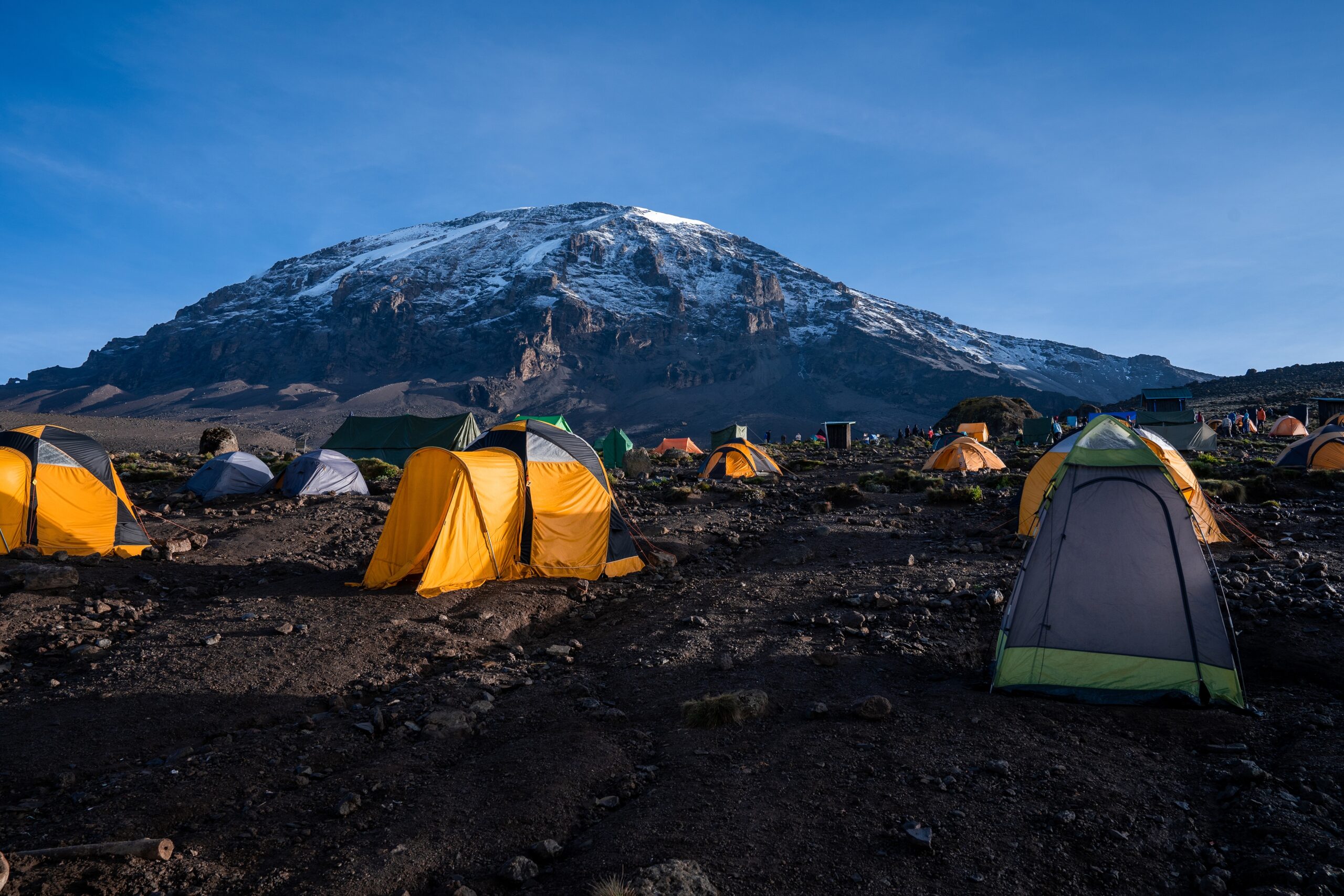
Trekking Mount Kilimanjaro means ascending from lush rainforest to the summit at 5,895 meters, where oxygen levels are almost 50% lower than at sea level. High altitude affects everyone differently, regardless of age or physical fitness. Proper altitude preparation helps your body adjust safely and increases your chances of reaching the summit.
Altitude training is not about speed or strength—it is about helping your body adapt to lower oxygen levels gradually.
Why Altitude Training Matters
As you climb higher, your body receives less oxygen with each breath. This can trigger symptoms of Acute Mountain Sickness (AMS) such as headaches, nausea, fatigue, and dizziness.
Effective altitude preparation helps:
-
Improve oxygen efficiency
-
Reduce the risk of altitude sickness
-
Enhance stamina during long hiking days
-
Build confidence for summit night
Build Strong Cardio Endurance
A strong cardiovascular system helps your body use oxygen more efficiently. At high altitude, your lungs and heart work harder than normal, so having good endurance makes a big difference.
Recommended activities:
-
Hiking
-
Running or jogging
-
Hill climbing
-
Cycling
-
Swimming
Train 3–5 times per week to boost lung capacity and overall stamina.
Practice Deep Breathing Techniques
Controlled breathing helps your body manage reduced oxygen levels more effectively.
Try the following techniques:
-
Diaphragmatic breathing – slow, deep inhalation from the belly
-
Rhythmic breathing – 3 steps inhale, 2 steps exhale during hikes
-
Box breathing – inhale 4 seconds, hold 4 seconds, exhale 4 seconds
These exercises improve lung expansion and keep your breathing steady during steep ascents.
Spend Time on High-Altitude Trails (If Available)
If you live near mountains or elevated areas, try to train at higher altitudes:
-
1,500–2,500 meters is ideal for practice
-
Do day hikes or weekend treks at higher elevations
-
Your body will begin adapting to thinner air
This is one of the best forms of altitude preparation.
Use Altitude Simulation Masks (Optional)
Altitude masks restrict airflow to simulate lower oxygen environments.
Benefits include:
-
Stronger respiratory muscles
-
Better lung capacity
-
Improved breath control
They are optional, not required. Using them for short cardio sessions may help, but real altitude exposure is more effective.
Choose Longer Routes for Better Acclimatization
On Kilimanjaro, slow and steady climbing is the key to safe acclimatization. Longer routes offer gradual altitude gain and more time to adjust.
Recommended routes:
-
Lemosho Route – 7 or 8 days
-
Machame Route – 7 days
-
Northern Circuit – 8 or 9 days (best acclimatization on the mountain)
These itineraries include climb high, sleep low patterns, which help your body adapt naturally.
The Goal of Altitude Training
Altitude training prepares your body to handle:
-
Lower oxygen levels
-
Cold temperatures
-
Longer trekking days
-
Summit night challenges
By following proper preparation methods, you increase your chances of reaching Uhuru Peak safely and comfortably.