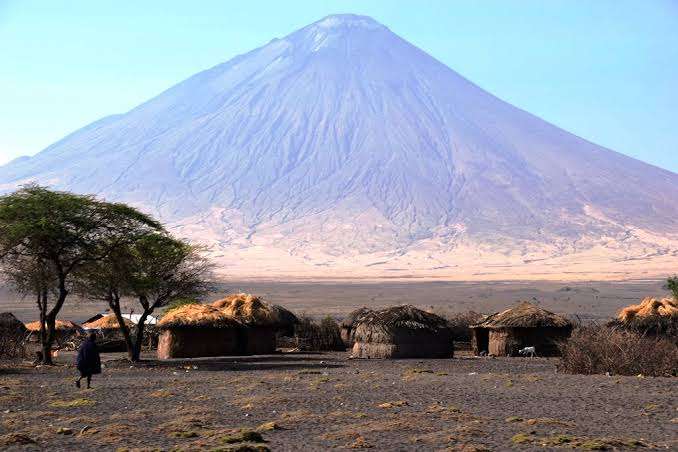
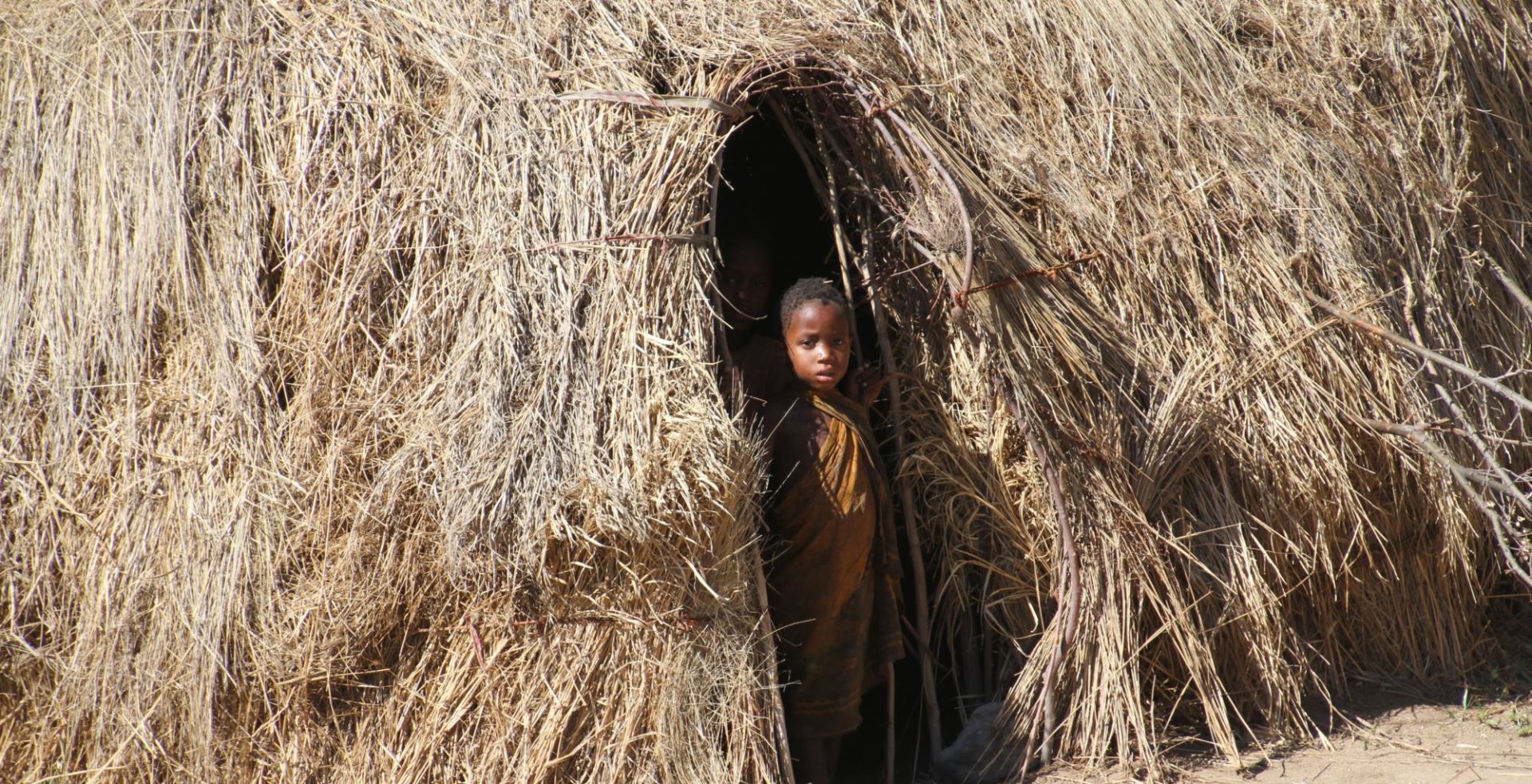
Lake Manyara sits beneath the Rift Valley escarpment, and its compact size is part of its charm. In a single morning you can pass through groundwater forest, open grassland and the shore of an alkaline lake. The park is known for its tree-climbing lions, though they are not seen every visit. This page explains what to expect, how it compares with larger parks, and how a Manyara stop can fit your itinerary. Here is how it works, when to go, and what to pair it with.
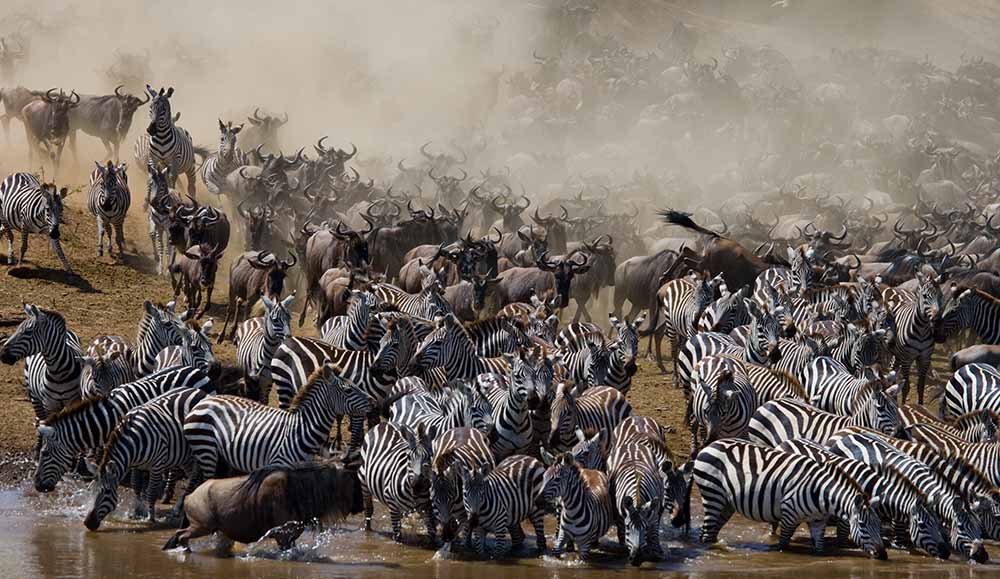
A park of changing habitats
The park begins with a lush forest fed by underground springs, where baboons, blue monkeys and elephants are common. Beyond the trees the landscape opens to floodplain and the lake itself, an alkaline water body whose level changes with the rains.
Because the habitats sit so close together, a short game drive feels varied. Hippos, giraffes, buffalo and a wide range of birds are regularly seen.
Lions in trees, and other expectations
Lake Manyara has a reputation for lions that rest in acacia branches. It is a real local behaviour, but you should treat a sighting as a bonus rather than a certainty. Plan to enjoy the forest, the birds and the escarpment views, and anything beyond that is a pleasure.
Flamingos and other waterbirds may gather on the lake at certain times of year, depending on water levels and conditions.
- Forest drives with monkeys and elephants
- Hippo pools and floodplain grazers
- Waterbirds on the lake, varying by season
- Views up to the Rift Valley wall
Where Manyara fits in a trip
Many travellers visit Manyara for a half or full day on the way to Ngorongoro or the Serengeti. It also works as a gentle first stop after arriving in Arusha, since the drive is comparatively short.
If you enjoy birding, add a second night or choose an early start so you can spend more time on the lake edge. Families with young children often like the shorter distances.
What to bring and how to dress
The park can be warm in the lowlands and cool on the escarpment, so layers are practical. Wear neutral colours, a hat and comfortable shoes, and bring binoculars, since many of the best sightings are birds and distant animals.
Mosquito repellent is useful near the forest and lake, and you should check current health advice with a travel clinic before departure.
Planning your Manyara package
A package typically covers a private vehicle, driver-guide, park arrangements, accommodation and transfers. Some trips include a canopy or cultural activity nearby where available, which we confirm when quoting.
Prices depend on season, accommodation and group size, so we tailor each plan and give a current quote on request.
Related pages on our site
Frequently asked questions
Is Lake Manyara worth visiting?
If you have time, yes. It is small, scenic and varied, and it suits travellers who enjoy birds and forest as well as classic plains wildlife. It is less about quantity of big game. We can adjust the pace to suit your group.
Can I do Lake Manyara as a day trip?
Yes, from Arusha it is possible as a long day. Many travellers prefer to combine it with a night nearby so the day is less rushed. Ask us how it fits with your other parks.
Will I see tree-climbing lions?
They are a local feature but not predictable. Your guide will look for them, though many visitors do not see one. Other wildlife in the park is reliably interesting. Your guide will do their best to find them.
How long does a Manyara game drive take?
Most visits last a few hours inside the park, enough to see the forest, floodplain and lake shore. A longer day or an overnight stay gives you time for slower birdwatching.