Ruaha is one of the largest national parks in Tanzania, and it feels wild in the best sense: rugged hills, sandy riverbeds, baobabs and few other vehicles. It lies in the south of the country and is usually reached by a light aircraft flight rather than a long road journey. This page explains what sets Ruaha apart, what you might see, and how to decide between the southern and northern circuits.
Why choose Ruaha
Ruaha sits where the vegetation of eastern and southern Africa overlaps, so you can see species that are scarce in the north. Greater and lesser kudu, roan and sable antelope are often mentioned by guides as highlights.
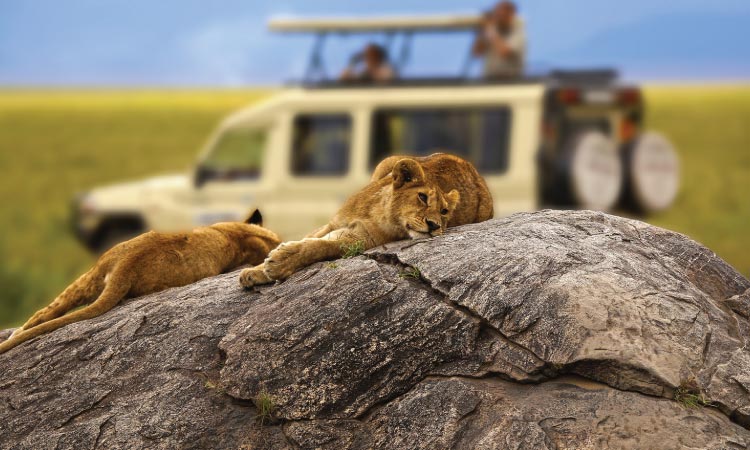
Predators are a draw too. Lions are regularly reported, and the park is known for wild dogs and leopards, though sightings can never be promised.
Remoteness also means fewer facilities nearby, so bring any medication and personal items you need from home. The park is hot in the late dry season, and early mornings can be cool, so layers are useful.
The Great Ruaha River
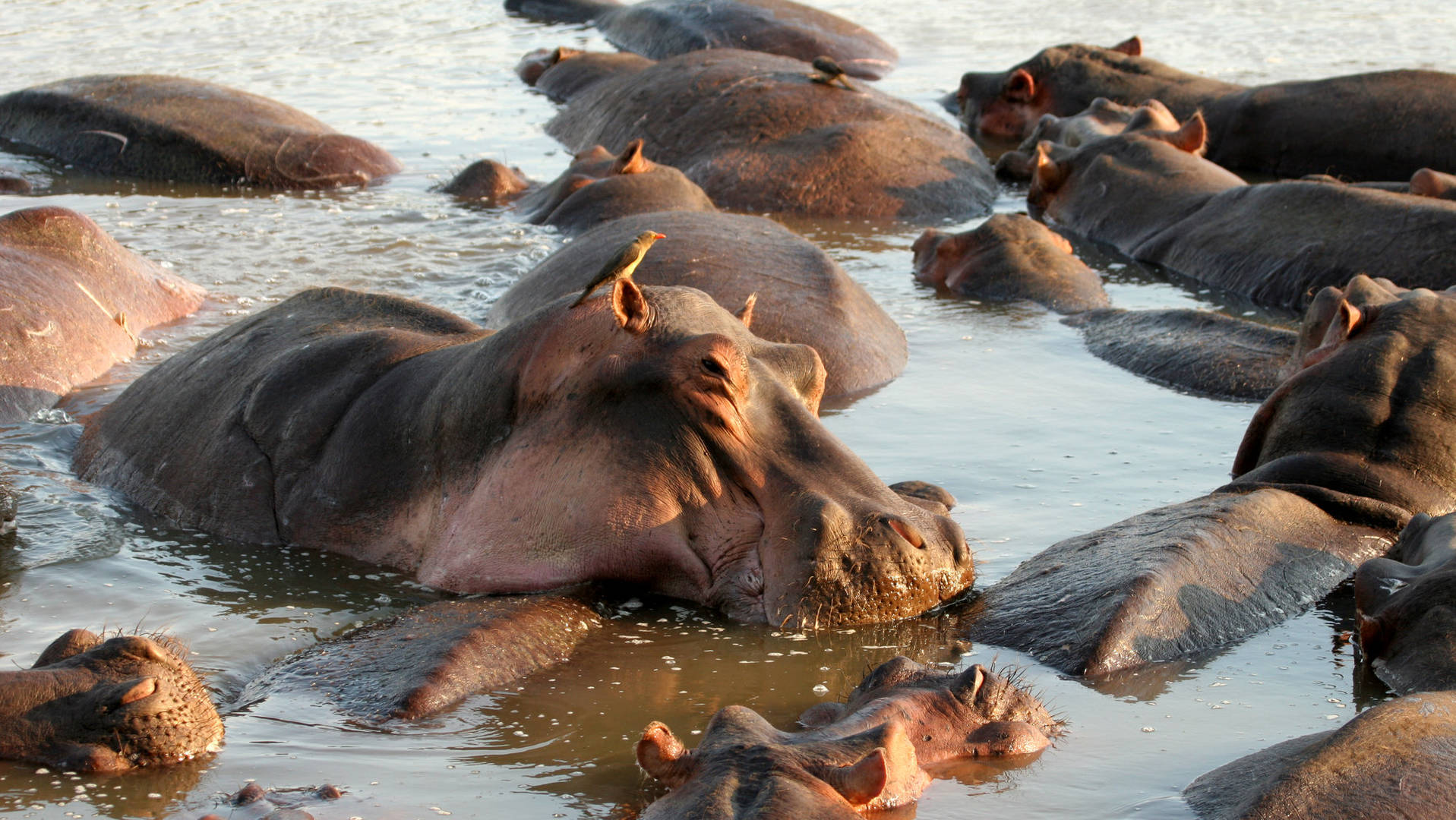
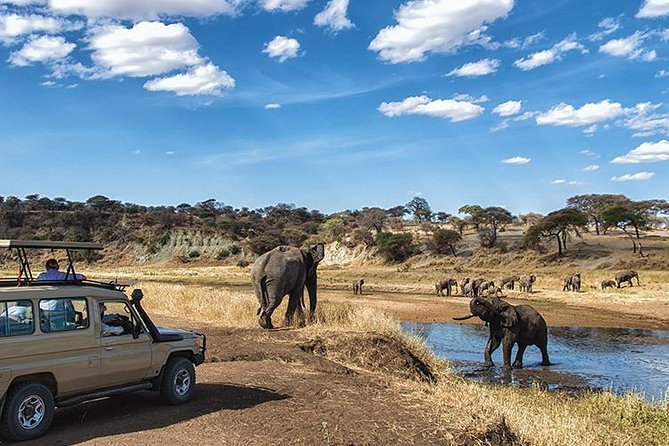
The river is the park's lifeline, and in the dry season animals gather along its banks and remaining pools. Elephants, hippos, crocodiles and herds of buffalo concentrate here, and the sandy tributaries often yield good sightings.
The landscape changes after rains, turning green and dense. Game is harder to see, but birdlife and scenery improve.
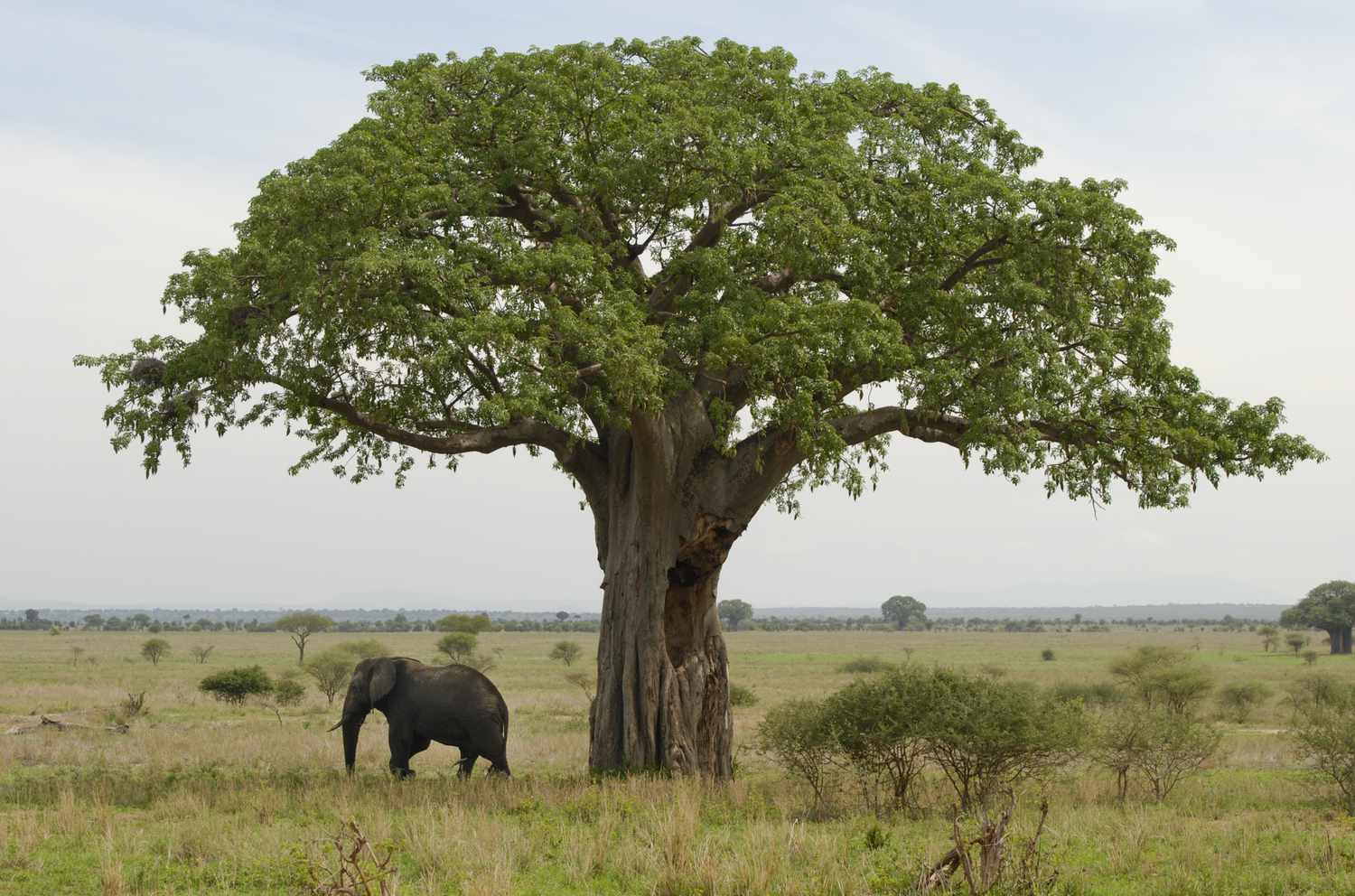
- Baobab-dotted hills
- Dry-season gatherings along the river
- Antelope species rarely seen in the north
- Quiet roads with few vehicles
Getting there and how long to stay
Most travellers fly from Dar es Salaam or another hub to a park airstrip. Road transfers are possible but long, and we describe the journey honestly when we plan. Allow at least three nights so the travel time is worthwhile.
Ruaha is often combined with Nyerere or with a beach stay in Zanzibar after the bush.
Activities in Ruaha
Game drives are the main activity, with early and late outings. Some camps arrange walking safaris in designated areas, which give a close look at tracks, insects and plants, and night drives may be offered where rules allow.
Because the park is big and quiet, you may spend hours without seeing another vehicle. That peace is part of the appeal, but it means sightings depend on patience and your guide's skills.
Who Ruaha suits
It suits repeat visitors and travellers who prefer remote places to well-known names. If it is your first safari and you want migration scenes, the northern circuit is the more traditional choice.
Accommodation ranges from simple camps to comfortable lodges. We tailor trips to your dates and budget, so ask us for a current quote.
Related pages on our site
- 8-day southern Tanzania safari
- 10-day southern Tanzania safari
- Domestic flights in Tanzania
- Fly-in safaris
Frequently asked questions
Is Ruaha better than the Serengeti?
They are different. The Serengeti has the migration and big open plains, while Ruaha offers solitude and rugged scenery. The best choice depends on what you want. We can compare both options for you.
Do I need to fly to Ruaha?
Most travellers do, because road journeys are long. Light aircraft have baggage limits, so pack in a soft bag. We explain the details when we plan. Check weight limits when you book.
When is the best time for Ruaha?
The dry season, roughly June to October, usually makes game viewing easier because animals stay near water. Other months can be rewarding for birds and scenery. Be flexible about timing and expectations.
Is Ruaha suitable for a first safari?
It can be, if you value remoteness over convenience. Most first-time visitors choose the northern circuit because it is easier to reach, but Ruaha rewards those who want a quieter experience.