From vegan breakfasts in the Serengeti to gluten-free meals at 4,000 meters, here is how special diets and food allergies are handled on a Tanzania trip.
Food is one of the quiet pleasures of a Tanzania safari, and it surprises many visitors how well lodges and camp cooks adapt to special diets. Vegetarians eat very well here. Vegans, gluten-free travelers and people with allergies can also travel comfortably, provided the information reaches the right kitchen in good time.
That last part is the challenge. A request may pass from you to your operator, then to several lodges, a mobile camp and, on Kilimanjaro, a mountain cook working on a gas burner. Here is how to make sure nothing gets lost along the way.
Quick tips
- Describe your diet in detail rather than using a single label.
- Carry a Swahili and English allergy card and show it at every new lodge.
- Ask your guide to check packed lunches before each game drive.
- Bring compact backup snacks that suit your diet, especially for trekking.
- Keep any prescribed emergency allergy medication on your person, not in your bag.
Tell us early and be specific
Include your dietary needs when you first enquire, and repeat them when you confirm. Rather than writing only "vegetarian", say exactly what you do and do not eat: eggs, dairy, fish, honey, stock made from meat. For allergies, state the allergen, how severe the reaction is, and whether trace amounts or cross-contamination matter.
Our team in Arusha passes this on to every lodge and camp in your itinerary, and your guide carries a copy so they can remind kitchens on arrival.
Vegetarian and vegan eating
Tanzanian home cooking is full of naturally plant-based dishes. Look out for maharage (beans in coconut or tomato sauce), mchicha (spiced leafy greens), rice, chapati, and ugali, the firm maize porridge eaten across East Africa. Tropical fruit such as mango, pineapple, papaya and passion fruit appears at almost every breakfast.
Vegetarian meals are routine at lodges. Vegan meals are increasingly common but may be simpler, especially in remote camps, so it helps to bring a few favorite snacks such as nut butter, protein bars or plant-based milk powder.
Gluten-free travel
Ugali, rice, potatoes, plantains and many stews are naturally free from gluten, which gives cooks a good foundation. The risks lie in bread, chapati, pasta, packed lunch sandwiches, sauces thickened with flour, and shared toasters or fryers. If you have coeliac disease rather than a preference, make that clear, because the level of care required is different.
Packed lunches for long game drives are where mistakes most often happen. Ask your guide to check the box before you set off, and carry your own gluten-free crackers as a backup.
Food allergies: carry your own safety net
If you have a serious allergy, discuss the trip with your doctor and follow their advice on any emergency medication you should carry. Keep it on you during game drives, not in your main luggage, and show your guide where it is and how it is used.
A simple card in Swahili and English helps in kitchens. A useful phrase is "Nina mzio wa...", meaning "I have an allergy to...", followed by the food, for example karanga (peanuts).
- Show your allergy card to staff at every new lodge
- Ask your guide to speak directly with the chef on arrival
- Be cautious with sauces, dressings and desserts, where allergens hide
- Remember that remote parks are far from hospitals, so prevention is everything
Special diets on Kilimanjaro and Meru
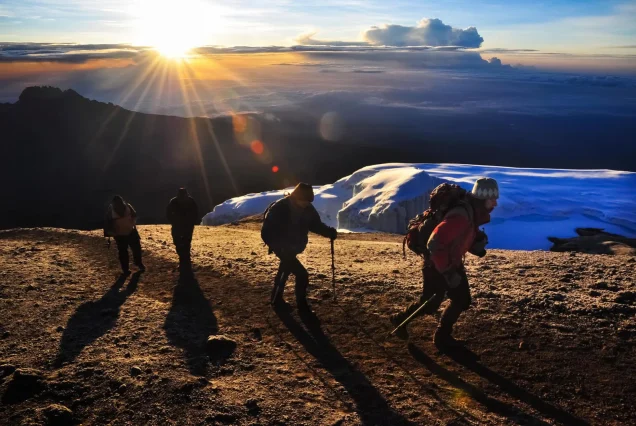
Mountain crews cook remarkably varied meals in tough conditions, and they can cater for most diets when told in advance. Because food is bought in Moshi or Arusha before the trek and carried up by porters, a last-minute change is hard to fix on the mountain. Altitude often blunts appetite, so pack some familiar, calorie-dense snacks that you know are safe for you.
Frequently asked questions
Is it hard to be vegan on a Tanzania safari?
Not usually, though choice can be narrower in remote camps than in larger lodges. With advance notice, kitchens prepare plant-based meals throughout, and Tanzanian dishes built around beans, greens and coconut are naturally vegan.
Can Kilimanjaro cooks handle coeliac disease?
Cooks can prepare gluten-free meals, but you should explain that you need strict avoidance, not just a reduced amount. Bringing your own gluten-free snacks and some staples gives you an extra margin of safety.
Should I bring food into Tanzania?
Sealed, commercially packed snacks are generally fine to bring for personal use. Avoid fresh produce and meat products, and check your airline and customs rules before you pack.