
Living with a long-term health condition need not rule out a Tanzania safari, but careful planning around medication, distance and communication makes all the difference.
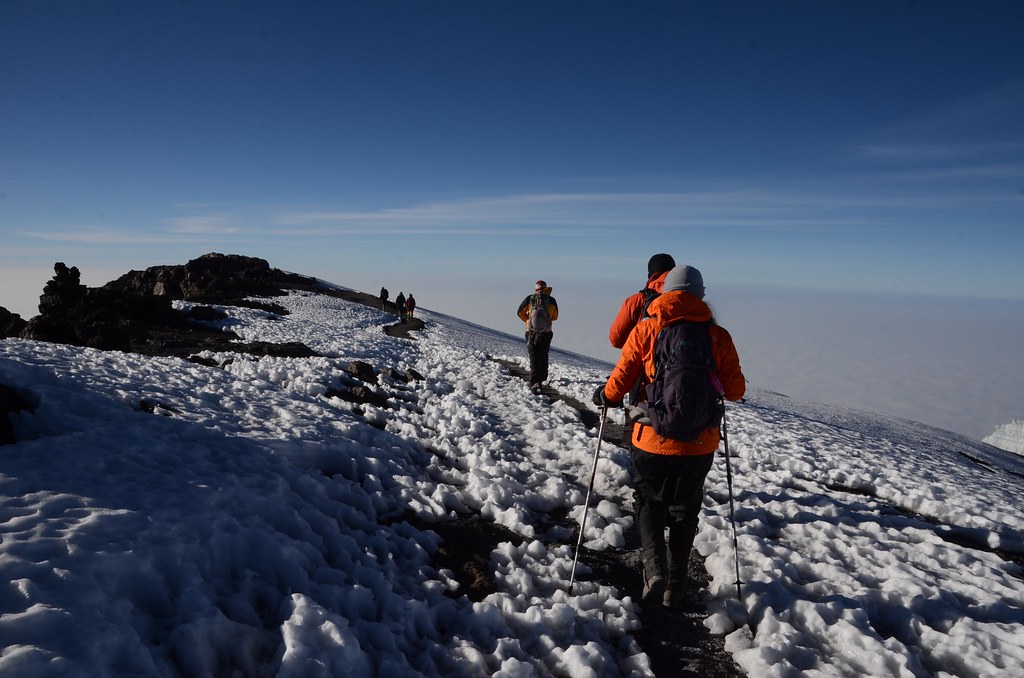
Plenty of travelers with diabetes, heart conditions, asthma, arthritis and other long-term illnesses enjoy wonderful safaris in Tanzania every year. A private safari is actually one of the more flexible ways to travel with a health condition, because the pace, the vehicle and the daily plan can be shaped around you.
The key is preparation. Tanzania's parks are big and remote, pharmacies in the bush are nonexistent, and your nearest well-equipped hospital may be a flight away. Here is how we suggest you plan, alongside the advice of your own doctor or travel clinic.
Quick tips
- See your doctor at least eight weeks before departure and share your full itinerary.
- Ask for a doctor's letter listing your medicines by generic name.
- Split your medication between two bags and carry extra days' supply.
- Tell us about your condition when you book so your guide can be briefed.
- Declare every pre-existing condition to your insurer and confirm evacuation cover.
Start with your doctor, well ahead of time
Book an appointment with your specialist or family doctor at least two months before departure. Explain the itinerary in detail: the long, bumpy drives, the heat in places like Tarangire and Nyerere, and the elevation at the Ngorongoro Crater rim, which sits at over 2,000 meters. If you are considering Kilimanjaro or Meru, discuss altitude specifically, as some conditions make high-altitude trekking unsuitable.
Ask how travel vaccines and antimalarial medication might interact with your existing treatment. Only your doctor or a travel clinic can advise on that, so bring a full list of what you take.
Bring the right paperwork
A short letter from your doctor on headed paper is invaluable. It should list your condition, your medicines by generic name, and any equipment you carry, such as syringes, inhalers or a CPAP machine. Generic names matter because brand names differ between countries.
Some medicines, particularly strong painkillers and certain psychiatric or sleep medications, can be controlled substances in Tanzania. Check with the Tanzanian embassy or high commission in your country before you travel if anything you take falls into that category.
Pack medication to survive a lost bag
Carry enough medication for the whole trip plus several extra days in case of flight delays. Keep it in original labeled packaging, and split it between your hand luggage and a second bag or a travel companion's luggage.
If you use insulin or other temperature-sensitive medicine, tell us in advance. Many lodges and camps can store items in a fridge, and cooling wallets work well during game drives. Avoid leaving medication in a parked vehicle in the midday sun.
- Medicines in original containers with pharmacy labels
- A written schedule if you will cross time zones
- Spare glasses, inhaler, glucose meter batteries or test strips
- A copy of your prescriptions, on paper and on your phone
Tell your operator and guide
This is where many travelers hold back, and it is the step we most encourage. When you book with Ndovu African Expeditions, let us know about any condition that could affect you on the road. We will not share it beyond the people who need to know, but it allows us to choose lodges sensibly, plan shorter driving days, and brief your guide.
Your guide spends every day with you. If they know what a hypoglycemic episode or an asthma attack looks like for you, and where your medication is kept, they can act quickly and calmly.
Think about remoteness when choosing your route
Northern circuit parks such as Tarangire, Lake Manyara and Ngorongoro are within reasonable driving distance of Arusha, while the western Serengeti, Ruaha and other remote areas may rely on air evacuation in an emergency. Neither choice is wrong, but it is worth weighing up with your doctor, and making sure your insurance includes generous evacuation cover and that every pre-existing condition has been declared.
Frequently asked questions
Can I get my regular medication in Tanzania if I run out?
Larger towns such as Arusha, Moshi and Dar es Salaam have pharmacies, but specific brands and doses may not be available. Plan never to rely on buying medication locally, and carry a generous surplus instead.
Are safari vehicles suitable for people with back or joint problems?
Game drives involve rough roads and long hours sitting, which can be hard on backs and joints. Ask us about shorter driving days, extra rest stops, fly-in options between parks, and bring any supports your doctor recommends.
Is a fly-in safari better for someone with a health condition?
It can be. Flying between parks cuts down long road transfers and places you closer to airstrips if evacuation were ever needed. Discuss the trade-offs with your doctor and with our team when planning.
