
Lake Manyara is compact, green and full of variety, and these tips help you plan the right amount of time and set realistic wildlife expectations.
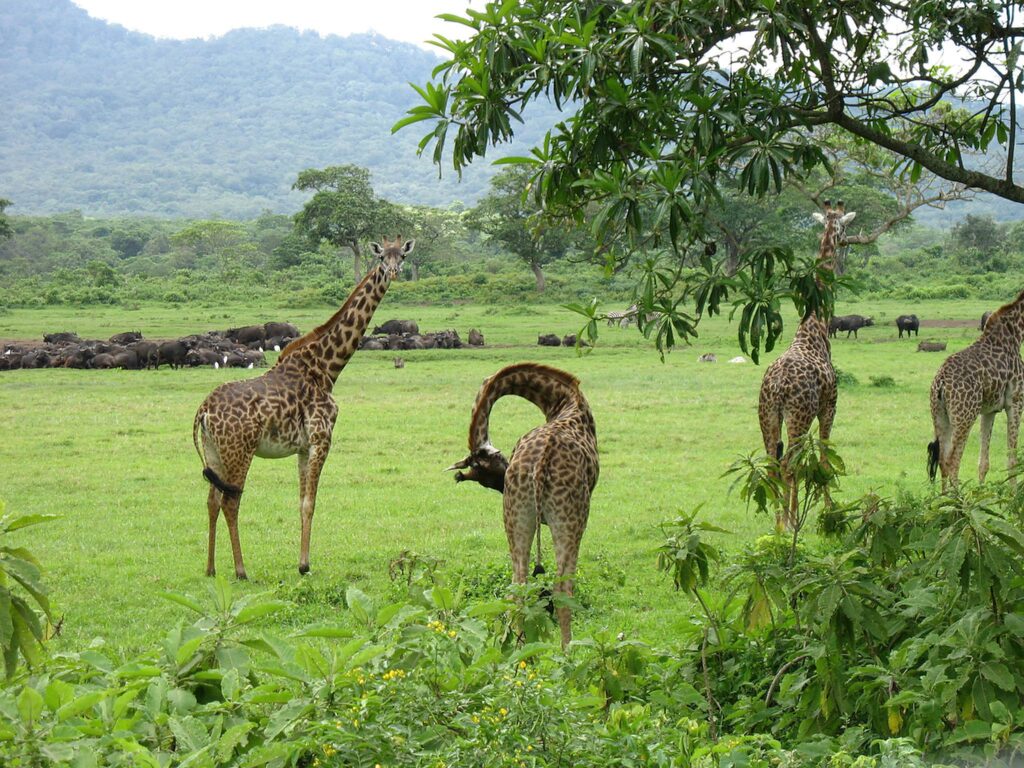
Lake Manyara National Park stretches along the base of the Great Rift Valley escarpment, with a soda lake on one side and a sheer wall of rock on the other. It is small compared with the Serengeti, yet its mix of forest, woodland, grassland and shoreline packs in a surprising variety of wildlife and birds.
The park sits about two hours from Arusha on the road toward Ngorongoro, so it often fits neatly into a northern circuit as a half-day or full-day stop.
Quick tips
- Arrive early to explore the forest while it is cool and quiet.
- Bring binoculars for blue monkeys and birdlife.
- Treat tree-climbing lions as a bonus rather than a goal.
- Ask your guide which lakeshore roads are open on the day.
- Combine the park with a walk in Mto wa Mbu village.
A forest you can drive through
Just inside the main gate, a groundwater forest fed by springs seeping from the escarpment creates a cool, green canopy rarely found in savanna parks. Olive baboon troops are a constant presence, and blue monkeys can be spotted in the trees with patience.
This forest is a pleasant change of scene after dry-country parks, and it is where many visitors start their game drive.
Wildlife and birding
Elephants, giraffes, buffalo, zebra, wildebeest, impala and hippos are all regulars. The hippo pool near the northern section is a favorite stop, and the park has a lively bird list that includes hornbills, storks, pelicans and, at times, flamingos on the lake.
Flamingo numbers vary widely with water levels and food supply, so think of them as a possibility rather than a certainty. Birders should come with binoculars and an open timetable.
About the tree-climbing lions
Lake Manyara became famous for lions that rest in the branches of acacia trees. The behavior still occurs, but sightings are irregular and some seasons pass with few reports.
We prefer to set honest expectations. Enjoy the park for its diversity, and if a lion appears on a branch, consider it a memorable bonus.
Changing water levels
In recent years the lake has risen and flooded some lower areas, which has affected certain roads and lakeshore viewpoints. Conditions continue to evolve, so your guide will choose routes based on what is open at the time of your visit.
Higher water is not all bad news. It reshapes the shoreline, creates fresh feeding grounds for waterbirds and can bring hippos and buffalo into view in new places. A flexible attitude lets you enjoy the park as it is now rather than as an older guidebook describes it.
Fitting Manyara into your itinerary
Because the park lies directly on the route from Arusha to Karatu and Ngorongoro, it pairs naturally with a crater visit the following day. Many guests stay in the highlands around Karatu, where cooler evenings, coffee farms and garden lodges make a restful base.
Manyara also works well as a gentle introduction on the first day of a safari. Drives are shorter than in the bigger parks, which helps travelers ease in after long international flights before tackling full days in the Serengeti.
Activities beyond the game drive
Depending on conditions and operators, extras may include a canopy walkway in the forest, canoeing on the lake when water levels allow, and guided walks along the escarpment edge. Availability changes, so check with us when planning.
Outside the park, the busy town of Mto wa Mbu offers cultural walks through farms, markets and craft workshops. It is a relaxed way to meet local people and learn how the area's many communities live together.
- Canopy walkway, where operating
- Canoeing, subject to lake levels
- Village and banana farm walks in Mto wa Mbu
Frequently asked questions
How much time do we need at Lake Manyara?
A half day covers the forest and main loops, while a full day allows a more relaxed pace and a picnic. Many guests visit en route to Ngorongoro or Karatu.
Is Lake Manyara good for families?
Yes. Drives are relatively short, baboons and elephants are easy to spot, and the park works well as a gentle first taste of safari for children.
Will we see flamingos?
Possibly. Flamingo numbers on the lake fluctuate with water levels and food, so your guide will know the current situation better than any guidebook.
