
How to time your descent, make the most of limited hours on the crater floor, and enjoy a relaxed picnic lunch inside Ngorongoro Crater.
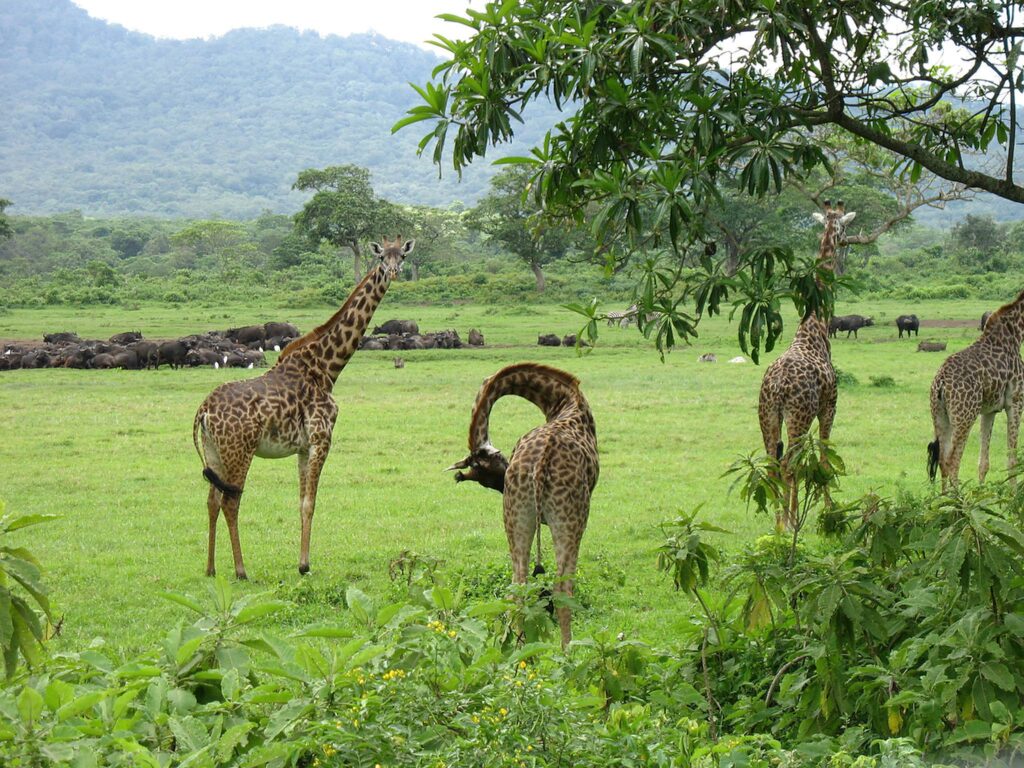
Few places on earth pack so much wildlife into such a compact, dramatic setting. Ngorongoro Crater is a collapsed volcanic caldera roughly 600 meters deep, its floor a mosaic of grassland, swamp, soda lake and acacia woodland where lions, hyenas, buffalo, zebra, wildebeest and the endangered black rhino all live within sight of the walls.
Because the crater is so popular and access is carefully managed, a little planning makes a big difference. Our team in Arusha schedules crater days around one principle: get down early, use your time well and leave before the afternoon rush. Here is how we approach it.
Quick tips
- Leave the rim as early as your lodge allows to beat the vehicle rush.
- Confirm the current time limit on the floor with your guide before descending.
- Keep food covered at picnic sites because black kites are bold thieves.
- Pack warm layers for the rim and sun protection for the floor.
- Bring binoculars to pick out distant black rhino.
Understand the time on the crater floor
The Ngorongoro Conservation Area Authority limits how long each vehicle may spend on the crater floor, and the rule has historically been around six hours per visit. Regulations can change, so treat that as a guideline and let your guide confirm the current limit before you set off.
Descent and ascent roads are steep, mostly one way, and the gates follow fixed opening and closing times. In practice, a six-hour window is plenty for a thorough game drive, a picnic and unhurried sightings, as long as you do not waste the morning at the lodge.
Why an early start pays off
Lodges on the rim sit at roughly 2,300 meters, and the first light often finds the crater filled with mist. Leaving shortly after breakfast, or even taking a packed breakfast, puts you on the floor as predators are still active and before most vehicles arrive.
Morning is also when the light is softest for photography. By midday, heat haze shimmers over the grasslands and many cats retreat into shade. An early descent means your best viewing hours coincide with the quietest roads.
Planning the crater picnic
Eating inside the crater is a highlight, but only designated picnic sites are permitted. The best-known spot sits beside a hippo pool fed by springs, and another lies in the shade of the yellow-barked fever trees of the Lerai Forest. Basic toilets are available at these sites.
Watch out for black kites. These agile birds have learned that tourists carry sandwiches, and they will swoop to snatch food from an open hand. Our guides usually suggest eating inside the vehicle or keeping food close and covered.
- Ask your lodge for a packed lunch the evening before.
- Bring all wrappers back with you; plastic bags have been banned in Tanzania since 2019.
- Stay near the vehicle and follow your guide's instructions at the picnic site.
What you might see
The crater's resident animals do not migrate in large numbers, so sightings are strong year round. Lions and spotted hyenas are common, flamingos gather on Lake Magadi when conditions suit them, and hippos wallow in the pools. Black rhino are present but shy, often seen at a distance, so binoculars are invaluable.
Elephants in the crater tend to be older bulls with impressive tusks. Giraffes are absent from the floor, a quirk explained by the steep walls and lack of suitable browse.
Dressing for two climates
Few visitors expect how cold the rim can be. Early mornings and evenings can feel genuinely chilly, while the floor may be warm by lunchtime. Layers are the answer: a fleece or light down jacket over a T-shirt, with a hat and sunscreen for later.
The roads can be dusty in the dry season and muddy during the rains, so pack a scarf or buff and a cloth for your camera lens.
Frequently asked questions
Can we stay on the Ngorongoro Crater floor all day?
Not usually. The conservation authority has long limited vehicle time on the floor, historically to around six hours, and gates operate on fixed hours. Your guide will confirm the rules in force when you visit.
Is Ngorongoro Crater worth visiting in the rainy season?
Yes. Most animals live in the crater year round, and the green season brings fewer vehicles and lush scenery. Roads can be slippery, so allow extra time and trust your guide's judgment.
Do we need to bring our own lunch?
Lodges and camps normally prepare packed lunches for crater days. Let us know about dietary needs in advance so your hosts can plan accordingly.
