Simba, tembo, twiga and more: learn the Swahili names of Tanzania's safari animals and a few phrases that will make your game drives more fun.

Within minutes of your first game drive, you will hear your guide murmur names like simba or tembo into the radio. Learning a handful of Swahili animal names is one of the easiest and most enjoyable ways to connect with your safari, and it quickly turns into a game the whole vehicle can play.
As a company named after the elephant, Ndovu African Expeditions has a soft spot for this vocabulary. Here is a practical list grouped by type, with a few phrases to help you join in. You do not need perfect pronunciation; guides and lodge staff warmly appreciate any attempt, and a few words often spark the best conversations of the trip.
Quick tips
- Practice the Big Five names on the flight so they are ready for day one.
- Ask your guide to teach you one new animal name each game drive.
- Write the names in a notebook alongside your daily sightings list.
- Pronounce every vowel clearly, since Swahili is spelled almost exactly as it sounds.
- Make a family game of calling out the Swahili name first when an animal appears.
The Big Five in Swahili
Start with the famous five, the animals almost every visitor hopes to see:
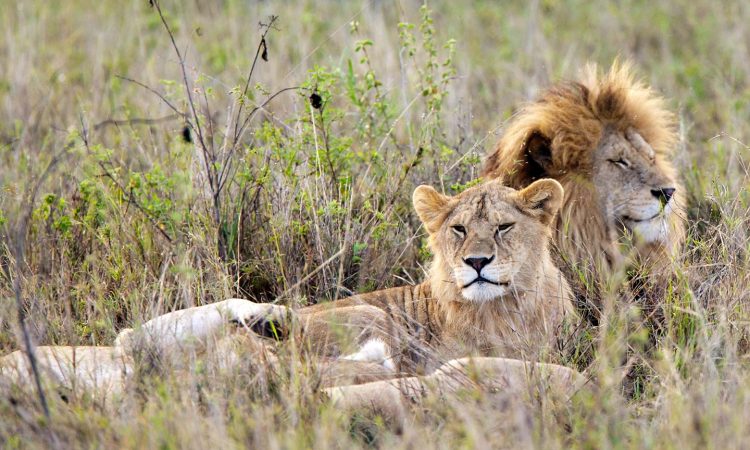
- Simba: lion.
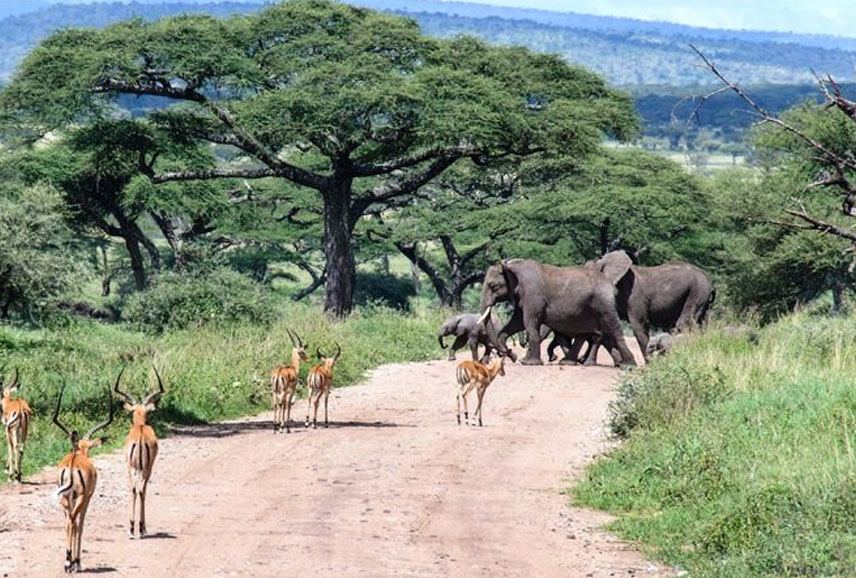
- Tembo or ndovu: elephant. Both are widely used, with ndovu often found in more formal or poetic language.
- Chui: leopard.
- Nyati or mbogo: buffalo.
- Faru or kifaru: rhinoceros.
Plains Grazers and Browsers
The Serengeti and Tarangire are full of these, so you will use them constantly:
- Twiga: giraffe.
- Punda milia: zebra, literally a striped donkey.
- Nyumbu: wildebeest.
- Swala: gazelle or antelope in general, with swala pala for impala and swala tomi for Thomson's gazelle.
- Ngiri: warthog.
- Pofu: eland, and digidigi: dik-dik.
Predators and Scavengers
Beyond the lion and leopard, keep an ear out for duma (cheetah), fisi (hyena), mbweha (jackal) and mbwa mwitu (African wild dog, literally wild dog). Wild dogs are more likely in southern parks such as Nyerere and Ruaha.
Near rivers and lakes, mamba means crocodile, not the snake, which surprises many visitors. A snake is nyoka.
Water, Trees and Sky
Kiboko is the hippo, and the plural is viboko, one of the few animal names on this list that changes in the plural. Most others, such as simba, twiga and tembo, stay the same whether you see one or twenty.
In the trees you may spot nyani (baboon) and tumbili (vervet monkey). Birds in general are ndege, an eagle is tai, an ostrich is mbuni and the helmeted guineafowl is kanga.
Small Creatures and Camp Visitors
Some of the most memorable encounters happen around camp rather than on the plains. The rock hyrax that sunbathes near lodge terraces is pimbi, a hare is sungura and a porcupine, heard rustling at night more often than seen, is nungunungu.
Learning these smaller names is also a good way into Swahili storytelling. Sungura the clever hare is a favorite trickster in East African folk tales, and your guide may well have a story or two to share around the campfire after dinner.
Useful Phrases on a Game Drive
Try these with your guide and watch their reaction:
- Angalia!: Look!
- Iko wapi?: Where is it?
- Pole pole: Slowly, slowly, handy when you want a slower approach.
- Nimeona!: I have seen it!
- Asante sana: Thank you very much, at the end of a great sighting.
Frequently asked questions
Is Swahili hard to pronounce?
It is one of the friendlier languages for English speakers because words are pronounced as written. Stress usually falls on the second-to-last syllable, so twiga sounds like TWEE-gah.
Why are there two words for elephant?
Tembo is the everyday word you will hear most, while ndovu is also correct and often used in more formal or literary contexts. Your guide may use either.
Will my guide speak English on safari?
Yes, professional safari guides in Tanzania speak English, and many speak other languages too. Swahili animal names are simply a fun extra, not a necessity, but guides genuinely enjoy it when guests make the effort.