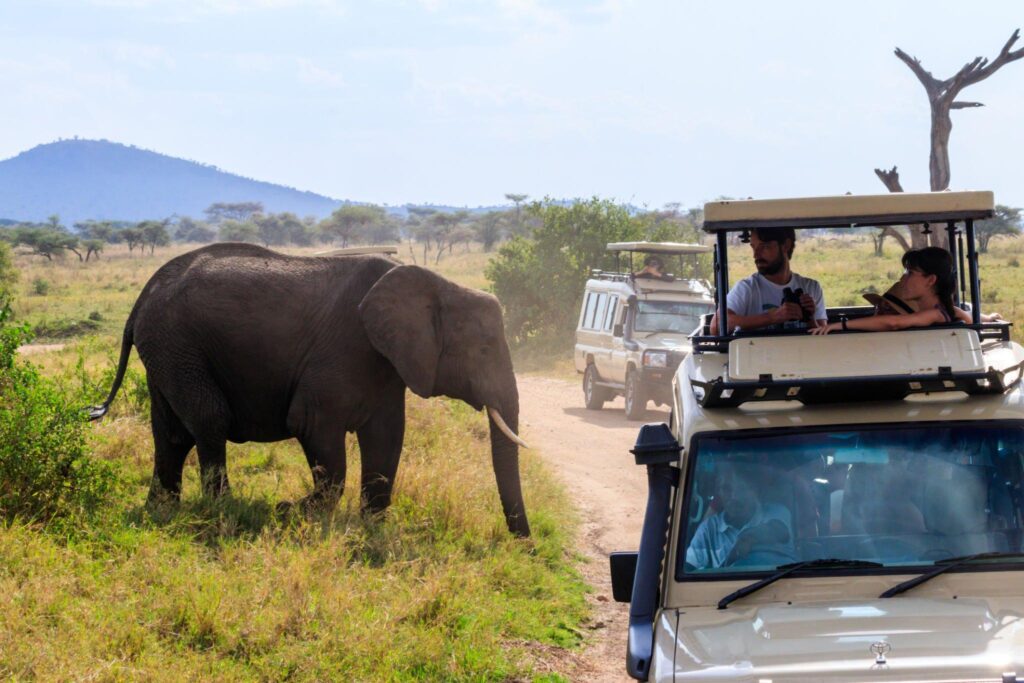
With six days, the northern circuit opens up properly. You can include the Serengeti, the Ngorongoro Crater and a warm-up park such as Tarangire or Lake Manyara without spending the whole trip in a vehicle. It is a favourite length for travellers who want the big names on the list but do not have two weeks. Here is how six-day packages tend to work. Whether you prefer comfort or camping, the structure of the days matters most.
The shape of a six-day safari
A common structure starts with a gentler park near Arusha, moves on to the Serengeti for two nights or more, and finishes at Ngorongoro before the return drive.
Moving every night gets tiring, so a good plan limits the number of lodge changes and builds in unhurried mornings where it makes sense.
Why the Serengeti needs a decent chunk of time
The Serengeti is vast, and the experience improves when you stay long enough to learn its areas rather than pass through. Wildlife movement is linked to seasonal rains, so a guide who understands the current situation is valuable.
If you hope to witness the great migration, tell us the month; its position changes through the year, and we can advise which area is likely to be best.
Choosing between package styles
Six-day trips are available in several styles, from budget camping to mid-range lodges and luxury. The itinerary can be identical across styles, with the difference in comfort, facilities and often how far inside the park you stay.
We tailor it to your dates and budget. Ask us for a current quote.
- Budget camping safari
- Mid-range wildlife safari
- Luxury safari
- Big Five focused safari
Questions to ask before you book
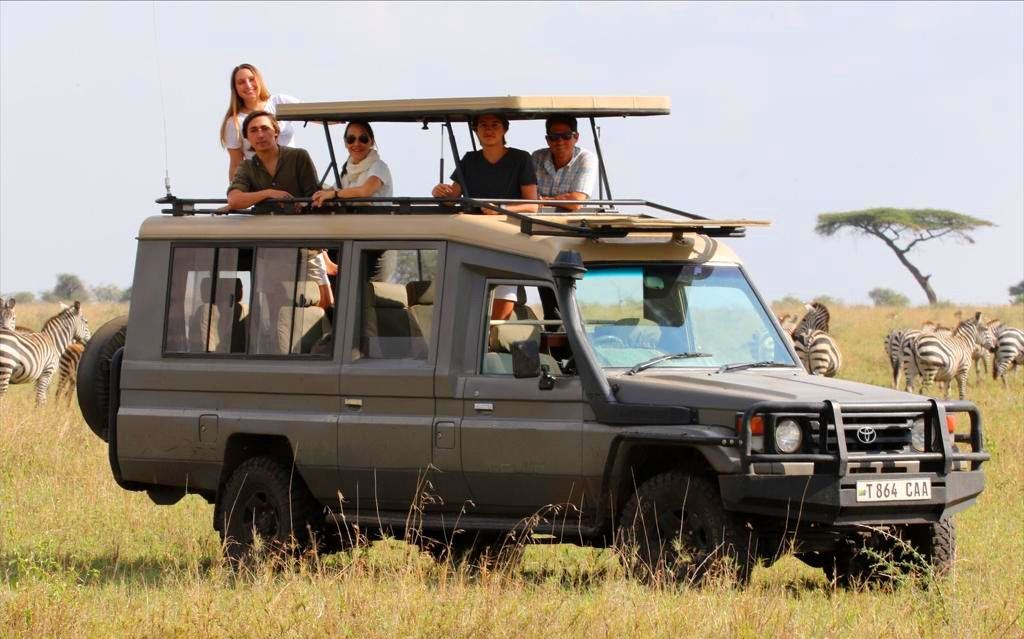
Ask how many hours you will spend driving between parks and how many nights are in each location. Ask whether your vehicle has a roof that opens for viewing and photography, and how many people share it.
Clear answers to these questions say more about quality than any brochure.
A day on a six-day safari
Mornings typically begin before sunrise with coffee and a game drive, followed by breakfast at camp or a picnic in the bush. Midday is for rest, then a second game drive in the late afternoon as the light softens.
On travel days the drive between parks is combined with game viewing on the way. Having a patient guide who stops for wildlife makes these days feel like part of the safari rather than a chore.
Related pages on our site
- 6-day mid-range wildlife safari
- 6-day budget camping safari
- 6-day luxury Tanzania safari
- 6-day Big Five safari
- Serengeti National Park
Frequently asked questions
Is six days enough to see the Big Five?
It gives you a fair chance in the right areas, but no tour can promise any particular animal. Rhino are the hardest to find, with Ngorongoro being the usual place to look. Rhino sightings in particular depend on luck and good guiding.
What is the best six-day route?
A frequent choice is Tarangire or Manyara, then the Serengeti, then Ngorongoro. The best route depends on your month and interests, so share these with us and we will suggest a plan.
Are 6-day safaris suitable for children?
Often yes, with a private vehicle and a flexible schedule. Long days on the road can be tiring for young children, so a slower route with fewer lodge changes is usually better. Ask us about vehicle size and seating.
What is the difference between camping and lodge safaris?
Camping safaris use tents, shared facilities and simpler meals, while lodges offer rooms with private bathrooms. The wildlife and routes are the same. Camping is usually the more economical choice.