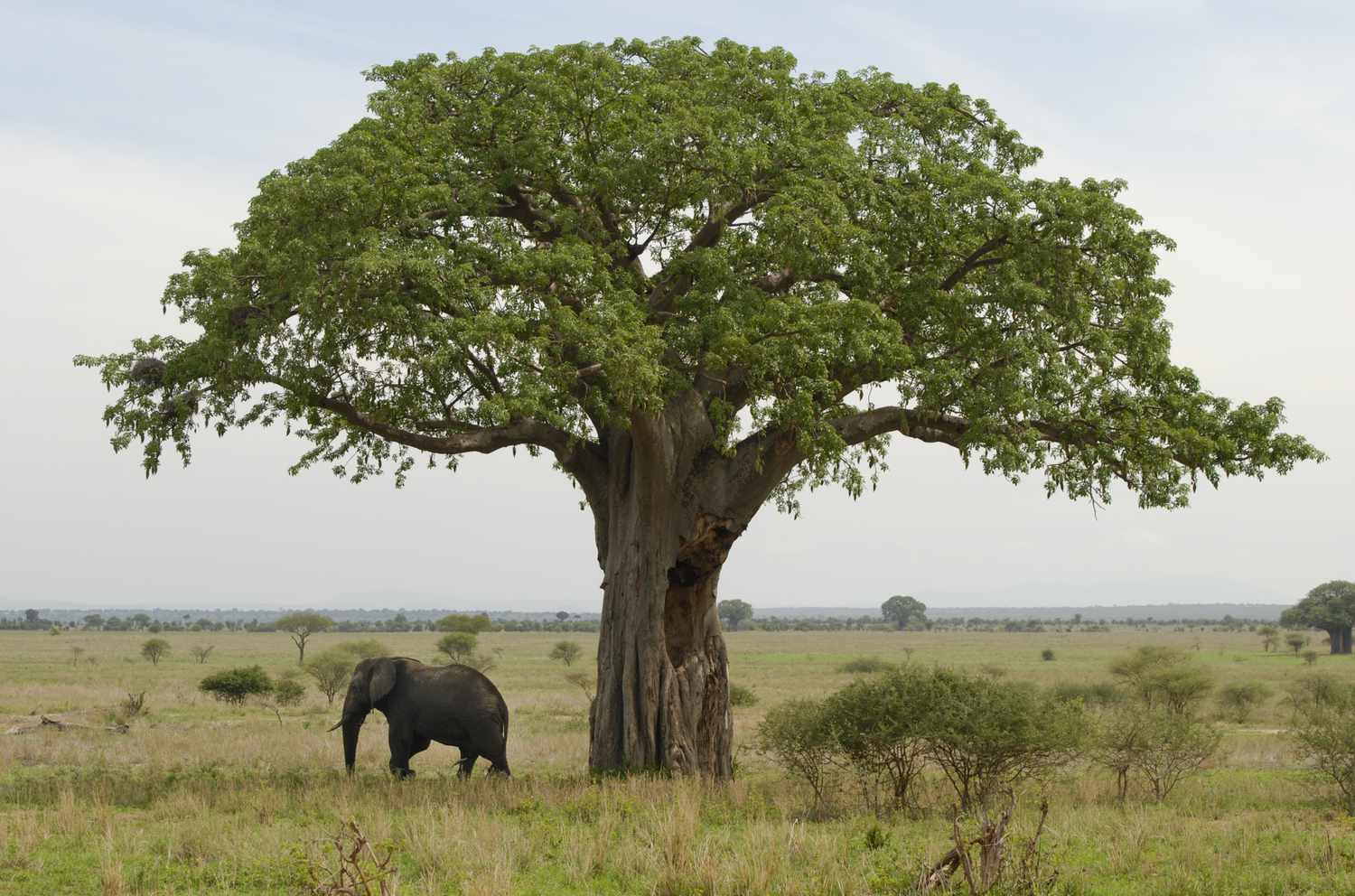
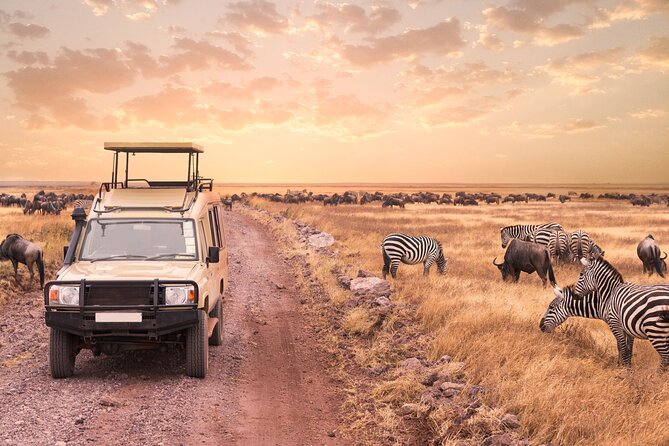
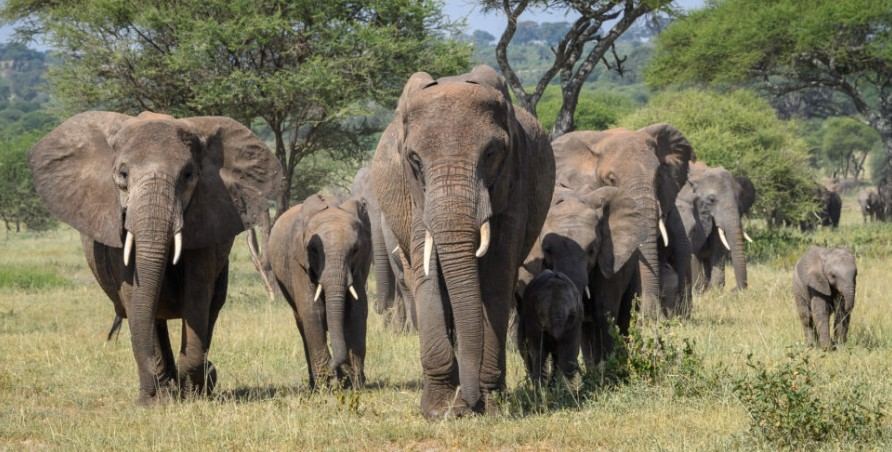
Two weeks is a rare luxury for a safari, and the main challenge is not filling the time but shaping it. Fourteen days can stretch across the northern parks, a southern wilderness and a beach, but only if the pace is considered. Here is how we think about a longer trip, and how to avoid a plan that looks great on paper but exhausts you. Here is how to make it work.
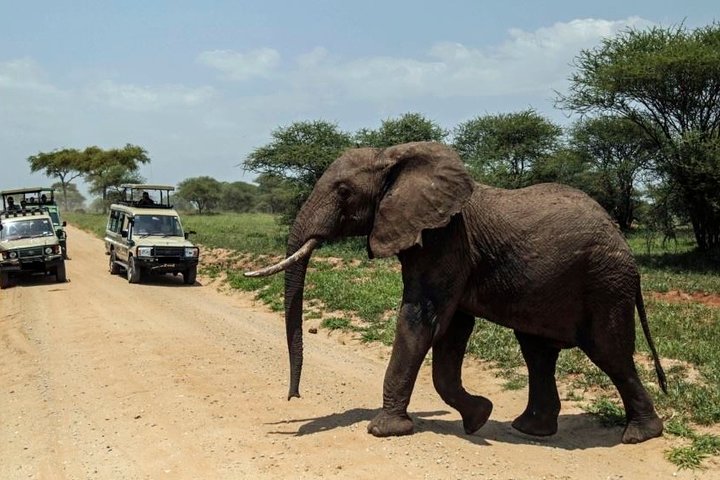
Break the trip into chapters
A long trip works best when it has a few distinct phases rather than one long run of lodges. You might spend the first week in the north, a few days in southern Tanzania, and the last days relaxing on the coast.
Each chapter gives a different landscape and a different feeling, which keeps the whole trip fresh.
- Chapter one: northern circuit
- Chapter two: southern parks or a mountain
- Chapter three: rest on Zanzibar
Build in recovery days
Long itineraries need slack. A free morning, a late start or a simple day at a lodge can improve the rest of the trip. Travellers often regret over-scheduling more than they regret an empty afternoon.
This is especially true for older travellers and families.
One useful approach is to alternate busy and quiet stretches. After four or five days of early drives, a couple of nights somewhere restful reset your energy. Travellers often say these slower days become the part they remember most fondly.
Using domestic flights
Tanzania is large, and small aircraft or scheduled domestic flights can save a full day of travel between regions. Flights come with baggage rules, so soft bags are preferred.
We will advise on which legs are better by air and which are better by road.
Seasonal planning
Over two weeks you can respond to the season. Choose the migration areas that suit your month, avoid the wettest weeks in remote southern areas if access is difficult, and leave coastal days for when the weather suits.
Seasonal patterns shift from year to year, so we treat them as guidance only. We tailor it to your dates and budget; ask us for a current quote.
Packing and logistics for a long trip
A long trip means more laundry, more variety of climate and more chances for things to go slightly wrong. Pack light layers, one warm jacket for early drives, sun protection, and plan for laundry stops at lodges.
Use soft duffel bags, particularly if you will use small aircraft with baggage limits. Keep medicines, documents and valuables in your carry-on.
- Soft bags for small aircraft
- Laundry plan
- Spare chargers
- Copies of documents
Related pages on our site
- 10-day honeymoon safari and Zanzibar
- 12-day Tanzania and Zanzibar
- combine safari and Zanzibar
- domestic flights in Tanzania
Frequently asked questions
Is two weeks too long for a safari?
Not if it is varied. Mixing different regions and including rest days keeps it enjoyable. Many people find the second week is when they truly relax into the experience. Mixing activities also breaks up long days.
Can I do a safari, Kilimanjaro and Zanzibar in two weeks?
It is possible but tight. A shorter mountain route and a streamlined safari can work. We would advise leaving time for recovery and for flights. Check each leg and baggage limit.
How far ahead should I book?
For a long trip with several regions, earlier is better, particularly for popular months and for remote camps with limited space. Contact us as soon as your dates are firm. Flexibility is valuable when planning remote trips.
Is travel insurance important on a long safari?
Yes. A longer trip means more exposure to delays, illness or changes. Choose a policy with medical cover and evacuation, and check what it covers for activities such as trekking.