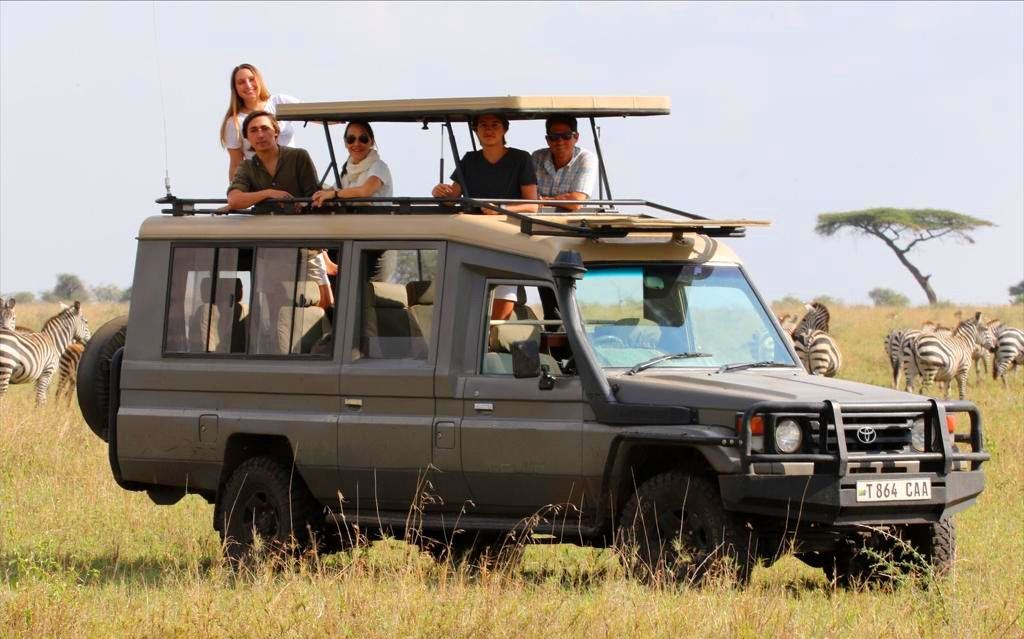
A week on safari is long enough to settle into the rhythm of bush life: early starts, long afternoon pauses, sundowners and dusty roads. Seven days lets the northern circuit unfold in a sensible order, with time for the Serengeti to be more than a quick visit. Here is how a typical week is organised and the choices that change it. Read on for the key decisions that shape a week-long trip, from route to timing and style.
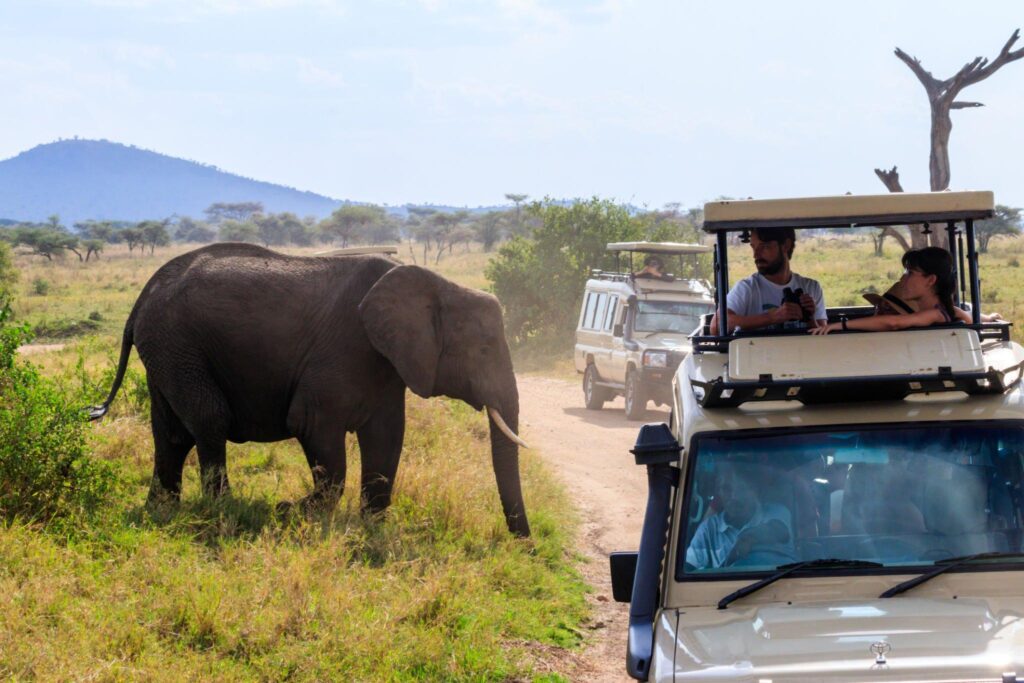
A sensible order for the week
Most week-long itineraries start at Tarangire or Lake Manyara, move on to the central or northern Serengeti, then close at Ngorongoro. This arrangement builds the scale of the landscapes gradually.
You can adjust it by season. In some months the wildlife is better in the south and east of the Serengeti, in others further north, so flexibility matters.
- Arrival and first game drive
- Warm-up park for elephants and birds
- Two or three nights in the Serengeti
- Ngorongoro Crater day
- Return to Arusha
Seasons and the migration
The wildebeest migration follows rainfall in a broad annual cycle, and in most years the herds are in the south around the calving season early in the year and move north later. River crossings are typically in the second half of the year.
Timing is never exact, so we plan around likely areas rather than promises.
Adding something different
A week can also include a night game drive in a permitted area, a cultural visit, or a walking element. These add variety and suit travellers who have already done a standard safari.
If you prefer a lot of time in the Serengeti, a Serengeti-focused week reduces driving.
Fitting the week into a longer trip
Seven days of safari combines easily with a few days on Zanzibar or before a Kilimanjaro climb. Think about flight times and recovery, and avoid squeezing a safari immediately after arriving on a long-haul flight if you can.
We tailor it to your dates and budget; ask us for a current quote.
Choosing your style for the week
A week offers room to choose between camping, mid-range lodges and luxury camps. Camping puts you close to the sounds of the bush and often allows flexible locations, while lodges offer more facilities after long days.
A private safari lets you set the pace, whereas a group departure shares costs. We can quote either, so tell us your preferences and we will explain the differences.
- Budget camping
- Mid-range lodges
- Luxury camps
- Private or group
Related pages on our site
- 7-day Serengeti safari
- 7-day night game drive safari
- 7-day private budget safari
- 7-day luxury safari
- one-week itinerary ideas
Frequently asked questions
What is the best time of year for a 7-day safari?
Wildlife is rewarding year-round. The dry season, typically June to October, is popular for easier viewing, while the green season offers dramatic scenery and fewer visitors. Check expected conditions for your month before finalising the route.
How much driving is involved in a week-long safari?
Quite a lot on some routes, as parks are spread out. A good itinerary limits transfers and uses a fly-in leg where it saves time. Ask us for the approximate drive times for any route. We can arrange a fly-in leg if you want to cut road time.
Can I see the migration in a week?
Often, if you choose the right area for your month. The herds move, so nothing is certain, but a guide with current information improves the odds considerably. Staying longer in the right area makes a real difference.
Is a week too long for a first safari?
Not usually. Most first-time visitors find seven days comfortable, because it allows a steady pace and a good variety of landscapes. If you are unsure, we can build in rest time.