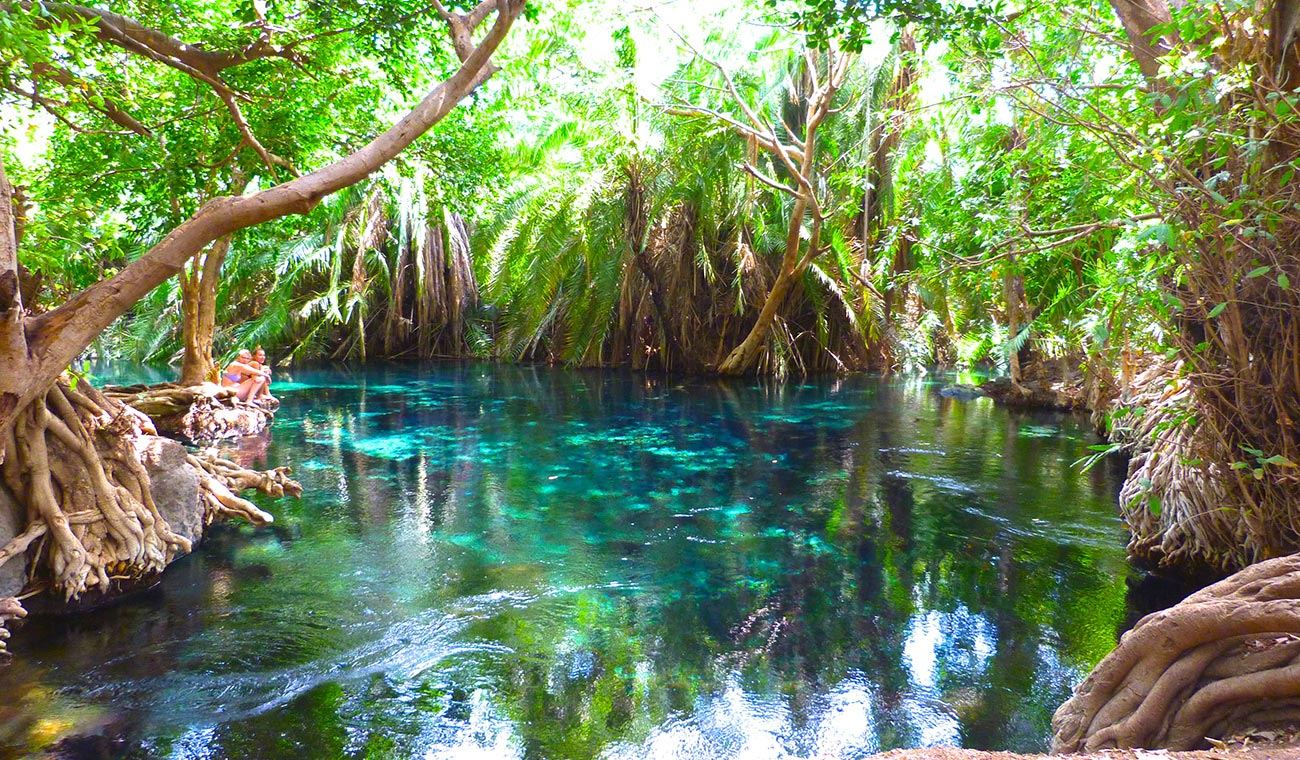
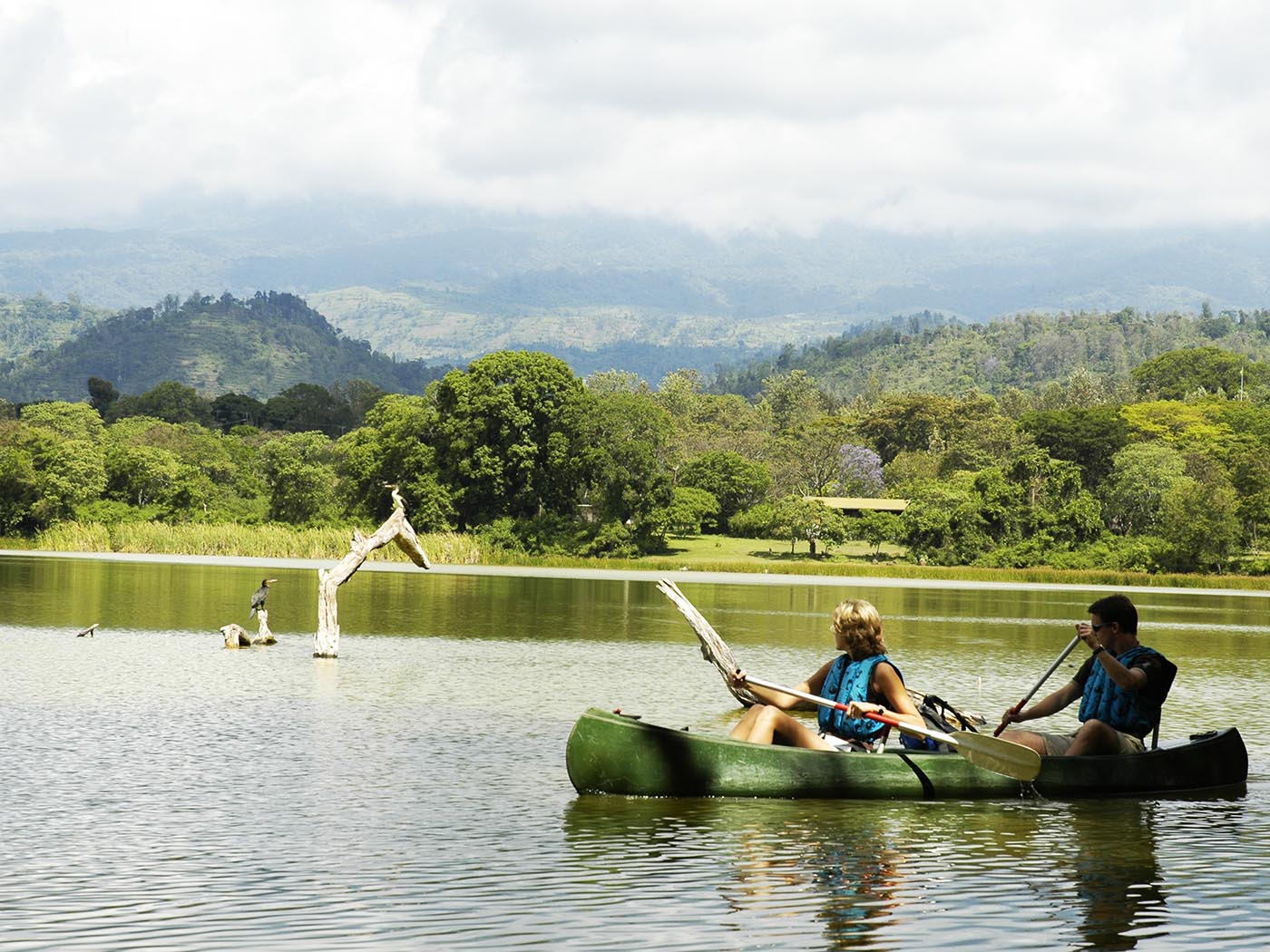
Materuni is a village on the lower slopes of Mount Kilimanjaro, known for a tall waterfall in a green gorge and for Chagga coffee. The trip is a good rest-day activity before or after a climb or safari. This page outlines what the day usually includes, how hard the walk is and how to prepare. It is a gentle, rewarding outing. You will also find notes on the walk, the weather and how to combine it with other plans.

What the day involves
You travel from Moshi or Arusha to the village, then walk through banana and coffee plantations with a local guide. The path leads down into a valley to the waterfall, where you can see the water drop from a height and feel the cool spray.
Afterwards you return for a coffee demonstration, usually in a family homestead.
The coffee experience
Traditional Chagga coffee preparation often includes picking or handling beans, pounding them by hand, roasting over a fire and tasting the finished brew. The process shows how coffee is grown in the shade of banana trees.
Activities vary by host family, and we cannot promise an identical programme each time.
The village is a working community, so remain respectful, ask before taking photographs of people and carry cash in small amounts if you wish to buy coffee or crafts.
The altitude is moderate, so you will not feel the thin air of the high mountain, but the climb back from the falls can feel tiring in the heat. Take your time and drink water regularly.
- Hand-pounding the beans
- Roasting over a fire
- Tasting freshly brewed coffee
- Chance to buy local coffee
How demanding is it?
The walk is moderate: some uphill and downhill on uneven, sometimes slippery paths, especially after rain. Reasonable fitness helps, and good shoes with grip are important. You can go at your own pace.
Tell us if anyone in your group has limited mobility so we can advise honestly.
The Chagga setting
Materuni lies in Chagga country, where small family farms grow coffee, bananas and vegetables on fertile volcanic soil. The village hosts visitors with warmth, and the walk gives a sense of how people live and farm on the mountain.
Ask your guide about local customs, the irrigation channels you may see and how the community benefits from visitors. These details add depth to the day.
Planning your day
It fits well as a rest day after Kilimanjaro or a safari, or as a gentle activity if you are staying near Moshi. Bring water, sun protection, a light rain jacket and a small amount of cash for crafts or tips.
We tailor each trip to your dates and budget; ask us for a current quote.
Related pages on our site
- Materuni waterfalls and coffee tour
- Materuni waterfall
- Chagga culture on Kilimanjaro
- Choosing a day trip from Arusha
- Day trips
Frequently asked questions
Can I swim at Materuni waterfall?
Conditions vary, and the water can be cold and the rocks slippery. Follow your guide's advice and prioritise safety. Many visitors simply enjoy the view and the spray rather than swimming.
Is this trip suitable for children?
Often yes for those who can handle the walk, but the paths can be steep and slippery. Consider your children's age and ability, and let us know so we can advise honestly.
When is the best time to visit Materuni?
The dry months give firmer paths, while the green months give a fuller waterfall. Either can be enjoyable, and the village is pleasant all year if you are prepared for mud.
How long does the trip take?
Often most of a day, including transfers, the walk to the falls and the coffee demonstration. Your timing may vary with the starting point and the pace of your group.