Tanzania is a rewarding destination for birders, with a wide range of habitats within a short distance: soda lakes, acacia woodland, forest, floodplain and mountain slopes. A well-planned tour combines several of these in a few days. Below we outline the main birding areas, the best seasons and the practical equipment you will need. It suits both beginners and keen listers. You will also find advice on the best seasons and the kit that helps.
Lakes that draw the crowds
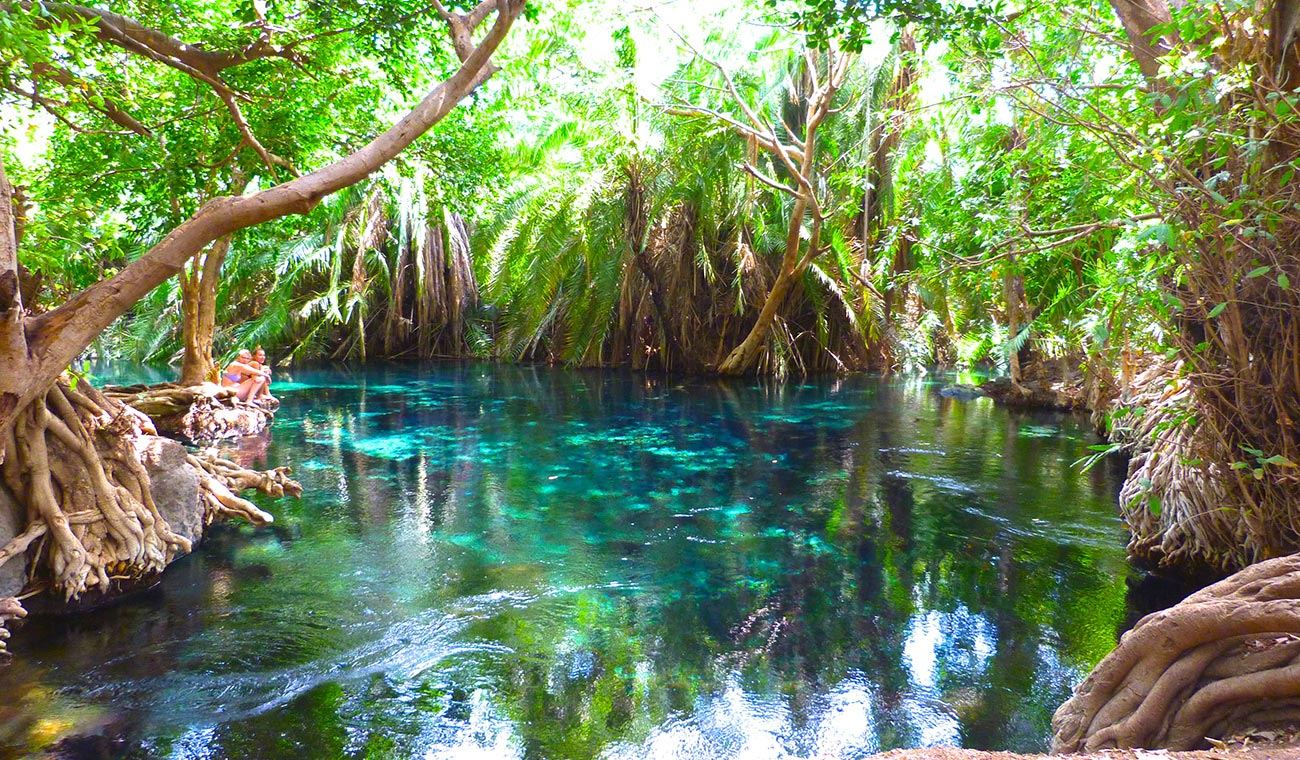
Lake Manyara and Lake Natron are known for flamingos, which gather in the alkaline waters in varying numbers depending on conditions. Other water birds include pelicans, storks, herons and ducks.
Lake Duluti near Arusha offers a quiet place to look for forest and water species.
Parks and woodlands
Tarangire's woodland and baobabs support hornbills, rollers, starlings and raptors. Arusha National Park combines forest, lakes and open country in a small area, so it is often chosen as an easy introduction. The Serengeti and Ngorongoro add ground birds, vultures and raptors.
A guide with bird knowledge will help you identify calls.
Because many sites are close together, you can enjoy a varied list in only a few days without long transfers. Early starts and unhurried stops are the secret of a good birding day.
Bird tours do not need a long itinerary. Even a short stay around Arusha, Manyara and Tarangire gives a wide mix of habitats, and you can add the Serengeti or Ngorongoro if time allows.
- Lake Manyara: water birds and forest
- Tarangire: woodland species
- Arusha National Park: variety in a small area
- Ngorongoro and Serengeti: raptors and grassland birds
When to go
Birds are present all year, but the green months often bring breeding plumage and migrant birds from the north, usually from around November to April. The dry season concentrates birds at water.
Timing of flamingo gatherings varies and cannot be promised.
Birding with a guide
A guide who knows calls and habitats adds a huge amount. Early morning is the best time, when birds are active and the light is soft. Slow walks and quiet vehicle stops work better than fast travel.
Keep a notebook or an app for your list, and ask your guide to point out unusual species. Even common birds like lilac-breasted rollers and superb starlings are rewarding to watch.
Gear and planning
Bring binoculars, a field guide or app, a hat and neutral clothing. A spotting scope is useful but not essential. Mention your interest when you contact us and we shape the pace around birding rather than big game.
We tailor each trip to your dates and budget; ask us for a current quote.
Related pages on our site
- Bird-watching safaris in Tanzania
- Flamingos of Lake Natron and Manyara
- Lake Manyara National Park
- Lake Duluti day trip
- Arusha National Park day trip
Frequently asked questions
When is the best time for bird-watching in Tanzania?
The wetter months often bring migrants and breeding plumage, while the dry season concentrates birds near water. Both have appeal, and your choice depends on which species you hope to see.
Do I need to be an expert?
No. Beginners and enthusiasts can both enjoy a tour, especially with a guide who can identify species. Bring a simple field guide or app, and ask questions freely. Curiosity matters more than experience.
Will I see flamingos?
Often, but numbers vary from year to year and with lake conditions. We cannot guarantee a particular sighting, though your guide will check recent reports and choose the best lake for your dates.
What equipment should I bring?
Binoculars are the essential item. A field guide, a notebook, a hat and a light camera are useful. A spotting scope can help at lakes, but it is optional and adds weight.