Elephants and rhinos are two of Africa's great giants, and northern Tanzania gives you a very good chance of the first and a more limited chance of the second. Planning a trip around them means choosing the right parks and giving yourself time. Here is how it usually works. Both animals reward patience. You will also find advice on timing, itinerary length and responsible viewing. Read on for the practical details.
Elephants in Tarangire
Tarangire is famous for its elephants, especially in the dry months when herds gather along the river. Baobab trees stand among the groups, which makes photographs memorable. Large family herds with calves are common.
Lake Manyara and the Serengeti also hold elephants.
Searching for black rhino
The Ngorongoro Crater is the best-known place to look for black rhino in northern Tanzania. These animals are rare and often sit far from the tracks, so binoculars and a patient guide make a difference. Rhinos in other areas are heavily protected, and details are kept confidential.
No sighting can be promised, which is part of what makes a good one special.
A calm, unhurried approach pays off with both species. Elephants reward you with long, relaxed behaviour, while a rhino may only appear as a distant shape. Both are worth the wait.
Elephants are creatures of habit, following ancient routes between water and feeding areas. Your guide can read the signs, such as fresh dung and broken branches, to predict where herds might appear.
- Binoculars are essential
- Early morning drives are best
- Ask your guide to share spotting tips
- Stay longer if conditions allow
Watching responsibly
Keep a respectful distance, stay quiet and do not disturb the animals. Elephants can be protective of young, so follow your guide's advice if a herd approaches the vehicle.
Conservation efforts rely on strict protection, and park rules apply.
Beyond the two giants
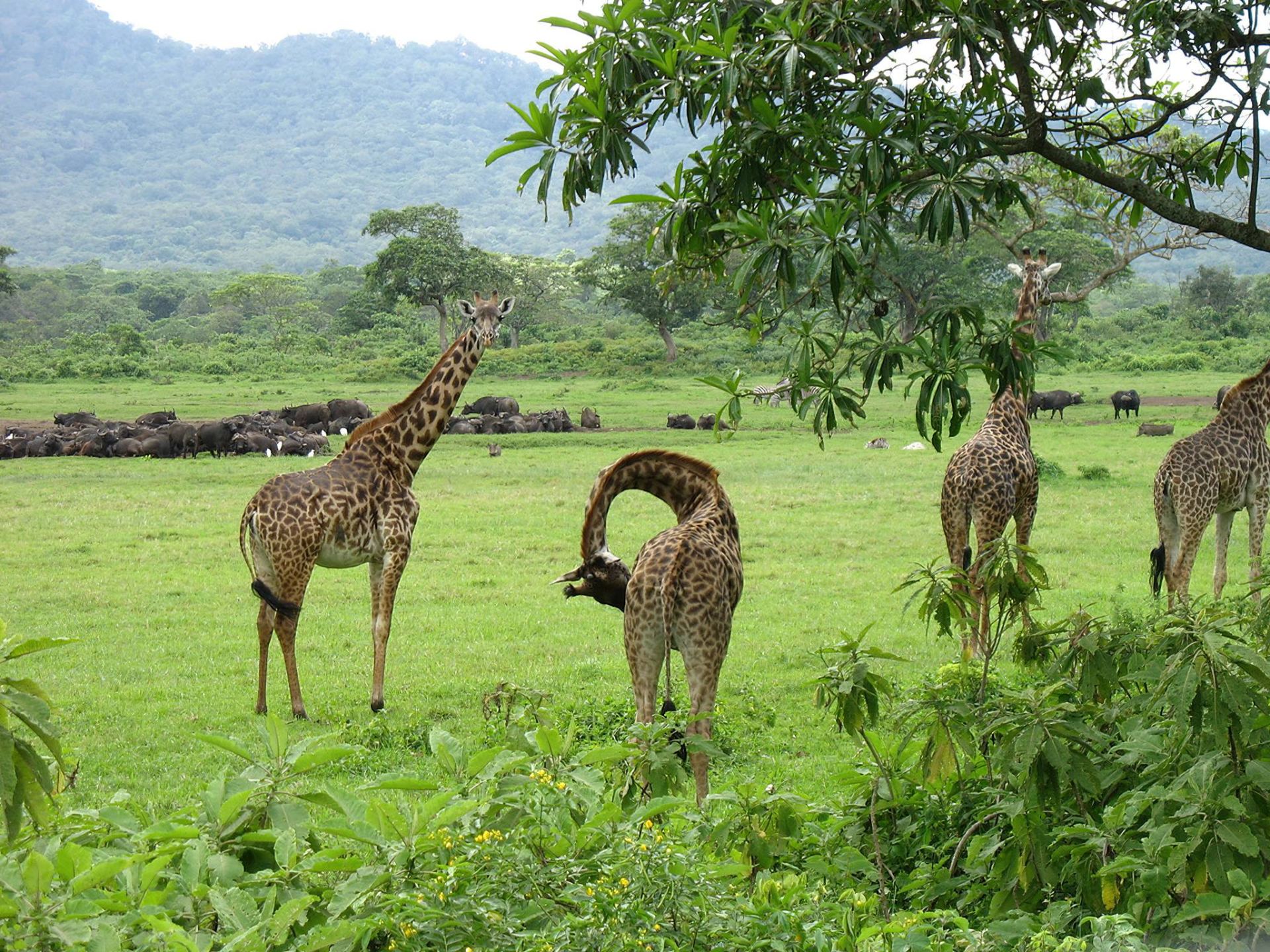
Tarangire and Ngorongoro offer far more than elephants and rhinos. Lions, giraffes, zebras, buffalo and many birds share the same landscapes. A trip planned around two animals will still deliver a full safari experience.
Do not judge the trip by a single sighting. The quiet moments watching an elephant family drink or a rhino graze in the distance often stay with guests the longest.
Planning the trip
Combine Tarangire and the Ngorongoro Crater at minimum, and add the Serengeti if you have time. Dry months suit elephants, though the crater works in any season.
We tailor each trip to your dates and budget; ask us for a current quote. Check current official requirements for park rules, health and visas.
Related pages on our site
- Elephants of Tarangire
- Black rhino sightings in Ngorongoro
- Tarangire National Park
- Tarangire and Ngorongoro safari
Frequently asked questions
Will I definitely see a rhino?
No. Rhinos are rare and sightings are never guaranteed, even in the best locations. A patient approach, good binoculars and an experienced guide all help, and the crater is a beautiful place to spend a day whatever you see.
When are elephants easiest to see?
Often in the dry season, when they gather near rivers in Tarangire. They can be seen year-round, and the green months bring calves and lush scenery, though the animals spread out more widely.
Is it safe to watch elephants?
Yes, if you follow your guide's instructions and keep your distance. Never leave the vehicle, and stay quiet if a herd is close. Your guide understands the signs of an elephant that is uneasy.
Where can I see elephants in a small group?
Tarangire and Lake Manyara are good options, and we can arrange small groups or private vehicles. Ask us for details and we will suggest what suits your party. Tell us what matters to you and we will advise honestly.