Tarangire's dry-season elephant herds are among Tanzania's great sights; here is when to go and how to read and respect these intelligent giants.
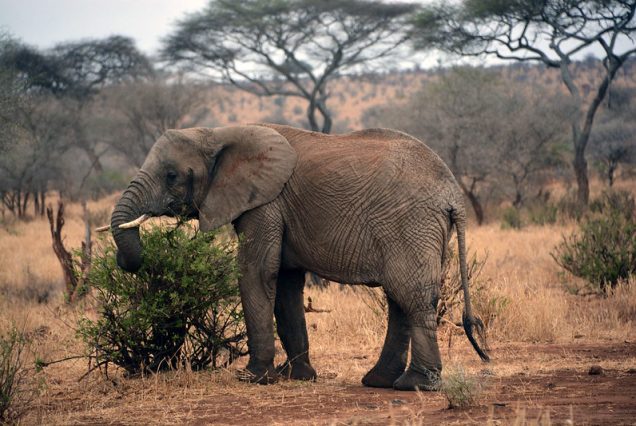
Tarangire National Park often surprises first-time visitors. It sits within an easy drive of Arusha, yet in the dry months it can feel like an elephant kingdom, with family groups filing between baobab trees and gathering along the river to drink, dust and play. For many guests it becomes the park they talk about most after the trip.
Spending time near elephants is a privilege, and it comes with responsibilities. Below we share when Tarangire is at its best, what to watch for in elephant behavior, and the etiquette our guides follow to keep both people and animals comfortable.
Quick tips
- Visit in the dry season, roughly June to October, for the largest herds.
- Spend a full day in the park so you can linger at the river.
- Let your guide keep a respectful distance from family groups with calves.
- Turn off phone sounds and keep voices low at close sightings.
- Watch the baobabs for elephant feeding scars and wildlife resting in their shade.
Why Tarangire Draws So Many Elephants
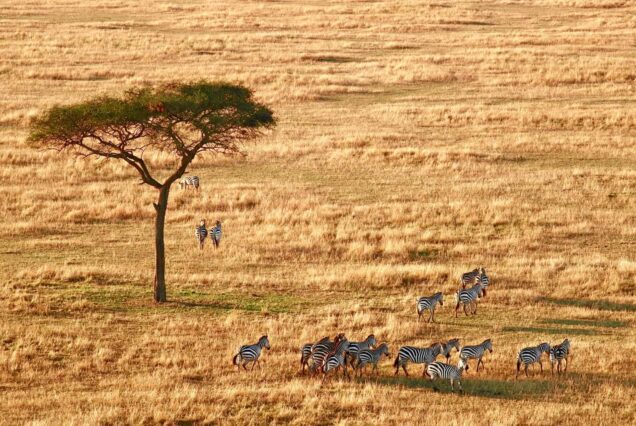
The Tarangire River is the key. During the dry season, roughly June to October, surrounding areas dry out and wildlife moves toward the river, which holds water when other sources have disappeared. Elephants arrive in large numbers, along with zebra, wildebeest, buffalo and many other species.
The landscape adds to the drama. Huge baobabs dot the park, and you will often see their trunks scarred and gouged where elephants have stripped bark to reach the moisture inside. In the wetter months the herds disperse more widely, though Tarangire remains a lovely, quieter park to visit then.
Understanding Elephant Families
Elephant herds are led by an older female, the matriarch, and are made up of related females and their young. Adult males usually leave the family and move alone or in loose bachelor groups. Watching how a herd moves together, protecting calves in the middle and following the matriarch's lead, is one of the most rewarding parts of time in Tarangire.
Young calves are curious and sometimes clumsy, which makes for wonderful viewing, but their mothers and aunts are highly protective. That protectiveness is the main reason guides give family groups extra room.
Signs an Elephant Is Uneasy
Elephants communicate clearly if you know the signals. Your guide will be reading these constantly, but it helps to recognize them yourself.
- Ears spread wide and held out while the elephant faces the vehicle
- Head shaking, trunk swinging or kicking up dust toward you
- A sudden short advance, often a mock charge meant as a warning
- Bulls with streaks of fluid on the side of the head, a sign of musth, when they can be unpredictable
Elephant Etiquette on Game Drives
Good etiquette is mostly about giving elephants choices. Our guides never place the vehicle between a mother and calf or between a herd and the water it is heading for. If elephants want to cross the road, we stop well back and let them pass at their own pace.
Inside the vehicle, keep voices low and avoid sudden movements, especially standing up quickly through the pop-up roof. Engines are often switched off at close sightings so you can hear the rumbles, the swish of trunks and the tearing of grass. If an elephant shows signs of stress, the guide will calmly move away, and guests should never ask to get closer.
Getting the Most From Your Visit
When Ndovu African Expeditions plans a northern circuit itinerary, Tarangire often works well as the first or last stop. The river viewpoints and the area around Silale swamp are often productive, and the park is also excellent for birds, including many species that are easiest to see in its varied habitats. Allow at least a full day rather than a quick pass-through if elephants are a priority.
Frequently asked questions
How far is Tarangire from Arusha?
Tarangire is a comfortable drive from Arusha, typically a few hours depending on stops and road conditions. That makes it a popular first stop on a northern Tanzania safari or a long day trip.
Is Tarangire worth visiting in the wet season?
Yes, though elephant numbers near the river are lower as herds spread out. The park is greener, quieter and very good for birding during the wetter months.
Are elephants dangerous to people in vehicles?
Serious incidents are rare when guides follow good practice and give elephants space. Staying seated, quiet and following your guide's lead keeps sightings calm and safe.