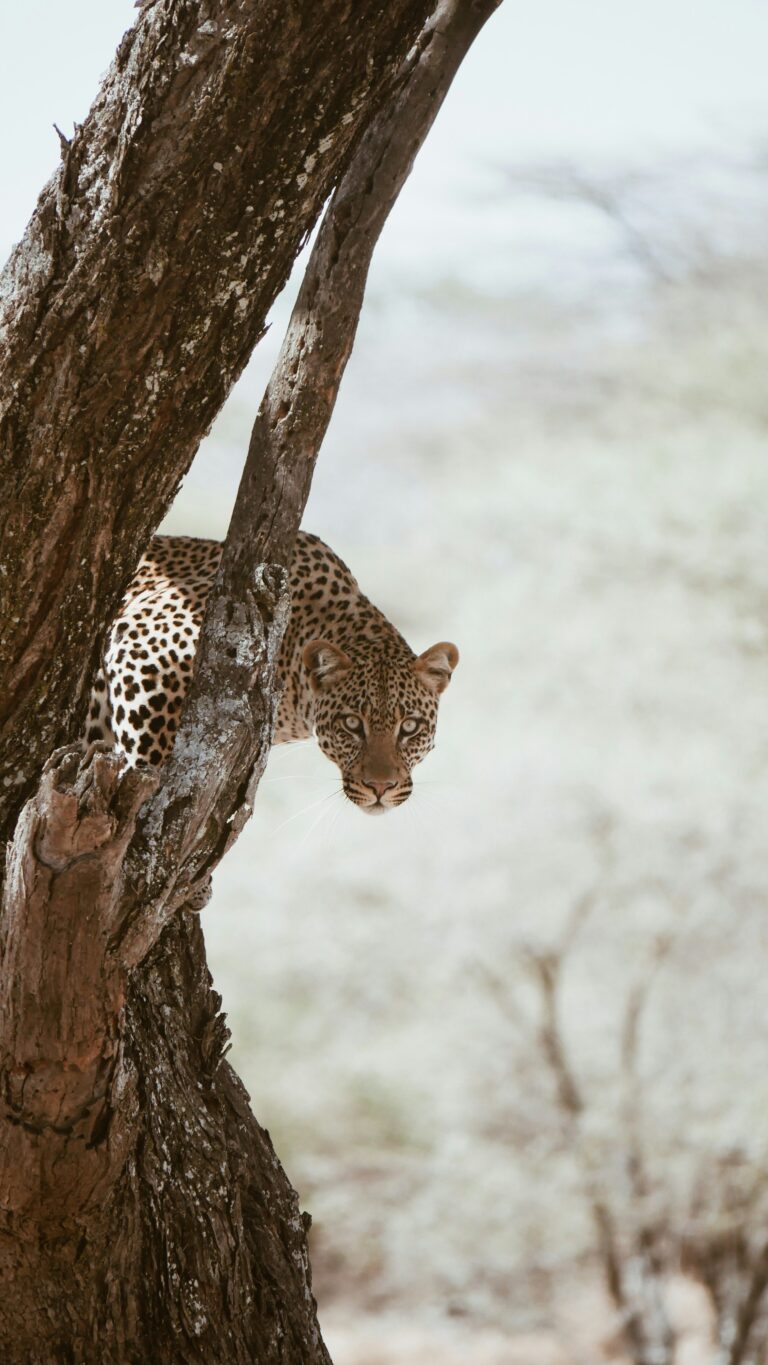
From elephant shrews to warthogs and lesser kudu, Tanzania's lesser-known animals can make your safari richer, funnier and full of surprises.
The Big Five get most of the attention, but a Tanzania safari is far richer than a checklist of five large mammals. Some of the most entertaining encounters come from smaller, stranger or simply overlooked creatures, and keeping an eye out for them makes quiet stretches of a game drive much more interesting.
Two playful lists, the little five and the ugly five, are a fun way to broaden your focus. Beyond them, Tanzania has a huge range of mammals, reptiles and birds that deserve a place on your wish list.
Quick tips
- Tell your guide early that you are interested in smaller animals and birds.
- Bring a bird and mammal checklist to track your sightings.
- Look closely at sandy patches for ant lion funnel traps.
- Watch rocky kopjes for klipspringers, hyraxes and colorful agama lizards.
- Visit Tarangire or Ruaha for antelope species rarely seen elsewhere.
The Little Five
The little five are named to mirror the Big Five. Each is small, and finding them takes sharp eyes and a guide willing to stop for something tiny.
- Elephant shrew: a small, fast insect-eater with a long, flexible snout
- Ant lion: an insect larva that builds funnel-shaped traps in sand
- Rhinoceros beetle: a large beetle with a horn-like projection
- Buffalo weaver: a bird that builds big, untidy communal nests
- Leopard tortoise: a tortoise with a strikingly spotted shell
The Ugly Five
The ugly five is a light-hearted list of animals not known for their looks, but each plays an important role. Spotted hyenas are skilled hunters as well as scavengers. Vultures clean up carcasses and help limit the spread of disease. Marabou storks, with their bald heads and pink throat pouches, are common around water and kills.
Warthogs, who kneel to graze and trot off with tails held upright, are a favorite with guests. The wildebeest completes the list, and anyone who watches the Great Migration quickly forgets any doubts about its looks.
Antelopes and Other Mammals Worth Seeking
Tanzania has a remarkable variety of antelopes. The tiny dik-dik often appears in pairs beside the road, while the klipspringer balances on rocky kopjes. Tarangire holds fringe-eared oryx and lesser kudu, and Ruaha is one of the best places in the country for greater kudu.
The Masai giraffe is the national animal of Tanzania, and seeing one stride across the plains is always memorable. Other species to watch for include the bat-eared fox, serval, honey badger and the rarely seen aardvark, along with primates such as the black-and-white colobus monkey in forested areas.
Birds and Reptiles
Tanzania is a superb birding destination, with many hundreds of species recorded. The lilac-breasted roller is the bird almost everyone photographs. The kori bustard, among the heaviest flying birds, struts through the grasslands, while the long-legged secretary bird hunts snakes on foot. Ostriches are common on the Serengeti plains.
Reptiles add another layer. Agama lizards with bright orange or blue colors bask on rocks at kopjes and lodges, and monitor lizards are often seen near water. Keep an eye on the ground around camp too, where you may spot a chameleon or a tortoise moving slowly through the grass.
Building a Broader Wish List
Telling your guide what interests you makes a real difference. At Ndovu African Expeditions, our guides enjoy stopping for smaller animals, birds and unusual behavior, not just the headline species. A checklist or field guide app can help you track sightings, and it gives children something fun to focus on throughout the safari.
Frequently asked questions
What are the little five animals?
They are the elephant shrew, ant lion, rhinoceros beetle, buffalo weaver and leopard tortoise. The names echo the Big Five to make them fun to find.
Which animals are in the ugly five?
The usual list is the spotted hyena, vulture, marabou stork, warthog and wildebeest. Each is fascinating to watch despite the unkind label.
Is Tanzania good for birdwatching?
Yes. Tanzania has a very large bird list and varied habitats, from soda lakes to woodlands. Even non-birders often enjoy the colorful species seen on game drives.