
Alarm calls, circling vultures and a flicking tail all tell a story; learn to read them and your game drives will become far more rewarding.
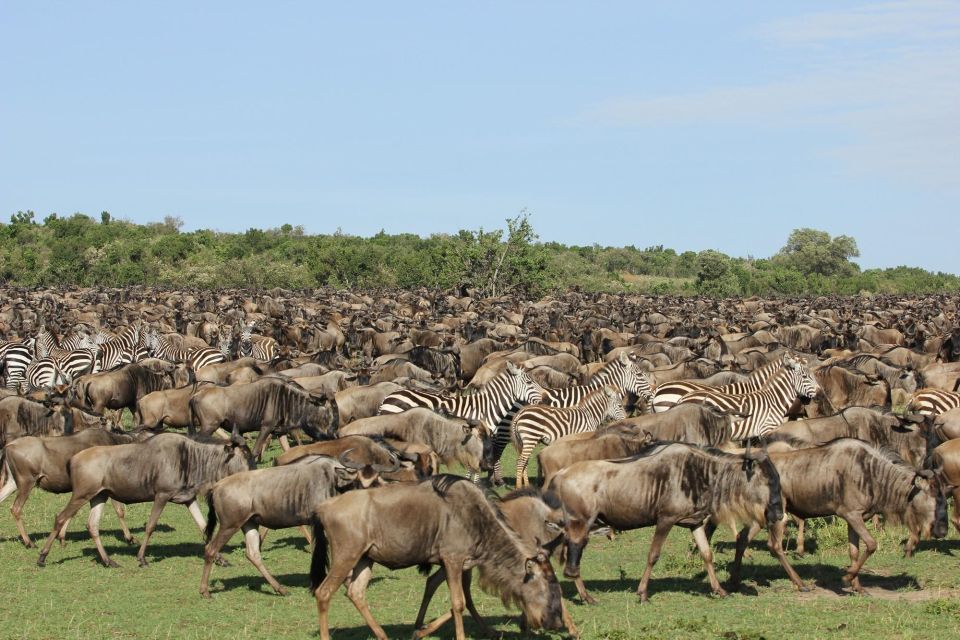
Experienced guides seem to find animals out of nowhere. Much of that skill is not eyesight but interpretation: noticing that a group of impala has stopped feeding, hearing a squirrel chattering in a tree, or seeing a vulture drop sharply from the sky. Animals are constantly signaling to each other, and those signals often lead straight to something worth seeing.
You do not need years in the bush to pick up the basics. Learning a few behavioral clues makes every game drive more engaging, and it helps you understand what you are watching once you arrive at a sighting.
Quick tips
- Ask your guide to turn off the engine occasionally so you can listen.
- Follow the gaze of alert herds and giraffes to find hidden predators.
- Note whether vultures are dropping down or waiting in trees.
- Watch a cat's tail and posture to anticipate a stalk.
- Stay longer at sightings where animals seem alert or tense.
Listen for Alarm Calls
Many species raise the alarm when they spot a predator, and others in the area listen in. Our guides often stop the engine just to listen. Learning which sounds matter will help you join in.
- Baboons give a loud, sharp bark, often repeated, when they see a leopard or lion
- Vervet monkeys use different calls for different threats, such as eagles, snakes or cats
- Impala snort loudly and may stamp their feet
- Francolins, guineafowl and plovers set up a noisy chorus around a predator on the ground
- Squirrels chatter persistently at snakes and small cats
Watch Where Animals Are Looking
When a herd of zebra, giraffe or gazelles all stand still with heads up and ears forward, facing the same direction, follow their gaze. Giraffes are particularly useful lookouts because of their height. Gazelles sometimes bound stiff-legged with all four feet leaving the ground, a display called stotting or pronking, which may signal to a predator that it has been spotted.
Equally telling is relaxed behavior. Grazing herds with young animals feeding calmly usually mean no hunter is nearby.
What Vultures Are Telling You
Vultures are excellent indicators, but they need careful reading. Birds circling high may simply be riding thermals. Vultures dropping steeply in a line toward one spot suggest a carcass on the ground. Many vultures perched in trees nearby but not feeding can mean a predator is still on the kill and they are waiting their turn.
Your guide will weigh these clues against the time of day and recent sightings. Following vultures does not always pay off, but when it does, you may find lions, hyenas or a lively scene of scavengers at a fresh kill.
Body Language of the Big Cats
Once you find a predator, its body language helps predict what comes next. A lion lying flat on its side is deeply resting. A cat that sits up, stares intently and lowers its head is paying attention to something. A slow, crouched walk with shoulder blades raised signals a stalk.
Tails are especially expressive. A gently swaying tail is usually relaxed, while a sharp, repeated flicking of the tail tip can show irritation or focus. If a lioness starts flicking her tail and staring at prey, it is worth staying put.
Patience Pays
Understanding behavior changes how you spend time at a sighting. Instead of moving on after a few photos, you will recognize when something is about to happen. Ndovu African Expeditions guides are happy to explain what they are seeing and hearing, so ask questions and let them read the scene with you.
Frequently asked questions
Do guides really find animals by sound?
Yes, often. Alarm calls from monkeys, baboons and birds regularly lead guides to leopards, lions and other predators that would otherwise be hidden.
Does circling always mean a kill?
No. Vultures often circle while soaring on rising warm air. Birds descending sharply or gathering in trees are a stronger indicator of food below.
How can I tell if a lion is about to hunt?
Signs include intense staring, a lowered head and a slow crouching approach toward prey. Hunts are unpredictable, so patience and a good vantage point help.
