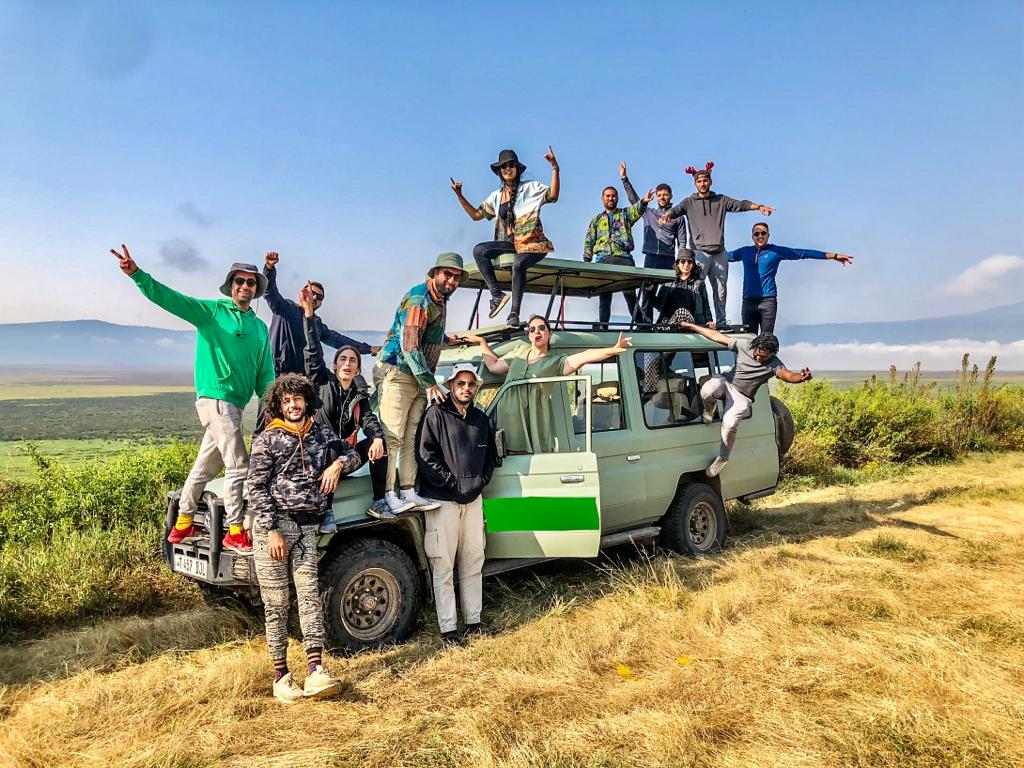
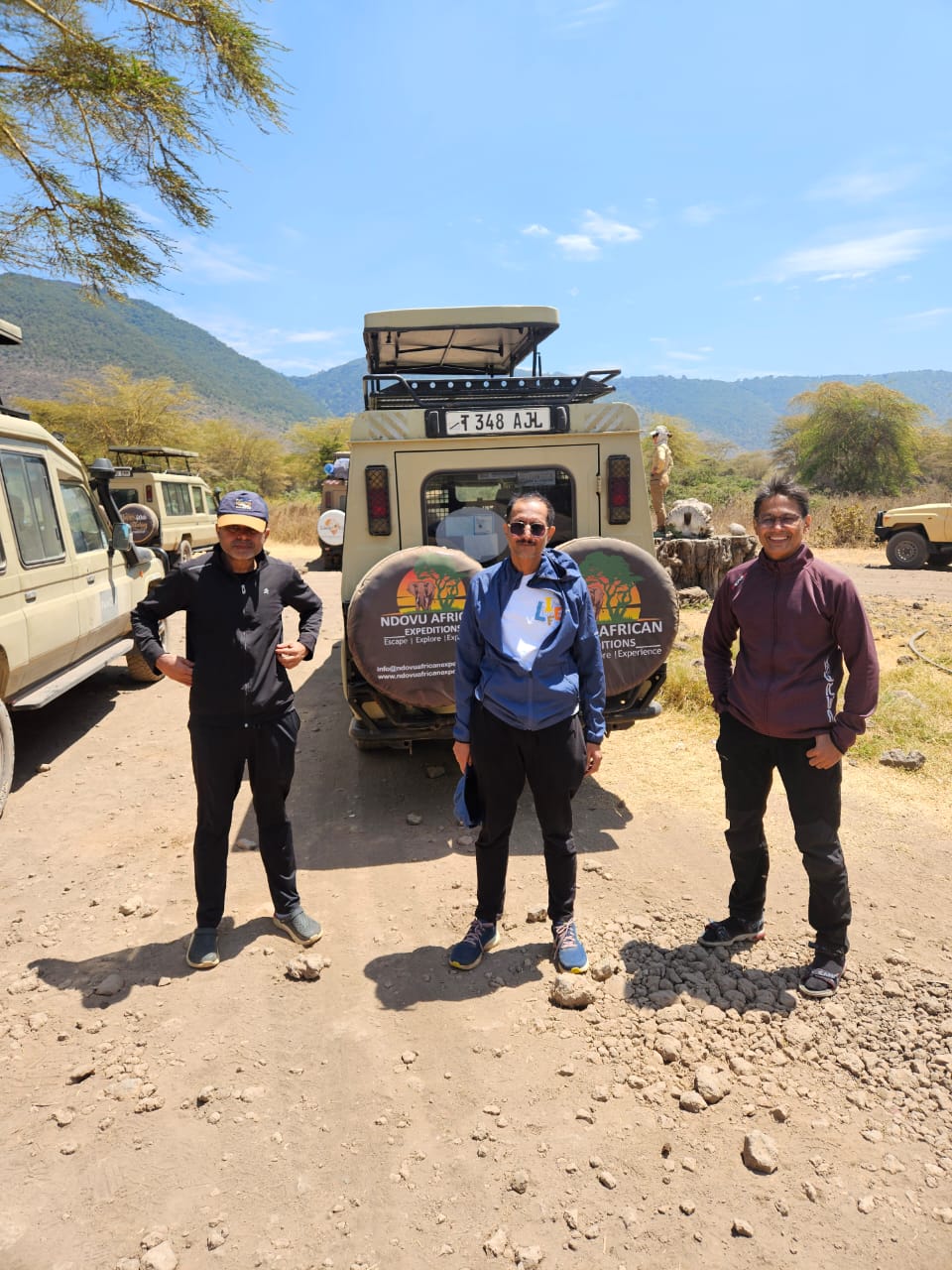
Travelling alone is a rewarding way to experience a safari: you set your own pace, talk to your guide as much as you like, and meet others at camp if you wish. The main question for solo travellers is how to handle the cost of a vehicle and a room. Here are the options and the practical points that make the trip smooth. This guide explains how to choose between them.
Shared or private
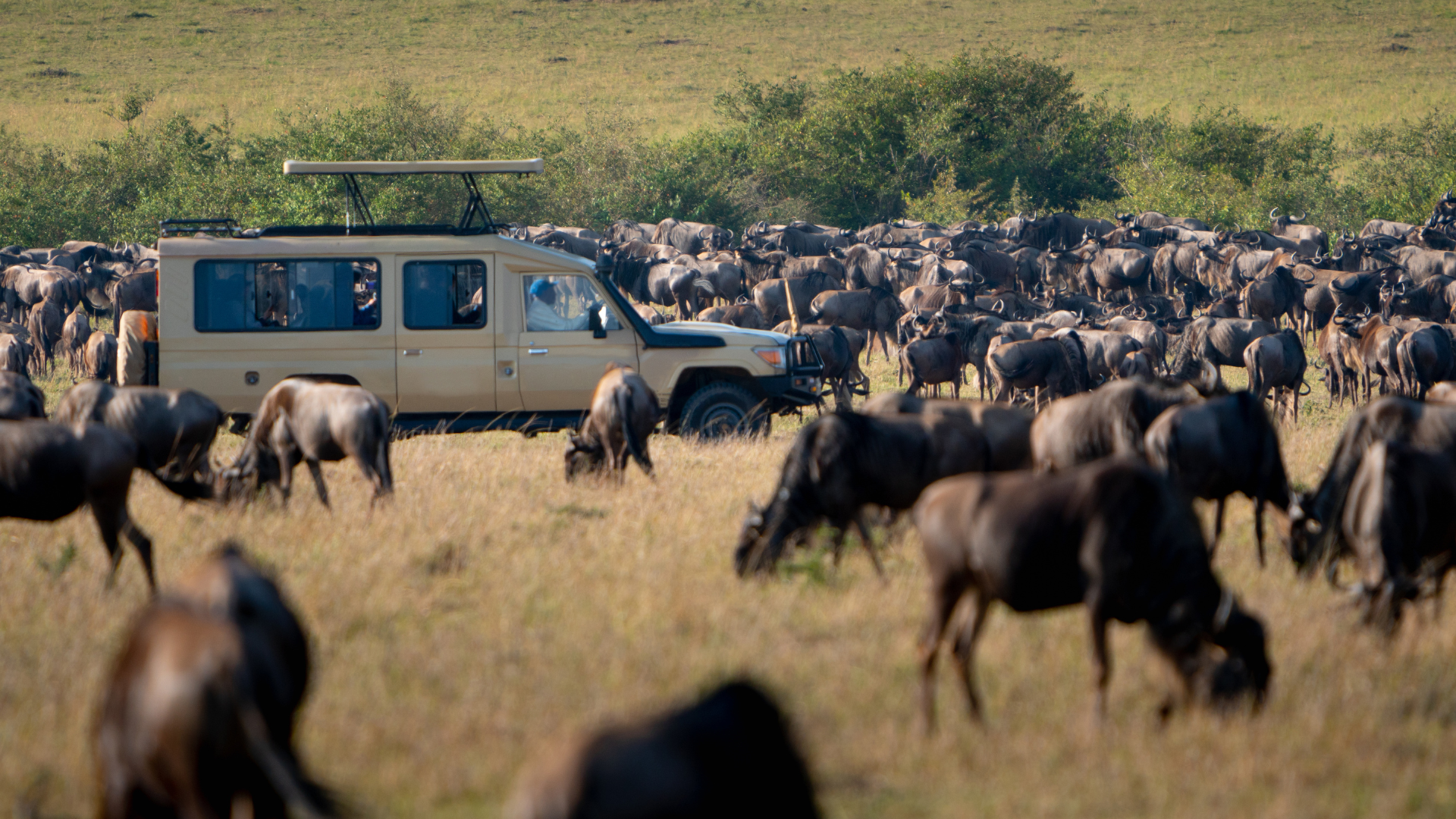
On a shared departure you join other travellers in one vehicle, which spreads the vehicle cost and offers company. On a private safari you have a vehicle and guide to yourself, which suits photographers and those who want flexibility.
Both are valid, and the right one depends on your budget and temperament.
Some solo travellers mix the two, taking a group departure for the first few days and then continuing privately, or the reverse. If your plans are flexible, mention it, and we will explain what is possible on your dates.
- Shared: more company, set dates
- Private: full flexibility, higher cost
- Mixed: some days shared
Single supplements and rooms
Many lodges and camps charge extra for single occupancy, though policies vary. Camping trips and shared rooms can reduce this. Ask us how a given trip handles single travellers.
We tailor it to your dates and budget; ask us for a current quote.
Single travellers sometimes worry that they will pay far more than couples. In practice, the vehicle and guide cost is shared on group departures, and room arrangements vary widely. The simplest thing is to tell us your budget and preferences and let us show you the options.
Feeling safe and looked after
Your driver-guide is with you throughout, and camps have staff who escort guests after dark. Share your plans with family and follow safety briefings carefully.
Take sensible precautions in cities such as Arusha and Dar es Salaam, as you would anywhere, and keep valuables secure.
Making the most of time alone
Solo travellers often enjoy slow mornings, journaling and conversations with guides. Consider adding a walking activity, cultural visit or short trek to meet people and vary the pace.
Bring a good book, a camera and binoculars.
Where to base yourself before and after
Many solo travellers arrive a day or two early to adjust to the time zone and meet their guide. Staying somewhere comfortable in Arusha makes the start of the safari easier, and a final night there helps if you have a late flight.
Our guides for travellers cover where to stay before and after your safari, and how to get from the airport.
Related pages on our site
- Tanzania safari for solo travellers
- budget group join safari
- budget private safari
- keeping valuables safe
- getting the most from your guide
Frequently asked questions
Is Tanzania safe for solo travellers?
Many people travel alone without problems. Safaris are guided, so you are rarely on your own in the wild. Follow local advice and check current official travel guidance before leaving. Solo travellers often tell us this helps them relax. Both styles can work well if you choose carefully.
Will I be lonely on safari?
Not usually. You spend time with your guide, camp staff and fellow guests, and many solo travellers say they meet interesting people. Shared departures add more company. Policies differ between accommodation providers. We will explain the cost structure clearly.
Can I join a group as a solo traveller?
Often yes, subject to departure dates. Group joins can be a good way to keep costs down. Ask us what is available for your dates. Each option has advantages, and we will explain the difference openly. Contact us with your dates to hear what suits you.
How do I meet other travellers on safari?
Camps and lodges have shared dining areas and campfires, and group departures bring you together with others. Walking activities and cultural visits are also good places to chat. Sharing a vehicle also spreads the cost.