A safari with small children is possible, and many families love it, but it works best when you plan around your children rather than around the animals. Short drives, flexible schedules, a private vehicle and a lodge with space to run around make all the difference. Here are the main things to think through before you travel. Our advice is to plan for the children first. Here is what to think about first.
Choose a gentle itinerary
Long transfers are the hardest part. Pick fewer parks, spend more nights in each, and keep the days shorter. Tarangire and Lake Manyara are within reach of Arusha and can be good starters.
The Ngorongoro Crater is a long day for small children, so discuss whether it suits yours.
Many families also find that younger children cope better with a base-camp approach, staying three nights in one place with short drives, instead of moving each day. It keeps routines intact, helps with naps and allows the little ones to enjoy the lodge too.
Keep expectations modest. Young children may be thrilled by an elephant one minute and fast asleep the next. Short game drives, plenty of breaks and a relaxed attitude to what you see will make the trip far more enjoyable for the whole family.
Private vehicle and flexibility
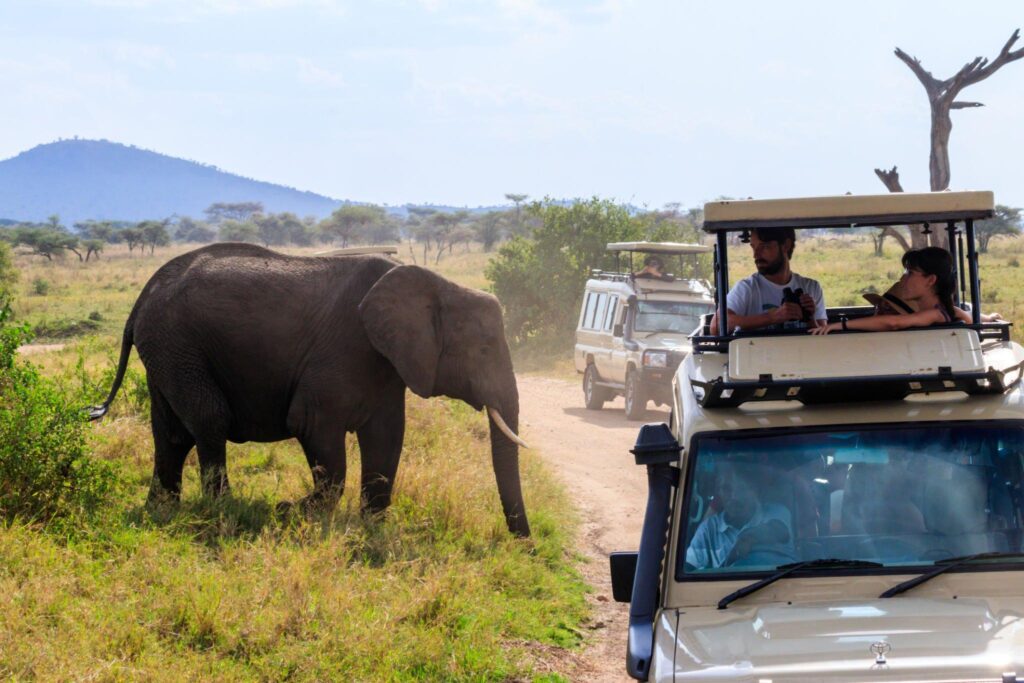
A private vehicle lets you pause for naps, snacks and toilet stops without worrying about others. You can head back to the lodge when children are tired, instead of waiting for a group.
Ask whether the vehicle has seat belts and enough space for car seats, and what we can arrange.
- Own vehicle and guide
- Nap-friendly schedule
- Room for snacks and games
- Seatbelt and car seat checks
Health and safety
Speak to a doctor or travel clinic well ahead about vaccinations, malaria prevention and sun protection for children. Requirements change, so check current official advice.
Lodges and camps have rules about unaccompanied children and age limits for certain activities. Ask before you book.
Keeping children engaged
Give children binoculars, a notebook and a simple checklist. Stories about animals help. Plan pool time, and pack familiar snacks and books.
We tailor it to your dates and budget; ask us for a current quote.
What to pack for little ones
Pack hats, high-factor sun protection, light long sleeves and a warm layer for early drives. Bring familiar snacks, books, a small torch and any comfort items. Insect repellent suitable for children is also worth checking with a doctor.
Keep medication, spare clothes and wipes in a day bag within reach. Laundry is often available at lodges, which reduces how much you need to carry.
- Hats and sun protection
- Warm layers
- Snacks and books
- Spare clothes in a day bag
Related pages on our site
- Tanzania family safari
- family safari planning
- safari with a medical condition
- dealing with dust on safari
- 3-day mid-range safari
Frequently asked questions
What age is suitable for a safari?
There is no single answer. Some lodges set minimum ages, and children of four or five onward tend to enjoy it more. Check each property's policy and your doctor's advice. Younger children may need shorter days. Always follow the lodge's own rules.
Is it safe for young children?
Safaris are done carefully with trained guides and clear rules, but it requires supervision, especially around camps and wildlife. Choose accommodation with family experience. Choose a place that is used to families.
How many days should we choose?
Many families choose a shorter safari with fewer moves, such as four to six days, then rest by a pool or on the coast. The right length depends on your children.
Should we do a fly-in safari with children?
A fly-in can reduce long drives, which is useful with small children, but luggage limits apply. Weigh the convenience against the cost and the baggage rules. Pack extra snacks, wipes and a small first-aid kit.