
August means dramatic Mara River crossings, dry-season wildlife concentrations and high demand, so smart planning and early booking make all the difference.
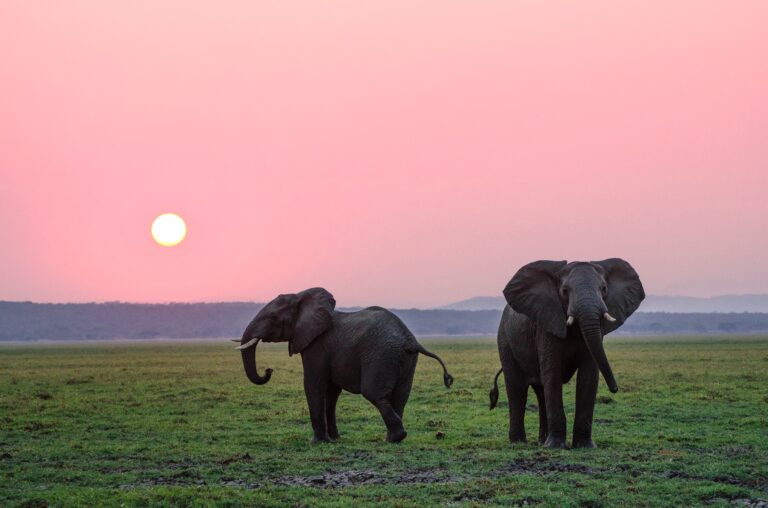
August is the month many travelers picture when they dream of Tanzania: dust kicked up by thousands of wildebeest, herds massing on a riverbank, and the tension before the first animal jumps. It is peak season for good reason, and it rewards careful planning.
As an Arusha-based operator, we field more August requests than for almost any other month. These are the things we tell every guest considering a trip at this time of year.
Quick tips
- Stay at least three nights in the northern Serengeti if river crossings are your goal.
- Book flights and camps nine to twelve months ahead for August travel.
- Pack a warm jacket for cold early-morning drives.
- Bring a dust-proof bag or cover for your camera gear.
- Keep expectations flexible, since crossings never run on a schedule.
Mara River crossings in the northern Serengeti
From roughly July to October, the migration is usually in the northern Serengeti, where the herds repeatedly cross the Mara River. Areas around Kogatende and Lamai are well known for crossing points, and staying in the north rather than visiting on a long day trip is essential.
Crossings are unpredictable. Herds can gather on the bank for hours and then turn away, or cross several times in a day. Patience is part of the experience, and our guides will often position the vehicle and wait rather than chase every rumor on the radio.
Remember that the northern Serengeti is a long drive from Arusha. Many travelers fly in to save time, then spend their days near the river rather than on the road. If you drive, break the journey with nights in the central Serengeti.
Dry-season wildlife everywhere else
August is excellent across the northern circuit, not just at the river. Tarangire is at its best for elephants, Ngorongoro Crater is reliable as always, and the central Serengeti continues to offer strong resident predator sightings even after the herds have moved north.
Short grass and sparse foliage make spotting easier, and animals stay close to water, which means more predictable game drives.
Dealing with crowds
Popular crossing points and the Ngorongoro Crater floor can become busy in August. A few practical strategies make a real difference:
- Start game drives at first light, before most vehicles arrive
- Take a picnic lunch so you can stay out during the middle of the day
- Visit Ngorongoro Crater early in the morning
- Spend more nights in fewer places to cut transit time
- Consider flying between parks to reach remote areas faster
Book early and expect high-season pricing
August overlaps with summer holidays in the United States and Europe, and the best-located northern Serengeti camps are often booked many months ahead. We recommend starting your planning nine to twelve months out if you want specific camps or have a family to accommodate.
Lodge rates are generally at their highest in this period, and domestic flights fill quickly too. If budget matters, ask us about well-placed mid-range options or adding a less busy area such as southern Tanzania alongside the north.
Weather and packing for August
Expect dry, sunny days, cool mornings and dusty roads. Nights at higher elevations, including the crater rim and parts of the Serengeti, can be cold. A warm jacket, a dust cover for your camera and eye drops are useful additions.
Mornings in an open-roof vehicle can feel colder than the forecast suggests, so a hat and gloves are not overkill for the first hour of a dawn drive. By midday you will be down to a single layer.
Frequently asked questions
Are Mara River crossings guaranteed in August?
No. August is a strong month for crossings, but the herds decide when and where to cross. More nights in the northern Serengeti significantly improve your chances.
How far ahead should I book an August safari in Tanzania?
We recommend nine to twelve months ahead, especially for northern Serengeti camps and family rooms. Last-minute availability can exist but choices are limited.
Is August too crowded for a good safari?
Some sites are busy, but with early starts, longer stays and well-chosen camps you can still enjoy quiet, memorable sightings. Large areas of the Serengeti remain uncrowded.
