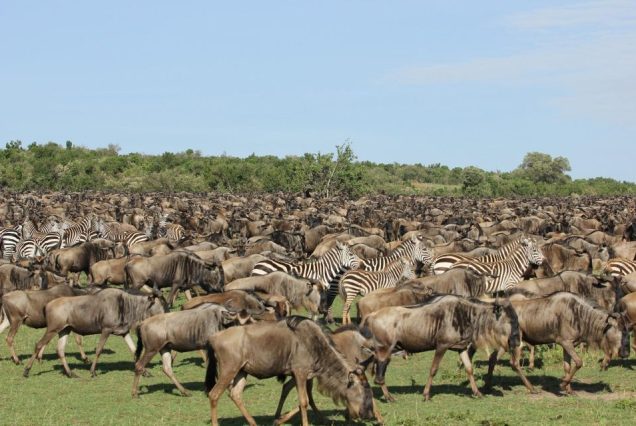
June brings cooler, drier days, thinning vegetation and the migration moving through the central and western Serengeti toward the Grumeti River.
June is when Tanzania shifts gears. The long rains have usually finished, the grass begins to dry and shorten, and wildlife becomes easier to spot as animals start gathering around permanent water. It is the start of the classic dry-season safari, yet it often feels less hectic than July and August.
Our team in Arusha likes June for travelers who want great game viewing with a little more breathing room. Here is how the month typically plays out on the ground.
Quick tips
- Plan at least three nights in the Serengeti to give yourself the best chance of finding the herds.
- Avoid dark blue and black clothing in tsetse areas.
- Pack warm layers for dawn drives and the Ngorongoro Crater rim.
- Include Tarangire, which improves steadily as the dry season advances.
- Consider pairing your safari with a Kilimanjaro climb in the dry season.
The migration in June
After leaving the southern plains, the wildebeest and zebra herds usually travel north and west. In June they are commonly found in the central Serengeti and the western corridor, where the Grumeti River can produce river crossings, famously watched by large crocodiles.
The wildebeest rut often overlaps with this period, so you may see males chasing, sparring and calling. Movement is never on a fixed timetable, and in some years the herds linger or split into columns, which is why we plan June itineraries with central Serengeti accommodation that gives access to more than one area.
For many guests, the real reward of June is the sense of motion: long lines of wildebeest crossing the plains, zebra mixed among them and predators shadowing the edges of the herd.
Weather and what to wear
June days are generally dry, sunny and pleasant, while early mornings and evenings are noticeably cool, especially in open vehicles and on the Ngorongoro Crater rim, where it can be genuinely cold at night.
Dust increases as the season progresses. A buff or light scarf, lip balm and moisturizer make long drives more comfortable.
- Warm fleece or down layer for dawn game drives
- Neutral-colored long sleeves for sun and insect protection
- Hat, sunglasses and high-SPF sunscreen
- Scarf or buff for dusty roads
Why June is great for game viewing
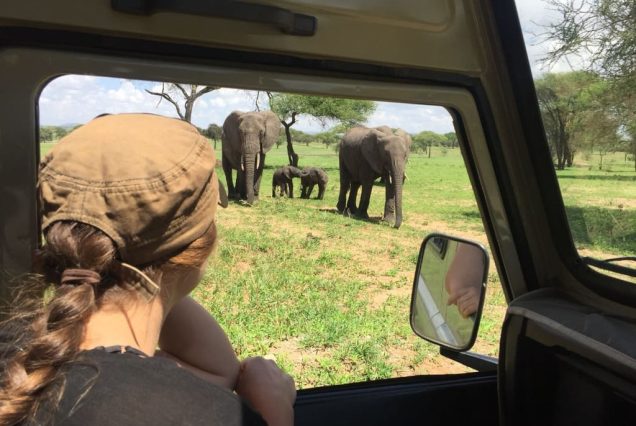
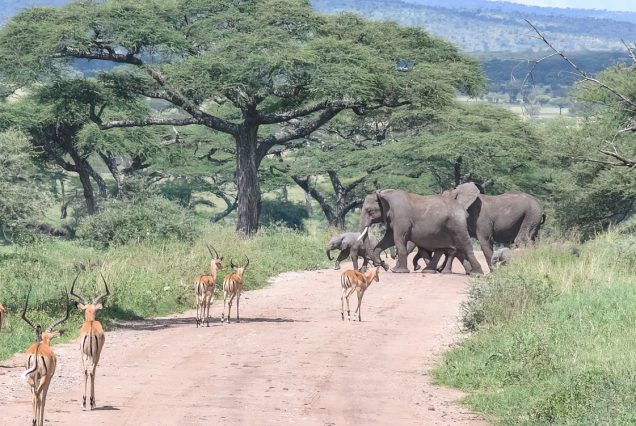
As water sources shrink, animals concentrate along rivers and at waterholes. Tarangire becomes increasingly rewarding through the dry months, with growing herds of elephants drawn to the Tarangire River. Vegetation thins out in most parks, so leopards and other secretive species are easier to pick out.
June is also generally a more comfortable time for walking safaris and visits to areas that can be muddy or hard to reach earlier in the year.
Tsetse flies and the western corridor
The western Serengeti has wooded areas where tsetse flies can be a nuisance. Their bites are painful rather than dangerous for most visitors, but they are attracted to dark blue and black. Wear khaki, beige or olive, and keep repellent handy. Our guides know which patches to move through quickly.
Booking and pricing in June
Many lodges move to high-season rates from June or July, and availability tightens as the month goes on. Early June can sometimes offer a little more flexibility. If the western corridor is a priority, book well ahead, since there are fewer camps there than in the central Serengeti.
June also suits a Kilimanjaro trek before or after your safari, as it falls in one of the main dry trekking windows.
If you are flexible, a trip split between late June in the central Serengeti and a few nights in the Ngorongoro highlands offers a lovely mix of open plains, misty forest and crater wildlife, all within a manageable driving distance of Arusha.
Frequently asked questions
Where is the Great Migration in June?
Usually in the central and western Serengeti, moving toward and around the Grumeti River area. Timing varies from year to year depending on rainfall.
Is June high season for safaris in Tanzania?
June marks the start of the dry high season. It is busy, but generally less crowded than July and August, and early June can offer better availability.
Is it cold on safari in June?
Days are usually warm and sunny, but early mornings and nights can be chilly, particularly at higher altitudes like the Ngorongoro Crater rim. Bring warm layers for game drives.