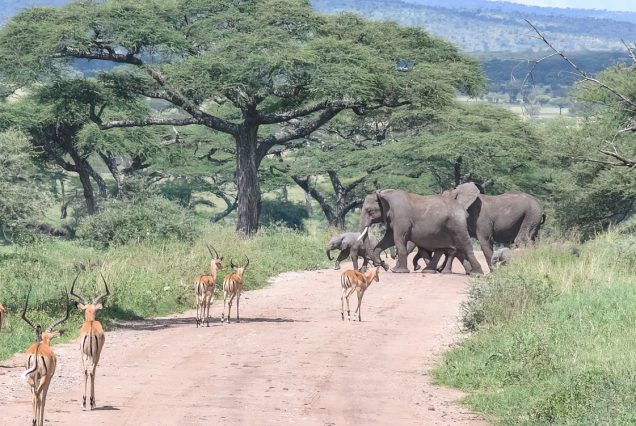
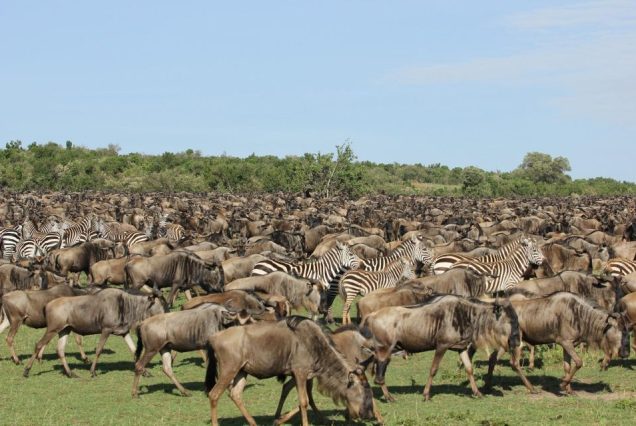
January puts the great wildebeest herds on the short-grass plains of the southern Serengeti, with green scenery, newborn animals and a welcome pause in the rains.
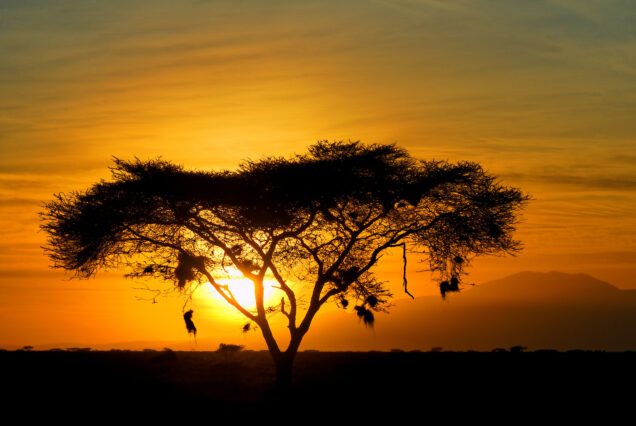
January is one of the most rewarding and least understood months for a Tanzania safari. The short rains of November and December have usually eased, the plains are green, and the vast wildebeest and zebra herds have drifted south onto the nutrient-rich grasslands of the southern Serengeti and the Ndutu area.
From our base in Arusha, we see January as the opening act of calving season. The first births start appearing, predators follow the herds closely, and the light after a passing shower is extraordinary for photography. Here is what to realistically expect.
Quick tips
- Aim for the second half of January if seeing newborn calves is a priority.
- Choose accommodation in or near Ndutu to stay close to the herds.
- Pack a light rain jacket and a warm fleece for early mornings at the crater rim.
- Bring a long lens or good binoculars, since predator action is often at a distance.
- Book seasonal camps early, as the best-placed ones fill quickly.
Where the herds are in January
By January the migration is usually spread across the southern Serengeti and the Ndutu area, which sits on the border of the Serengeti and the Ngorongoro Conservation Area. The short grasses here grow on volcanic soils and are rich in minerals, which is exactly why the herds come to give birth.
Calving typically builds through January and peaks around February, so a late-January trip often catches both scattered early births and huge concentrations of animals. Exact locations shift with local rainfall, which is why our guides keep in daily contact with other drivers and adjust routes as the herds move.
Weather: the short dry spell
Many travelers are surprised to learn that January is often fairly dry. It falls between the short rains (roughly November to December) and the long rains (roughly March to May), and while a brief afternoon storm is possible, rain rarely lasts all day.
Daytime temperatures on the plains are warm, while the Ngorongoro Crater rim, at over 2,000 meters, can be cool and misty at dawn and after dark. Pack layers rather than one heavy jacket.
Wildlife highlights beyond the wildebeest
With thousands of vulnerable calves on the ground, the southern plains attract lions, spotted hyenas and cheetahs, and dramatic hunts are more common than at many other times of year. The Ndutu woodlands and marshes are also good for smaller cats and resident wildlife.
January falls within the season when migratory birds from Europe and Asia are present, so birders can expect a long species list. Elsewhere, Tarangire is quieter than in the dry months because elephants disperse once water is plentiful, while Ngorongoro Crater offers reliable game year-round.
- Predator action around calving herds on the southern plains
- Excellent birding with migrant species present
- Green landscapes and dramatic skies for photography
- Ngorongoro Crater as a dependable year-round stop
Crowds, availability and booking
January is a popular month, particularly for camps in the Ndutu and southern Serengeti area, and seasonal mobile camps that move to follow the herds can fill well ahead of time. We recommend booking several months in advance if you have a specific camp in mind, especially for late January into February.
Rates vary by property. Some lodges treat January as high season while others offer shoulder pricing, so ask us to compare options rather than assuming the month is either cheap or expensive.
Planning a January itinerary
A classic January route combines Tarangire or Lake Manyara, two or three nights in the Ndutu or southern Serengeti area, and a full day in Ngorongoro Crater. Basing yourself near the herds cuts driving time and gives you more hours with the action.
January also pairs well with Zanzibar, which tends to be hot and fairly dry at this time of year. Remember that Zanzibar requires inbound travel insurance for visitors, so arrange it before you fly.
Frequently asked questions
Is January a good time to see the Great Migration in Tanzania?
Yes. The herds are usually on the southern Serengeti and Ndutu plains in January, and calving begins to build. Exact positions depend on rainfall, so flexible routing with an experienced guide helps.
Does it rain a lot in Tanzania in January?
January is usually a relatively dry window between the short and long rains. Short afternoon showers can happen, but full days of rain are uncommon.
Can I combine a January safari with Zanzibar?
Yes, and it is a popular combination. Zanzibar is typically warm and sunny in January; just remember the mandatory inbound travel insurance for visitors to the island.