Seronera is the heart of the Serengeti for good reason. The Seronera River keeps game close, and the surrounding plains and kopjes hold resident lions, leopards and cheetahs through the year. It is also the most accessible part of the park, with an airstrip and plenty of tracks. This guide explains what makes the area work, when it is busiest, and how to plan time there. Read on to see how the area works for first-time and returning visitors.
Why the centre is dependable
Because the river provides water into the dry months, wildlife stays in the area when other parts of the park are quiet. That makes Seronera a good choice if you want sightings without chasing the herds.
Leopards are often found resting in the trees along the river, and lions hunt across the grassland. Cheetahs prefer the open plains.
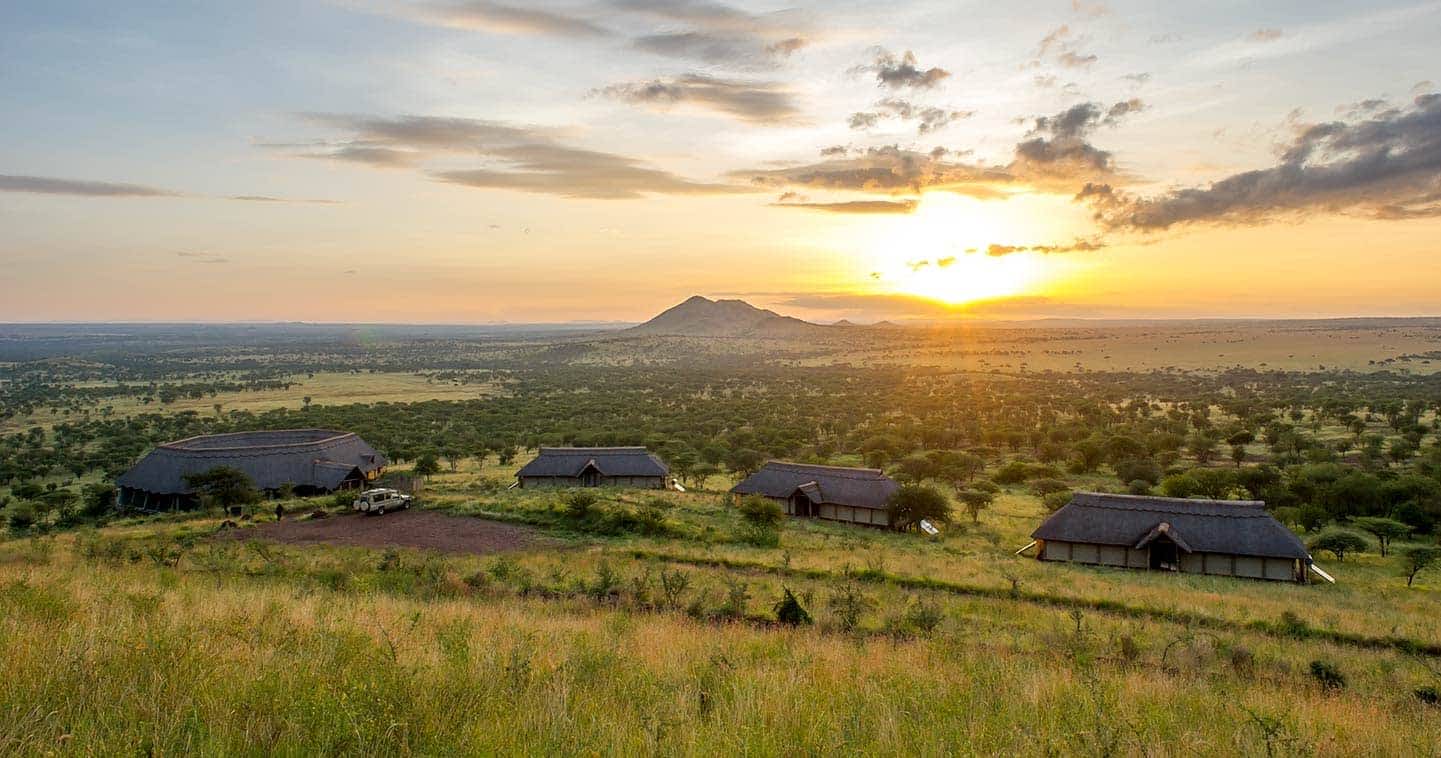
The area also suits travellers who prefer a settled base, since you can stay in one place and explore different tracks each day. Short transfers keep days relaxed, and you can add a balloon flight or a visit to a kopje for variety if time permits.
Landscapes you will cross
The central region mixes riverine woodland, open grassland and granite outcrops called kopjes. These rock islands act as lookouts for lions and shelter for hyraxes, birds and snakes.
Early morning and late afternoon are the best times, with soft light and active animals. Midday is often a break for lunch and rest.
- Riverine woodland for leopards
- Open plains for cheetahs
- Kopjes with lions and hyraxes
- Hippo pools along the river
When to go and what about crowds
Seronera can be busy because it is the easiest area to reach. Sightings of big cats may draw several vehicles at once. Going early and staying patient helps.
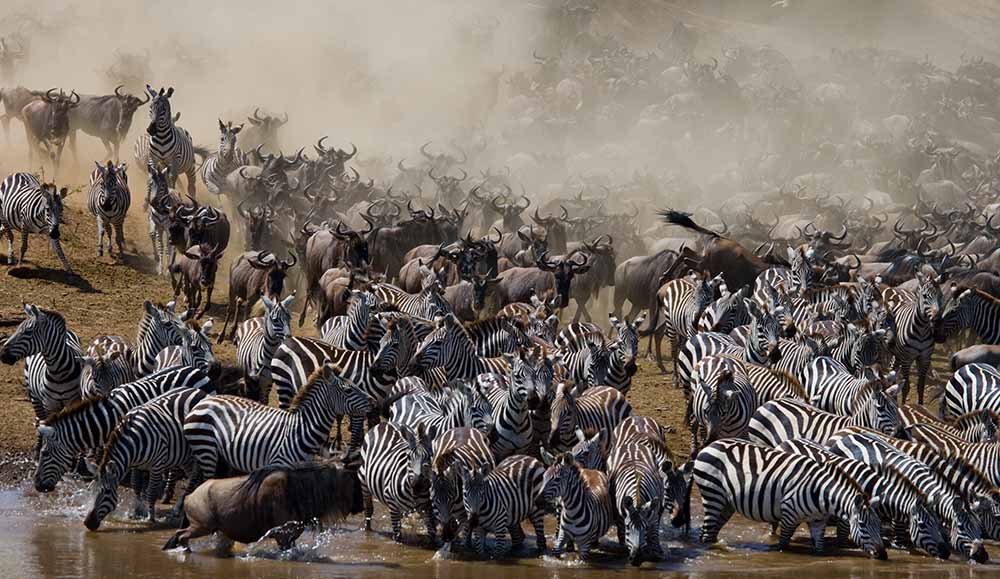
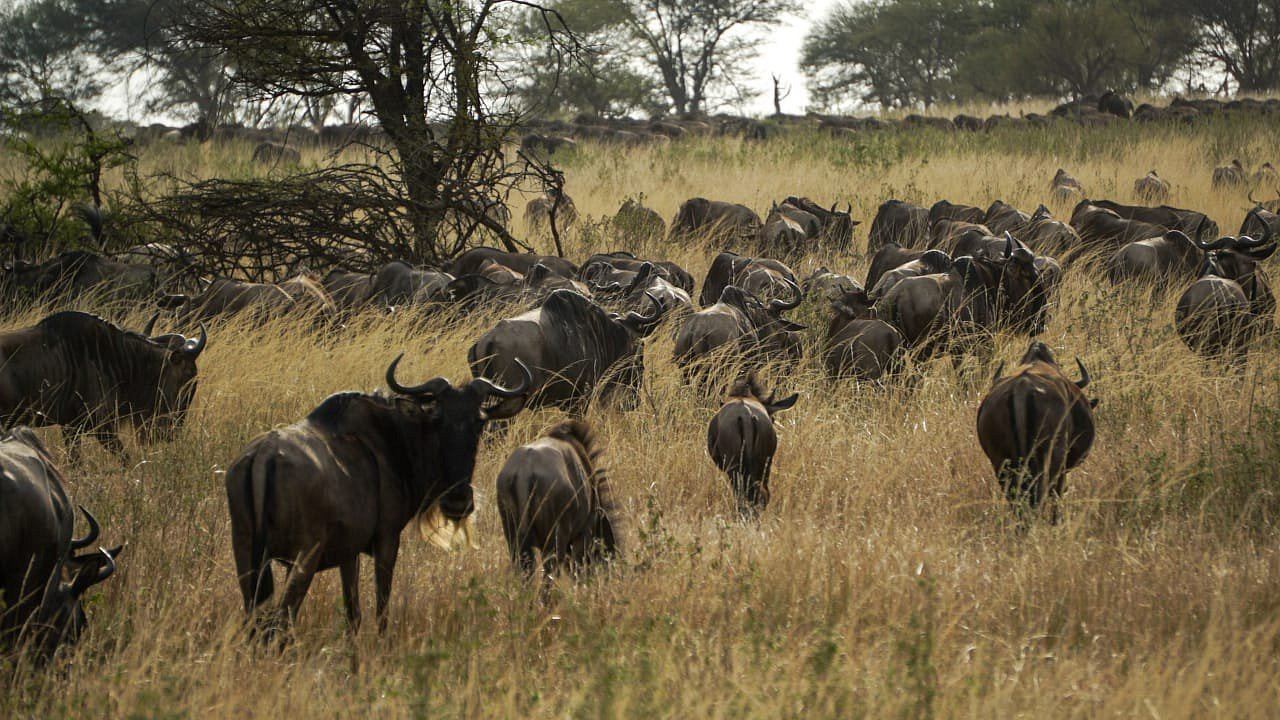
In some years the migration passes through the centre, but timing varies, so treat that as a possible bonus.
A typical day around Seronera
The day starts before sunrise with a drive along the river. By mid-morning you return for breakfast and rest, then head out again in the afternoon when the light improves and animals stir.
Some travellers prefer a full-day drive with a picnic lunch, which gives more time at long sightings. Your guide will tailor the routine to your group and the season.
Planning your stay
Two or three nights in the centre give you time to explore different tracks. Many travellers combine Seronera with the north or west for a fuller trip. You can drive from Arusha or fly into the area, depending on time.
We tailor every itinerary to your dates and budget. Ask us for a current quote, and we will explain the options.
Related pages on our site
Frequently asked questions
Is Seronera good for leopards?
It is among the better places in northern Tanzania to look for them, especially along the river. As always, sightings depend on luck and patient tracking. Your guide will choose tracks based on recent sightings.
How many days should I spend in central Serengeti?
Two or three nights suit most travellers, giving time for several drives along the river and across the plains. If you want to see more than the centre, add a second region such as the north or west.
Can I reach Seronera by air?
Yes, light aircraft serve the Seronera airstrip. Flights depend on schedules and weather, and baggage limits apply, so we explain details when planning. We confirm flights and times when we plan.
Is the centre crowded compared with the north?
It can be busier, because it is the easiest area to reach. Early starts and quiet tracks help, and the park is large enough that you can still find peace.