The Great Migration does not happen on a single date. Wildebeest and zebra move in a broad annual loop around the Serengeti ecosystem, following rain and fresh grass. Where the herds are depends on the year, so any timing is a guide rather than a promise. This page walks through the usual pattern, matches it to what you want to see, and explains how flexible planning improves your chances. Read on to match your dates to the scene you most want to see.
The annual cycle in outline
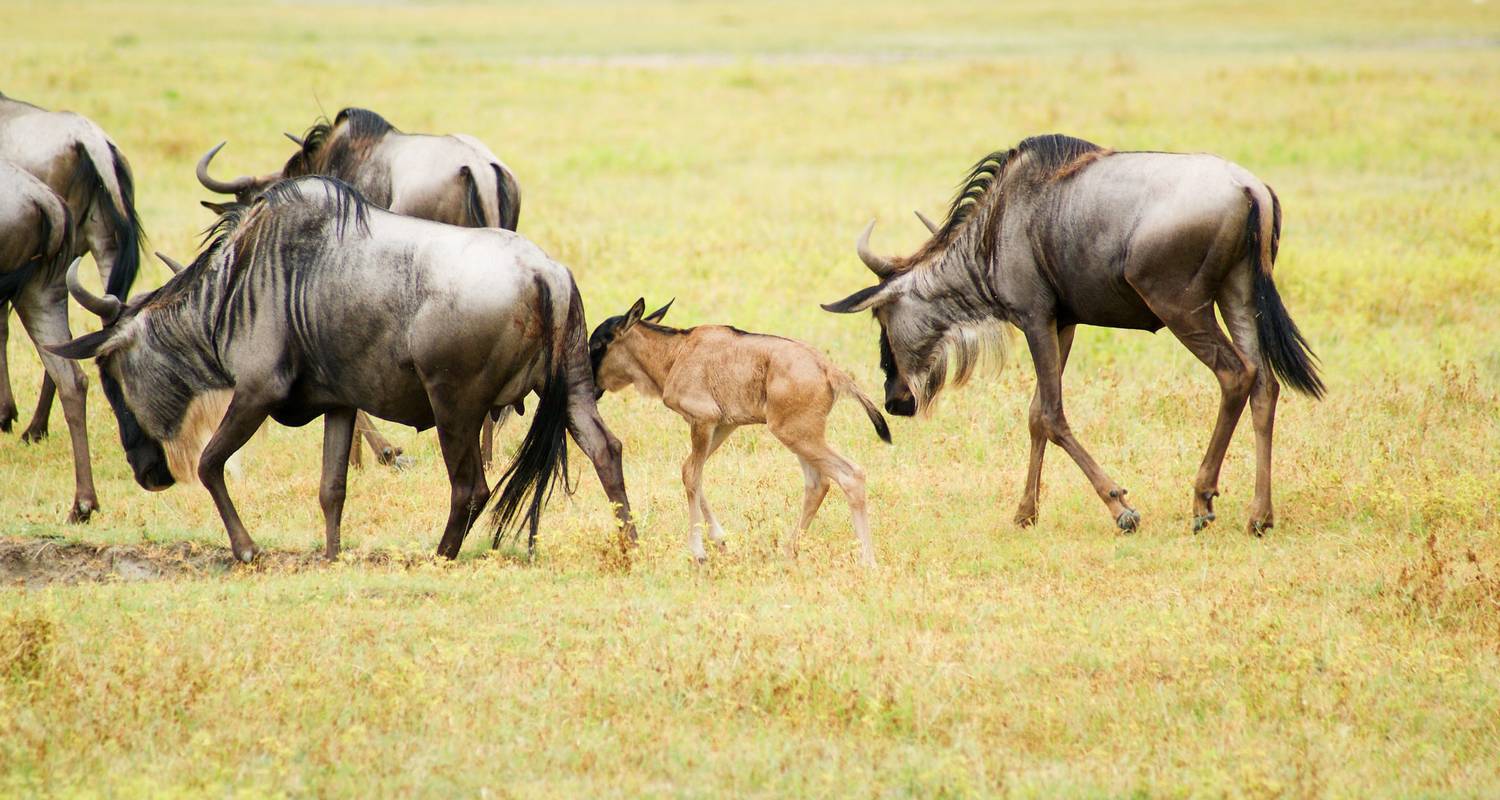
In most years the herds are in the south of the ecosystem around the Ndutu area from about December to March, where calving takes place on short grass plains. As the dry season approaches, they usually move north-west through the central and western parts.
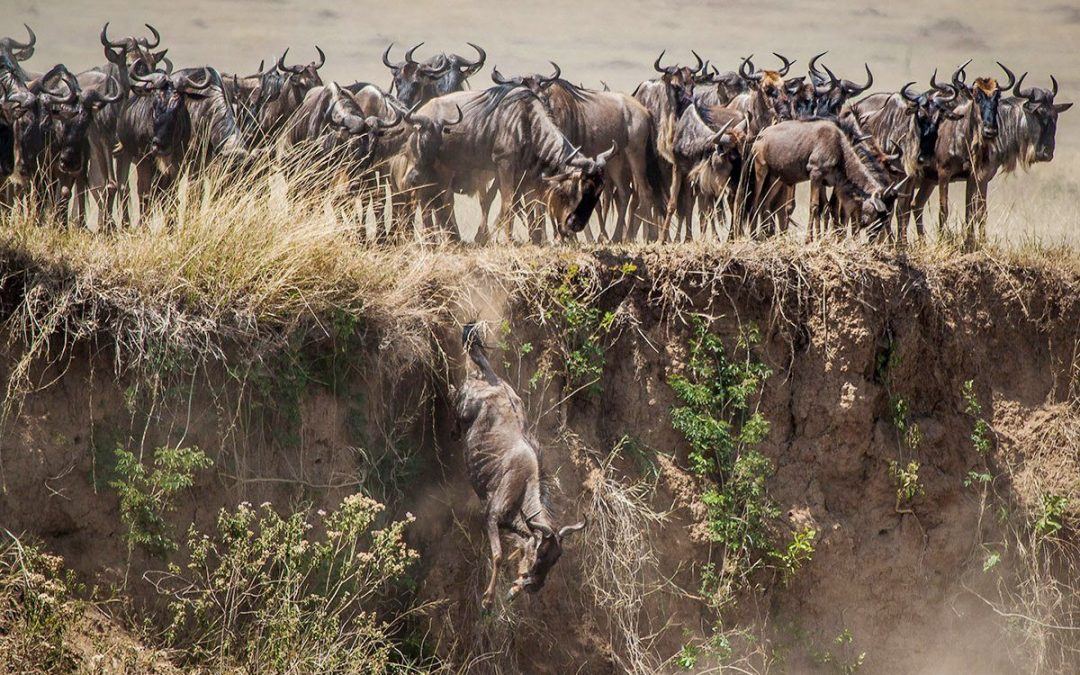
By mid-year many are heading toward the north, and from roughly July to October the Mara River region is often the focus. Around November the animals commonly start returning south.
Choosing by what you want to see
Different parts of the cycle offer different scenes. Newborn calves and the predators that follow them are a highlight early in the year. River crossings are a drama of mid-to-late year, and large herds on the move can appear at other times in between.
Rain affects everything, so a few weeks either way can change the picture.
- Calving season: usually January to March, in the south
- Western corridor: often May to July, rivers and long lines
- Northern Serengeti: often July to October, Mara crossings
- Return south: commonly November and December
Why you should stay flexible
Even experts cannot say precisely where the herds will be on a given day. A longer stay, with nights in more than one area, gives you better odds of being in the right place.
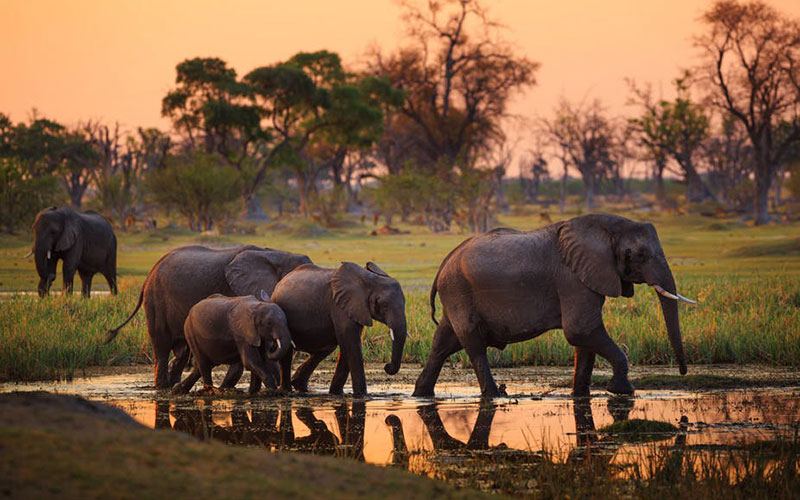
Resident wildlife is excellent all year, so a trip that misses a particular scene is never empty. Lions, elephants, giraffes and leopards remain in the park regardless.
Region-by-region summary
To make planning easier, think in regions rather than months. The south around Ndutu is the early-year focus, the central and western areas follow, and the far north takes the spotlight in the second half of the year.
Each region has its own atmosphere, accommodation options and travel logistics, and we can combine two of them in one trip to follow the herds.
- South: Ndutu plains, calving and predators
- Centre: Seronera and the Simiyu or Moru areas
- West: Grumeti River and long columns
- North: Kogatende and the Mara River
Booking with the migration in mind
Popular periods fill up, especially camps in the north. We suggest speaking to us early so we can tailor options to your dates and budget.
We do not publish fixed prices because costs vary by season and accommodation. Ask us for a current quote, and we will explain what each choice means for your itinerary.
Related pages on our site
- Wildebeest migration safaris
- Serengeti migration safaris
- Best time to visit Tanzania
- 8-day wildebeest migration safari
Frequently asked questions
What is the best month to see the Great Migration?
It depends on what you want. January to March suits calving, while July to October is common for river crossings. Herd positions vary, so be flexible. Rain patterns shift, so no operator can promise a date.
Is the migration visible all year?
The herds are in the ecosystem throughout the year, but they are not always in a single dramatic mass. Different regions have action in different months. Ask us which period suits your interests.
Can I see the migration on a short trip?
Possibly, but a short stay limits your chance of being near the herds. A trip of five days or more gives more room to adjust. Longer trips also let you see more of the park.
Should I book far ahead?
For popular months, yes. Camps in key areas are limited and fill quickly, especially in the north and south. Contact us as soon as your dates are firm so we can check availability and tailor a plan.